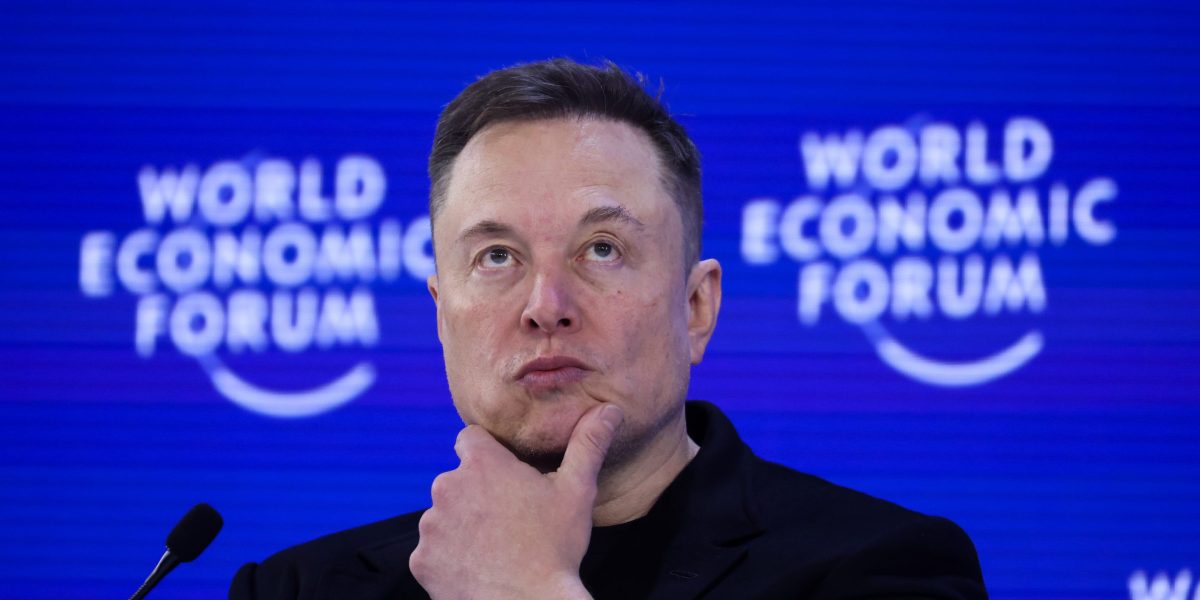
On the Moonshots with Peter Diamandis podcast in January 2026, Musk said people should stop saving for retirement because AI will surpass 'the intelligence of all humans combined' by 2030, humanoid robots will outnumber humans, and traditional jobs will disappear—making individual wages and savings irrelevant.
Musk envisions a post-work economy where AI and robots eliminate scarcity entirely: instead of a universal basic income, people will enjoy a 'universal you can have whatever you want income,' with access to any goods, services, or medical care without needing to earn money. Work becomes optional, like a hobby people choose rather than a survival necessity.
The prediction directly contradicts current American financial reality—only 55% of adults have emergency savings equal to three months of expenses (down from 59% in 2021), and fewer than half could cover a $2,000 emergency with savings, according to Federal Reserve data. For workers already behind on retirement, Musk's timeline offers no near-term guidance on how to bridge the gap until 2030-2040.
Ask the AI about this article →
For example, today's edition would include:
AI-summarized, only the topics you pick — one digest a day via Email, Slack, or Discord.
Free · takes 30 seconds · unsubscribe anytimeWhat is AIToday? →
Ask AI anything about this article. Q&As are published on this page for other readers too.
At Commercial UAV Expo in Las Vegas, FAA officials said routine BVLOS (beyond visual line of sight) drone oper…

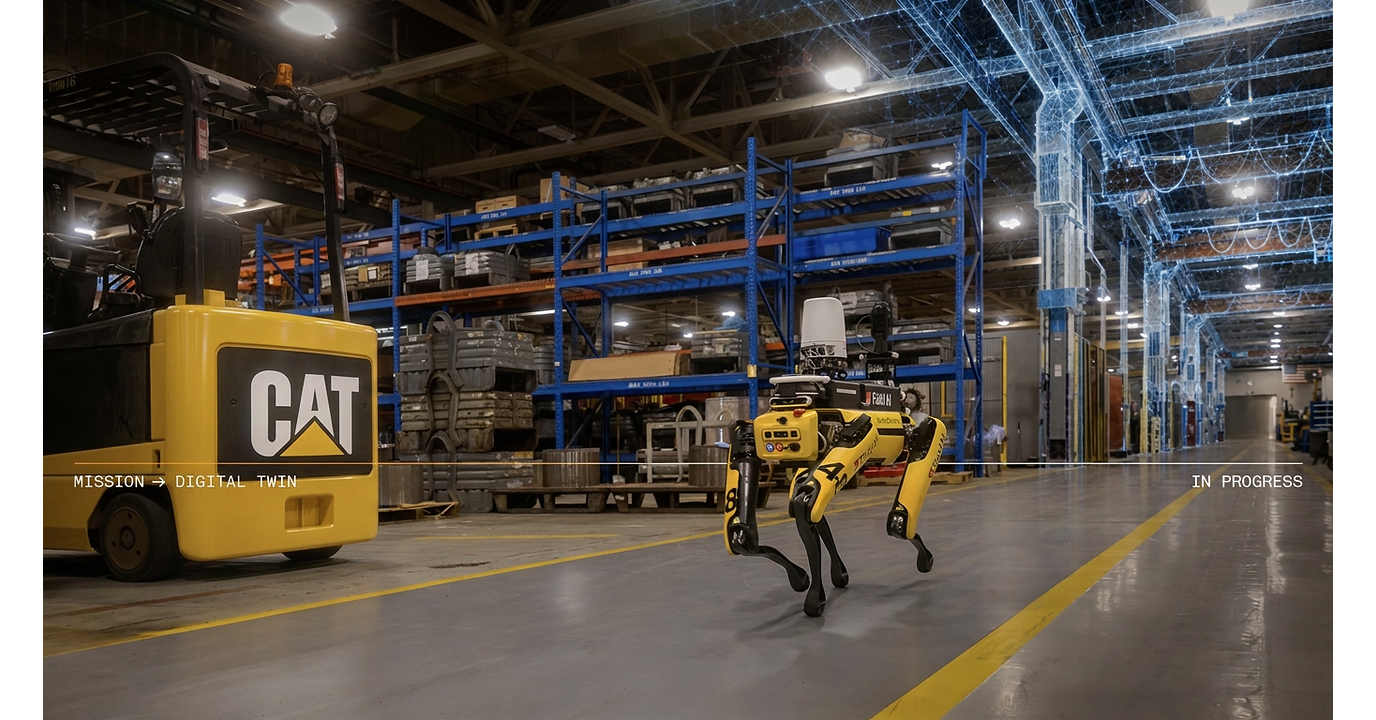
Caterpillar is collaborating with FieldAI to advance physical AI, autonomy, and robotics for jobsites and fact…
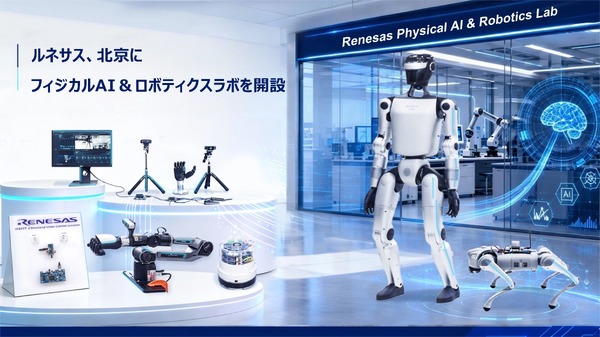
Renesas Electronics announced it has opened a Physical AI & Robotics Lab in Beijing, China
AWS Japan held the final presentation event for its “Physical AI Development Support Program by AWS Japan,” an…

Hitachi, Fujitsu, Mitsubishi Corporation, and Mitsui & Co

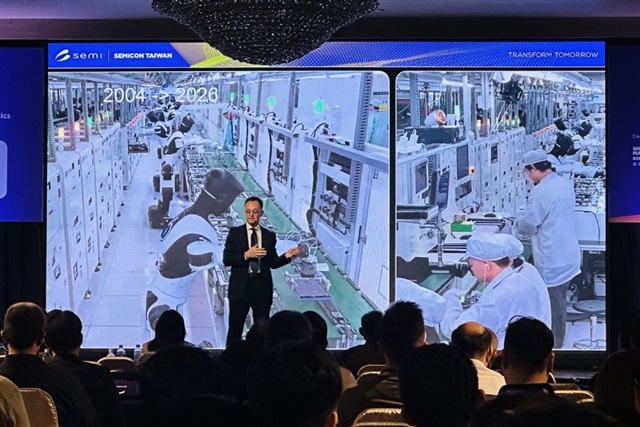
At SEMICON Taiwan 2026, industry experts said the rise of physical AI is creating new demand for advanced sens…