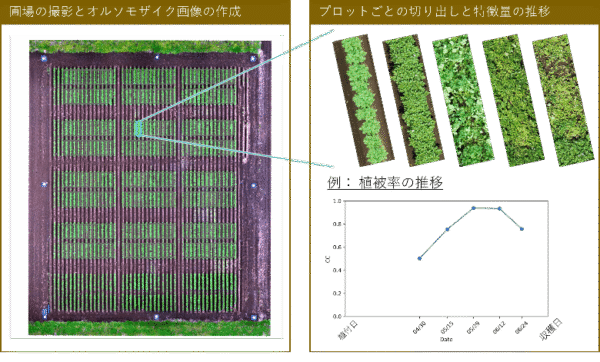
Researchers at the University of Tokyo and Kubota Corporation have developed a drone-based system that predicts underground potato yield before harvest by combining drone imagery, machine learning, and a mathematical growth model.
Field trials in 2023 and 2024 achieved high accuracy (0.8+ correlation for biomass, 0.7+ for yield), offering farmers a non-destructive alternative to traditional sampling methods and supporting better harvest timing decisions.
What happened
Researchers at the University of Tokyo and Kubota Corporation developed a drone-based system that estimates underground potato yield before harvest. The method combines drone photography (using RGB and multispectral cameras), machine learning trained on the relationship between plant features and actual biomass, and a Gompertz growth curve model. Two-year field trials in 2023 and 2024 achieved a correlation coefficient of 0.8 or higher for tuber biomass estimation and 0.7 or higher for yield prediction.
Why it matters
Traditionally, assessing potato yield during growing season has relied on destructive sampling (physically digging to measure). This non-destructive approach can capture spatial variation across a field and support pre-harvest yield forecasting and optimization of harvest timing—practical improvements for growers. The development reflects precision agriculture use cases that Tokyo-based Market Research Center forecasts will drive Japan's agriculture drone market to reach $357.8 million(約570億円) by 2034.
What to watch
The research team says the growth-curve approach is expected to support optimization of cultivation management, including suggesting optimal harvest timing. The work was carried out under the joint Kubota Todai Lab project.
Ask the AI about this article →
For example, today's edition would include:
AI-summarized, only the topics you pick — one digest a day via Email, Slack, or Discord.
Free · takes 30 seconds · unsubscribe anytimeWhat is AIToday? →
Ask AI anything about this article. Q&As are published on this page for other readers too.
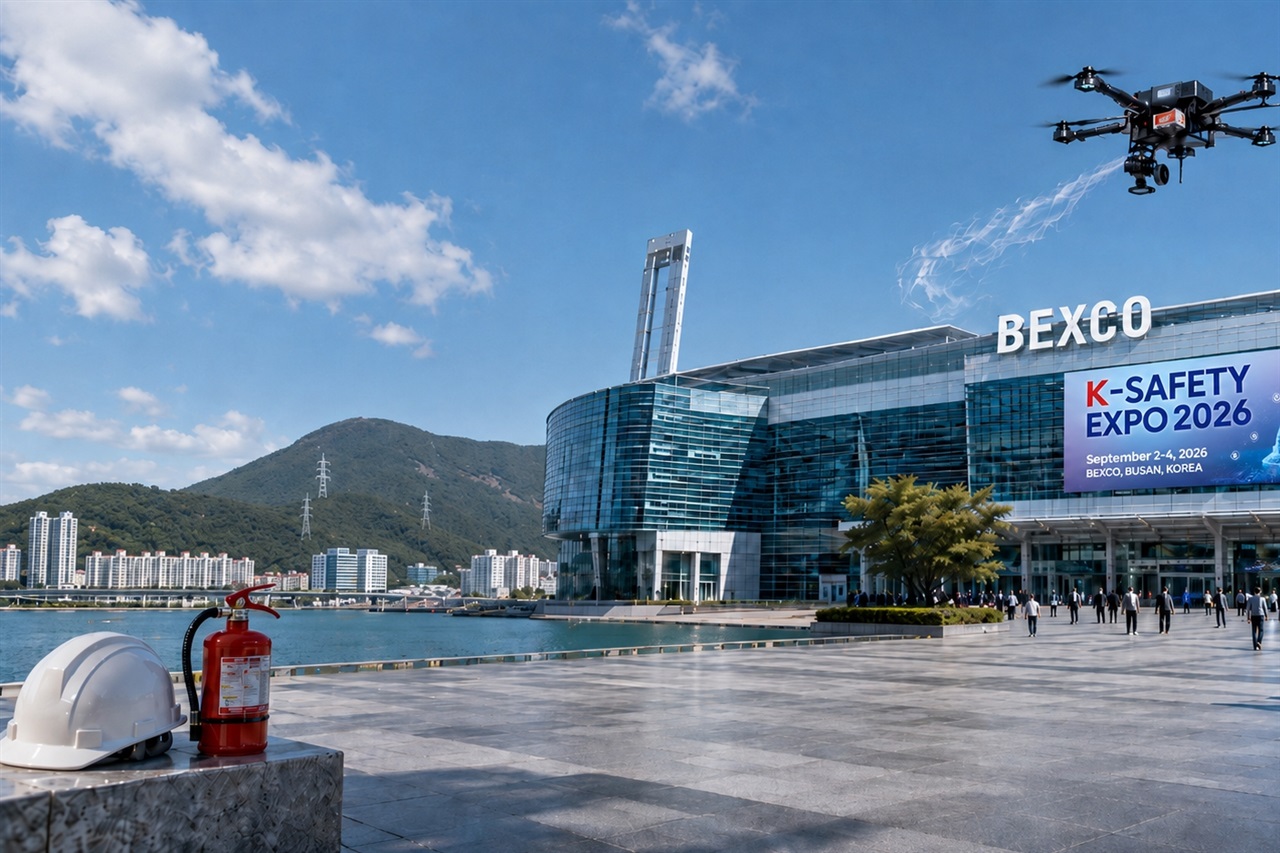
K-Safety Expo 2026 will be held at BEXCO in Busan from September 2–4, featuring AI, robots, sensors, and conne…
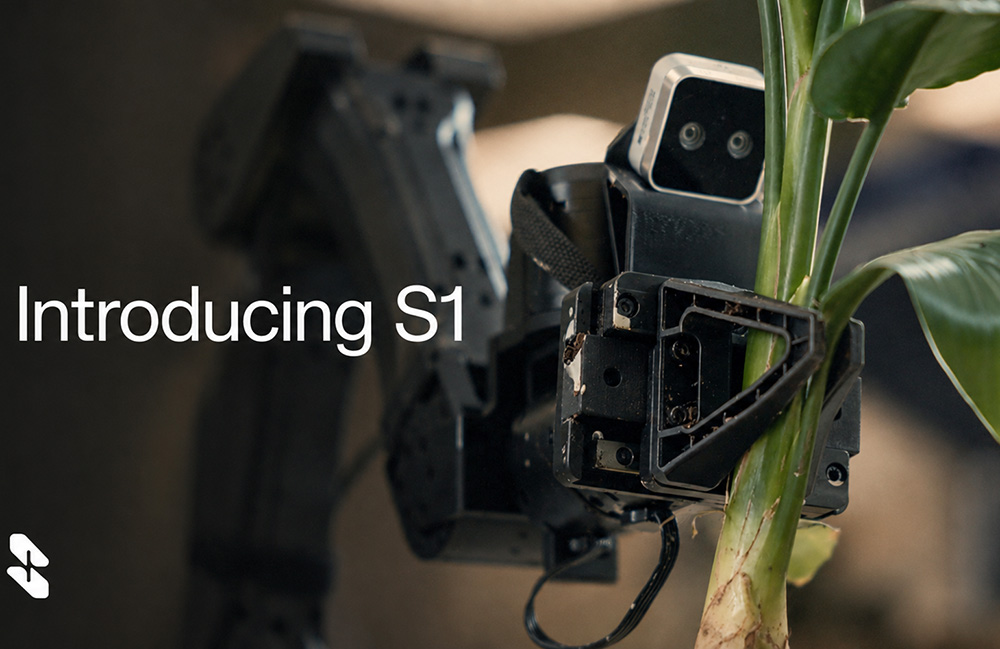
Skild AI has introduced S1, its flagship robot foundation model, which lets robots learn new, complex tasks by…
BHP, the world's largest mining company by market capitalization, has deployed AI across its operations
John Deere announced a three-year, $10 million research and development partnership with ag-tech company Reser…
On July 16, 2026, NVIDIA announced that 22 Japanese companies and organizations have expressed intent to join…
Panasonic HD has established a new AI and robotics research and development division, and CAIO Sakaba is leadi…