What happened
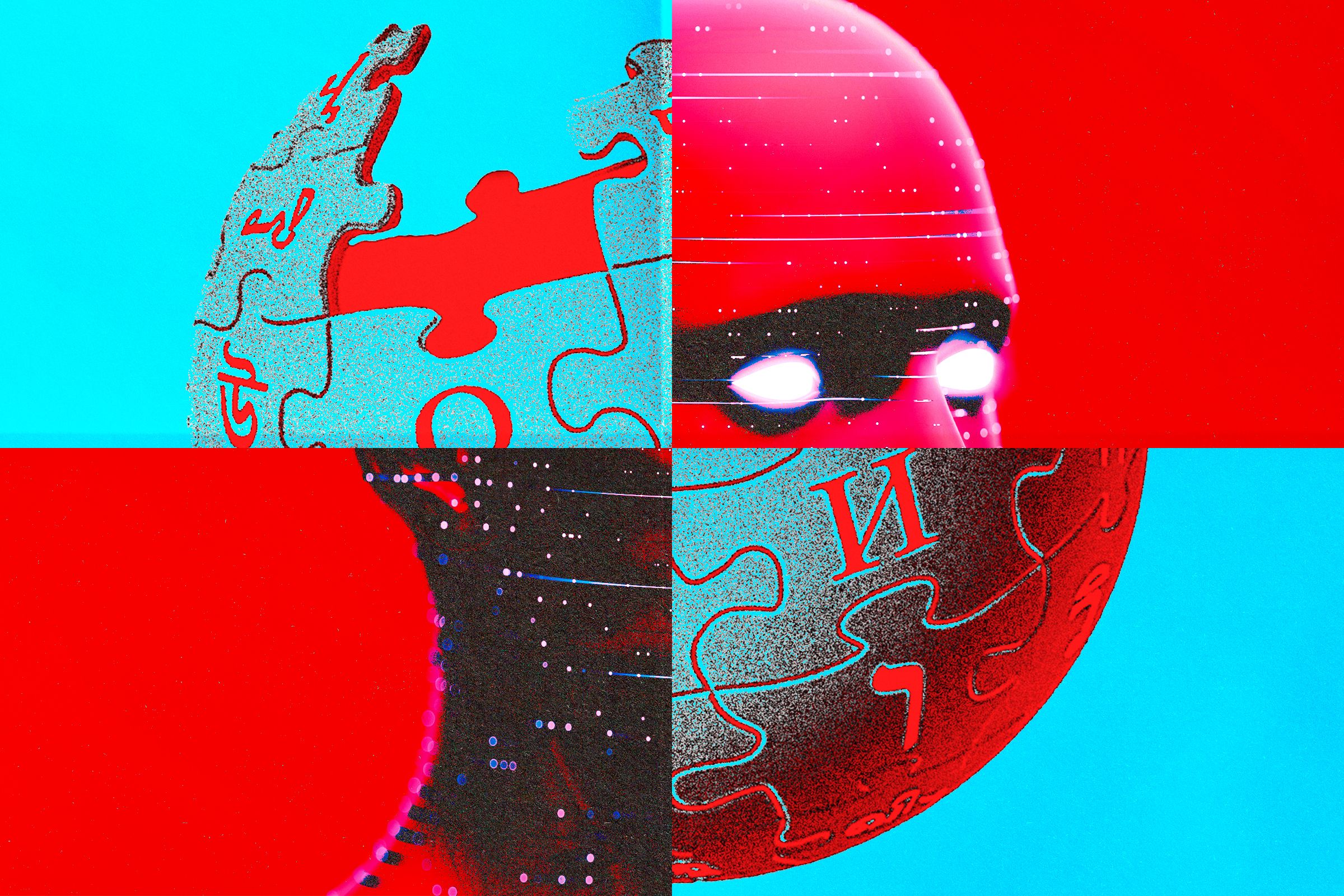
Long-time Wikipedian Christophe Henner published a "wake-up call" saying Wikipedia has lost almost a quarter of its readership since 2022 — over 1.1 billion visits per month — with AI summaries a likely destination for those readers.
Why it matters
Henner described AI as an existential risk to the encyclopedia, saying it could be remembered as a "historical artifact that AI once trained on."
Summaries like this, in your inbox every morning.
Wikipedia's troubles did not begin with AI. As far back as 2018, Google was training AI to write "Wikipedia-like articles," and by October 2024 a Princeton University study found that about 5 percent of nearly 3,000 newly created articles on English Wikipedia in a single month (August 2024) contained a substantial amount of AI-generated content. Wikipedians first tried to shape and control that output, but by March 2026 AI content was found to violate the project's core principles so often that writing with large language models was banned outright, with their role restricted to translation and minor proofreading.
The audience decline sits inside a broader shift that Henner argued AI alone cannot explain. Younger users don't search, they scroll; they don't read articles, they consume fragments. He called AI "an accelerant, not the fire" and pointed to a generational change in how people relate to knowledge itself. The stakes are structural: Wikipedia's model depends on readers becoming editors, and a shrinking, harder-working editor pool threatens the encyclopedia's ability to correct weak or inaccurate articles — a problem that matters more if AI systems trained on Wikipedia are themselves often wrong.
Wikipedia's own history offers a counterweight. In the decade between 2015 and 2025, Wikipedia was viewed 1.9 trillion times, an average of 508 million views per day. And its 25th-anniversary celebrations in January 2026 carried an elegiac note, covered by both Nature and WIRED, even as the numbers pointed to decline. Henner's warning that Wikipedia could become a "temple" maintained by a dwindling priest class of superannuated Wikipedians echoes the project's long-standing tension between scale and human care.
Pick your industry and the AI tools you use, and get news related to your work every day.
Free · 30 seconds with Google · unsubscribe anytimeWhat is AIToday? →
Ask AI anything about this article. The AI reads this article, earlier AIToday articles, and Wikipedia, and cites its sources. Q&As are published on this page for other readers too.
Satya Nadella spent a weekend post saying AI systems need emergency off switches — authorized humans who can s…

Fifth Wall CEO Brendan Wallace said proptech funding totals miss capital going to horizontal software like Hig…

Anthropic researchers William Zhou and Daniel Freeman tested four small models on 15 Android TV boxes costing…

On October 13, Ricoh Japan began offering a Dify Hosting Environment Operation Service for customers using the…

Causa Prima announced a $20 million seed round led by Base10 Partners to expand its agent-to-agent platform fo…

The explainer states that an LLM predicts one next token at a time, and that instead of recomputing past token…


