What happened
Crunchbase data shows sales, marketing and CRM startups raised $7.5 billion globally across 830 funding rounds so far in 2026, with most investment going to AI-related categories.
Why it matters
Investors are making far fewer bets on these startups than before and after the COVID-19 pandemic, so more money is landing in fewer companies, and the money is concentrating on AI-focused players.
What to watch
The outcome hinges on whether deal volume falls for a fourth consecutive year, as Crunchbase data suggests, and on the $9.3 billion pace line; a public-market exit is harder to come by, with Liftoff Mobile's June Nasdaq listing the sector's one notable IPO.
WHO IT HITSFounders and investors in sales, marketing and CRM software are the clearest audience, since the money is still flowing but into fewer, largely AI-focused companies. Larger software and payments companies buying specialized tools — as Zoom, HubSpot, Apollo.io, Pipedrive and Adobe have — are the likely buyers for the rest.
Summaries like this, every morning.
Investors are not chasing sales and marketing startups the way they did during the COVID-19 era. In 2021, funding in the sector totaled nearly $41 billion, and in 2022 it topped $27 billion — levels far above this year's $7.5 billion. But the pullback is not a retreat from the category itself. As the article puts it, businesses may be watching software budgets more closely, yet they are still spending on products that help them find customers and keep the ones they already have.
What has changed is where the money goes and how it gets out. Most sales, marketing and CRM investment is now going to companies in Crunchbase AI-related categories, and the largest checks went to companies whose products embed AI directly: AppsFlyer's marketing measurement tools now include AI agents, Parloa builds AI agents that handle customer conversations by phone and other channels, and Property Finder uses AI in home valuations and listing tools for real estate agents. The shape of the market also favors fewer, larger bets — deal volume is on track to fall for a fourth consecutive year, which explains how a smaller total can still produce headline rounds like Clay's $115 million Series D at a $7.1 billion valuation, more than double the $3.1 billion it reached in August 2025.
The exit picture is the open question. Acquisitions are far more common than IPOs, with buyers such as Zoom, HubSpot, Apollo.io, Pipedrive and Adobe absorbing specialized products, and in most cases the acquisition price was not disclosed. Whether the sector's funding pace holds near the $9.3 billion level of 2023 and 2024, and whether more companies can follow Liftoff Mobile to public markets, is likely to depend on how many of these startups convert AI features into durable revenue rather than on investor appetite alone.
Pick your industry and the AI tools you use, and get news related to your work every day.
Free · 30 seconds with Google · unsubscribe anytimeWhat is AIToday? →
Ask AI anything about this article. The AI reads this article, earlier AIToday articles, and Wikipedia, and cites its sources. Q&As are published on this page for other readers too.
Crux Labs launched with over $6 million in funding led by Benchstrength and Misneach, with Analog Ventures and…

Solink Corp. raised more than $100 million, led by Vertu Capital, with Goldman Sachs also investing; its platf…

Etsy said quarterly active buyers rose for the first time in two years, with revenue up 11% to $692.5 million…
In a Fortune essay, Collective[i] argues companies should treat AI models as swappable commodities and own the…
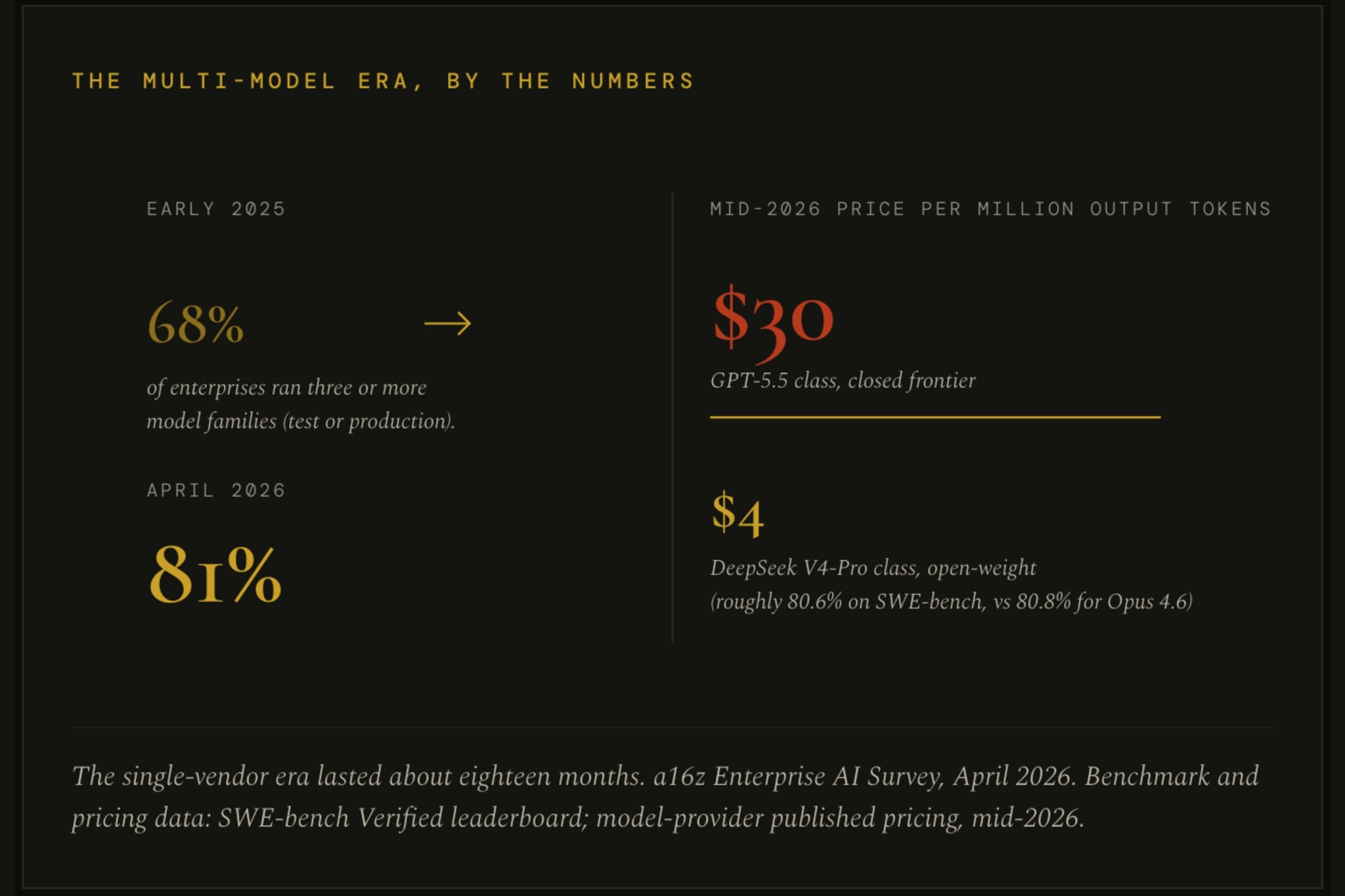
Nscale is asking US investors for a roughly $30 billion valuation on first-half 2026 revenue of $140.6 million…

Amazon added more than 100 new shopping-related capabilities to Alexa, including subscription and list managem…