What happened
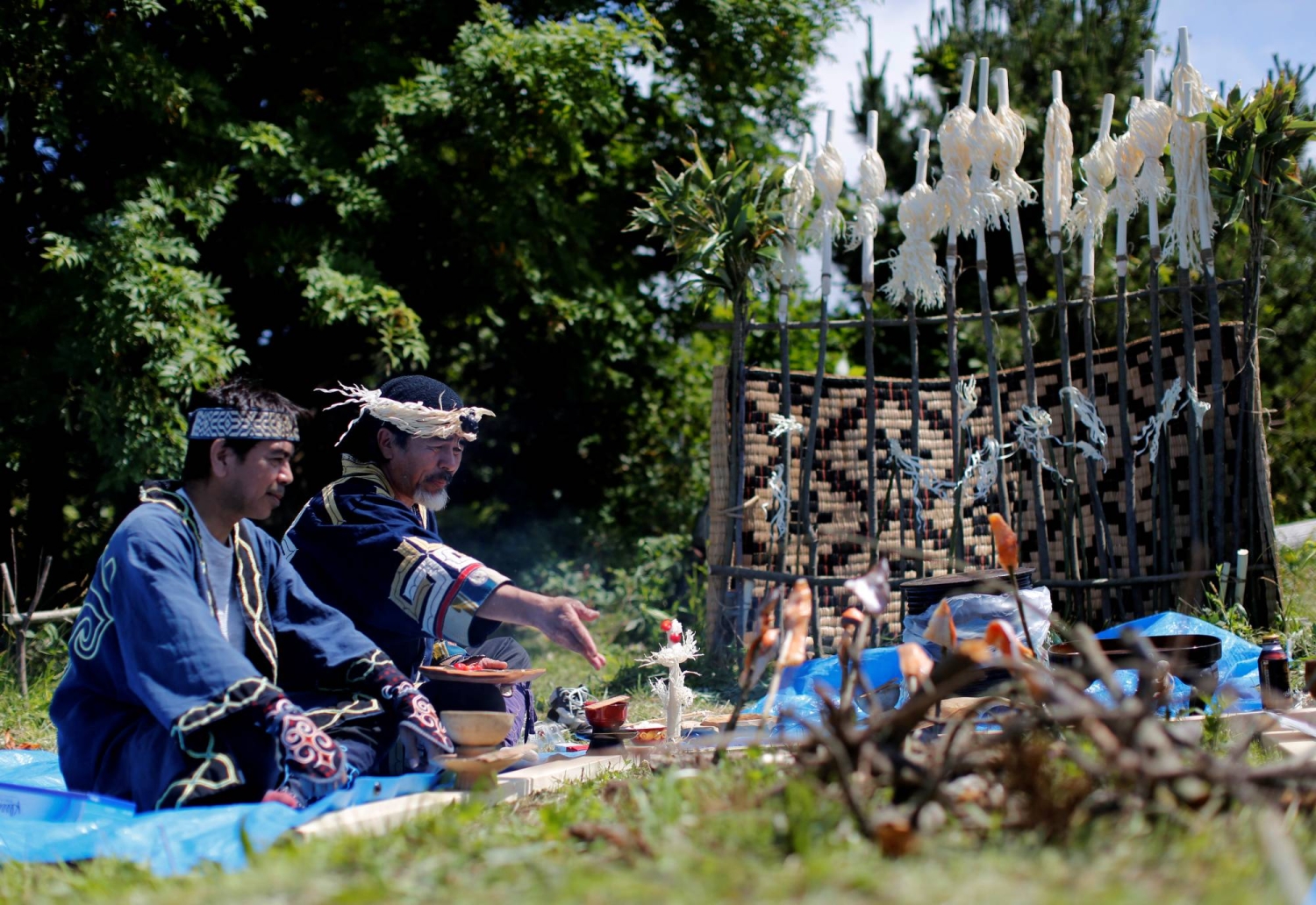
The Shibechari Ainu Tribe filed a lawsuit in May against the Japanese government at the Sapporo District Court, seeking the return of remains of 279 Ainu ancestors that were taken from graves by researchers between the late 19th and 20th centuries and are now held at a memorial facility at the National Ainu Museum and Park (Upopoy).
Why it matters
Although Japan's parliament unanimously passed a resolution in June 2008 calling on the government to recognize the Ainu as an Indigenous people, the lawsuit shows that securing Ainu rights and addressing historical wrongs remains an ongoing challenge nearly two decades later.
What to watch
The outcome of this case at the Sapporo District Court will signal whether the Japanese legal system will support Ainu communities' claims to their ancestors' remains and set a precedent for other potential disputes over repatriation and cultural recognition.
Summaries like this, in your inbox every morning.
The Shibechari Ainu Tribe's lawsuit represents a continuation of the Ainu's decades-long struggle for formal recognition and redress. While Japan's parliament issued a unanimous resolution in June 2008 acknowledging the Ainu as Indigenous, the practical implementation of Ainu rights has remained incomplete. The remains at Upopoy—taken by researchers over a span stretching from the late 19th into the 20th century—symbolize a broader pattern of historical appropriation of Ainu cultural and physical heritage. By filing this lawsuit nearly two decades after the 2008 resolution, the tribe is testing whether the Japanese legal system will translate parliamentary intent into concrete action on issues like repatriation and ancestral dignity.
Pick your industry and the AI tools you use, and get news related to your work every day.
Free · 30 seconds with Google · unsubscribe anytimeWhat is AIToday? →
Ask AI anything about this article. The AI reads this article, earlier AIToday articles, and Wikipedia, and cites its sources. Q&As are published on this page for other readers too.

