What happened
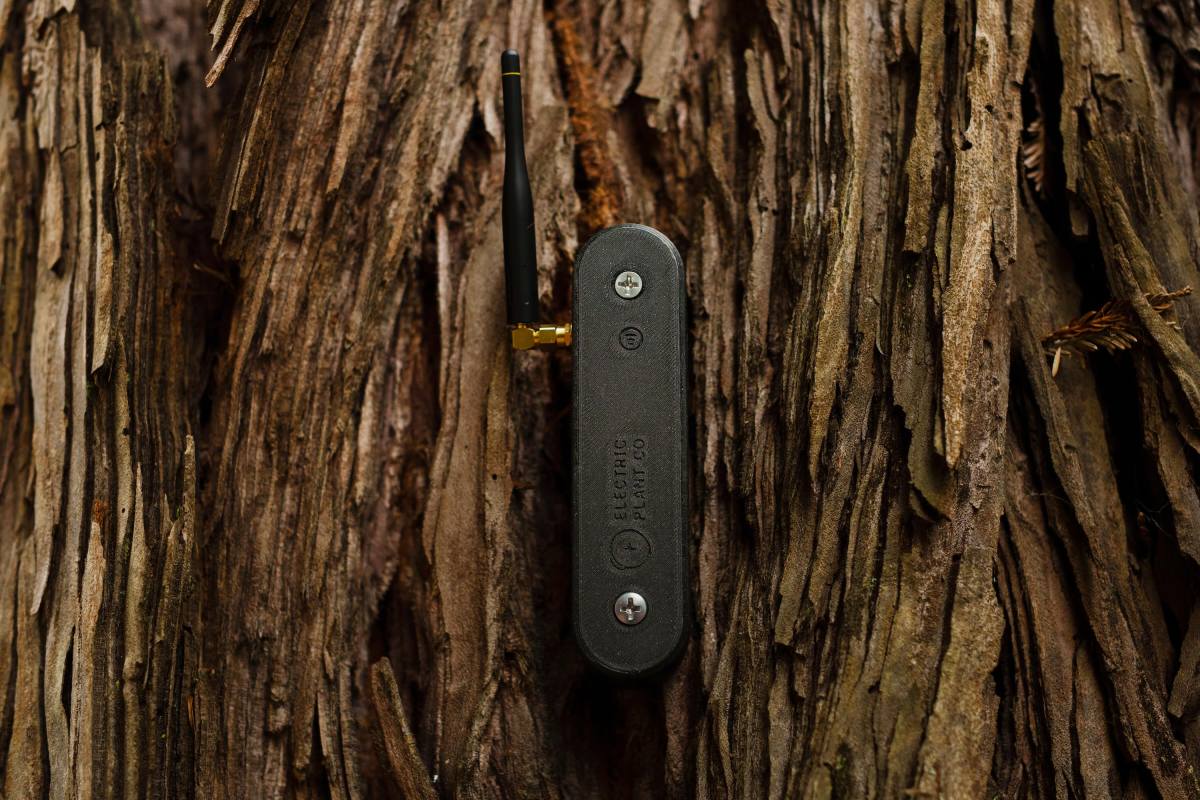
Electric Plant raised an $11.2 million seed round led by Onto Ventures and Climactic. Its Bombadil model interprets electrical signals in about 125 different species, from ferns and redwoods to tomatoes and dahlias.
Why it matters
Mast says the model could one day lead to a tool that would let people "speak" to plants, and he claims its sensors are cheaper than existing tools that generally cost thousands of dollars.
WHO IT HITSGrowers, farmers, and foresters who currently rely on soil probes, handheld spectroscopes, and satellite imagery may gain a cheaper, more direct way to read plant needs; Mast claims the system can boost yields while reducing water use by 20% or more.
Summaries like this, in your inbox every morning.
Electric Plant's origin traces to a cyborg plant: Justin Mast came across research about a houseplant wired to a motorized stand that wheeled itself toward light when electrical signals flowed through its tissues. That led him to partner with Lee von Kraus, a neuroscientist who has worked with DARPA, and the two have spent the past three years collecting data to build Bombadil.
The startup positions its approach against tools like soil probes, handheld spectroscopes, and satellite imagery, which Mast described as sophisticated but lagging behind the real-time needs of the plant. Electric Plant used those devices to train Bombadil, and Mast said he expects the model to surpass a lot of that equipment. The sensors are also significantly cheaper than existing tools, which generally cost thousands of dollars — "This is tens of dollars," Mast said.
Mast claims the system can boost yields while reducing water use by 20% or more, and he describes Bombadil as "the most diverse model ever created on biological electrical signals." The company's initial customers remain undisclosed, though the applications Mast points to are in agriculture and forestry.
Pick your industry and the AI tools you use, and get news related to your work every day.
Free · 30 seconds with Google · unsubscribe anytimeWhat is AIToday? →
Ask AI anything about this article. The AI reads this article, earlier AIToday articles, and Wikipedia, and cites its sources. Q&As are published on this page for other readers too.
ASI Inc., formerly Air Space Intelligence, raised a $325 million Series C led by Spark Capital, valuing it at…

Google released TorchTPU, a version of the PyTorch framework that lets developers run existing AI apps and mod…

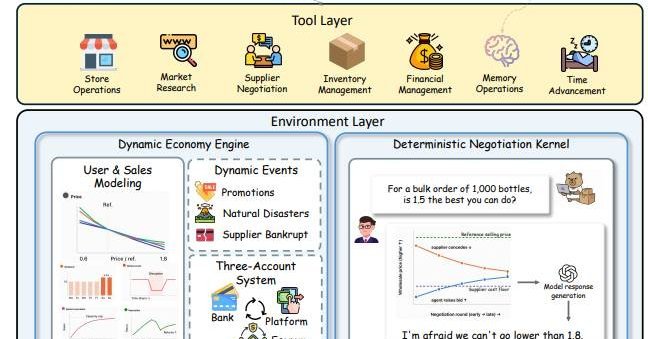
In a benchmark called E-Commerce Bench, 18 AI models ran up to four simulated shops for 365 days, using 18 too…
ITmedia's AI Plus released a 14-page booklet on using Gemini Notebook's (formerly NotebookLM) Studio feature…

Axon stock is down 54% from its 2025 peak and 30% year-to-date, even as the iShares Expanded Tech-Software Sec…

Dell CFO David Kennedy told theCUBE that CFOs are adding a dedicated line item for token spend and tracking it…