What happened
Bristol Myers Squibb announced a strategic collaboration with Chai Discovery, a 2024-founded AI company, to integrate Chai's molecular folding and de novo design models into BMS's drug discovery process for therapeutic antibodies.
Why it matters
Instead of relying on traditional lab-based screening that can take 12 to 24 months, Chai's platform uses AI to design antibodies from scratch in weeks, potentially unlocking discovery of difficult-to-target disease mechanisms. This represents a shift in the biopharma industry toward AI-driven discovery; Chai has also partnered with Eli Lilly, Pfizer, and Novartis.
What to watch
The integration will create a continuously learning discovery system within BMS's portfolio. Chai was founded in 2024 by Joshua Meier (CEO), Jack Dent (President), Matthew McPartlon (CTO), and Jacques Boitreaud, drawing talent from OpenAI, Meta FAIR, Stripe, and Absci.
Summaries like this, in your inbox every morning.
Bristol Myers Squibb's partnership with Chai Discovery represents a broader industry pivot toward AI-driven drug discovery. Traditionally, antibody development has been constrained by the wet-lab bottleneck: identifying viable candidates against complex or difficult-to-target antigens required months or years of iterative screening. Targets that are conformationally flexible, embedded in cell membranes multiple times, or historically "undruggable" posed particular challenges for conventional hybridoma and display library approaches.
Chai's platform reframes this challenge as a computational problem. By deploying generative models that predict molecular folding and biochemical function, the system can design antibody sequences and structures from scratch to meet defined biophysical constraints—compressing the early-stage pipeline from months into weeks. For BMS, this integration into a continuously learning discovery system potentially unlocks access to high-value targets that standard methods cannot address. Chai's existing partnerships with Eli Lilly, Pfizer, and Novartis suggest the company's approach has gained credibility across the sector; the BMS deal signals this model is becoming foundational rather than experimental.
Pick your industry and the AI tools you use, and get news related to your work every day.
Free · 30 seconds with Google · unsubscribe anytimeWhat is AIToday? →
Ask AI anything about this article. The AI reads this article, earlier AIToday articles, and Wikipedia, and cites its sources. Q&As are published on this page for other readers too.
Chunghwa Telecom president Rong-shy Lin said the shift from conversational AI to autonomous AI agents is resha…
CoreWeave fell 5% in premarket trading Friday and was on track to finish the week down 15%, after rebounding f…
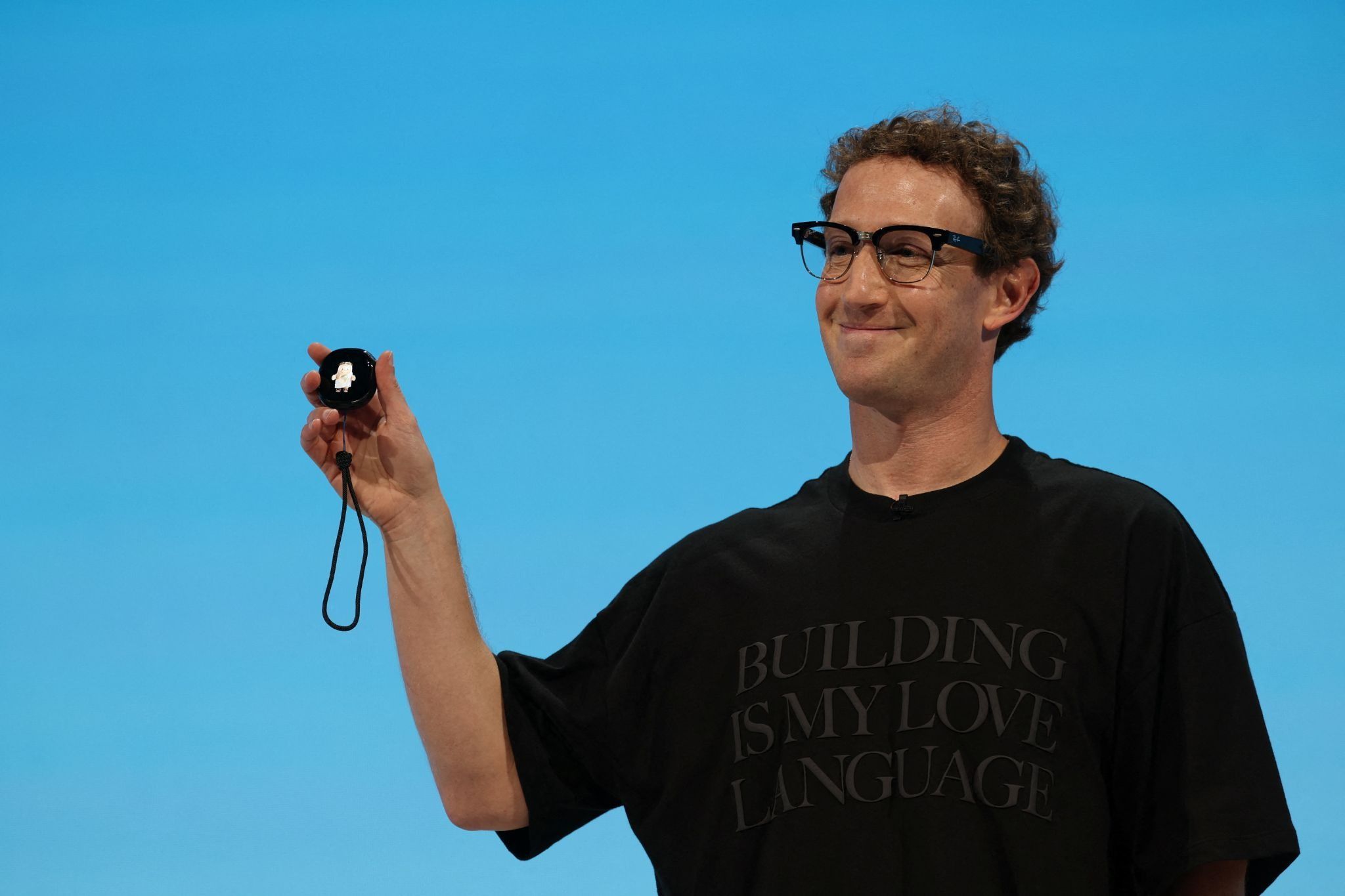
Apple and Meta said they would jointly release a new open-weight AI model designed to run on high-end Macs, ai…
Investors put $38.5 billion into Asian startups in Q3, per Crunchbase data

A longtime Anthropic investor told Fortune he expects shares priced around $1.8 trillion, below the company's…
In Q2, billionaires or their funds sold six 'Magnificent Seven' AI stocks