What happened
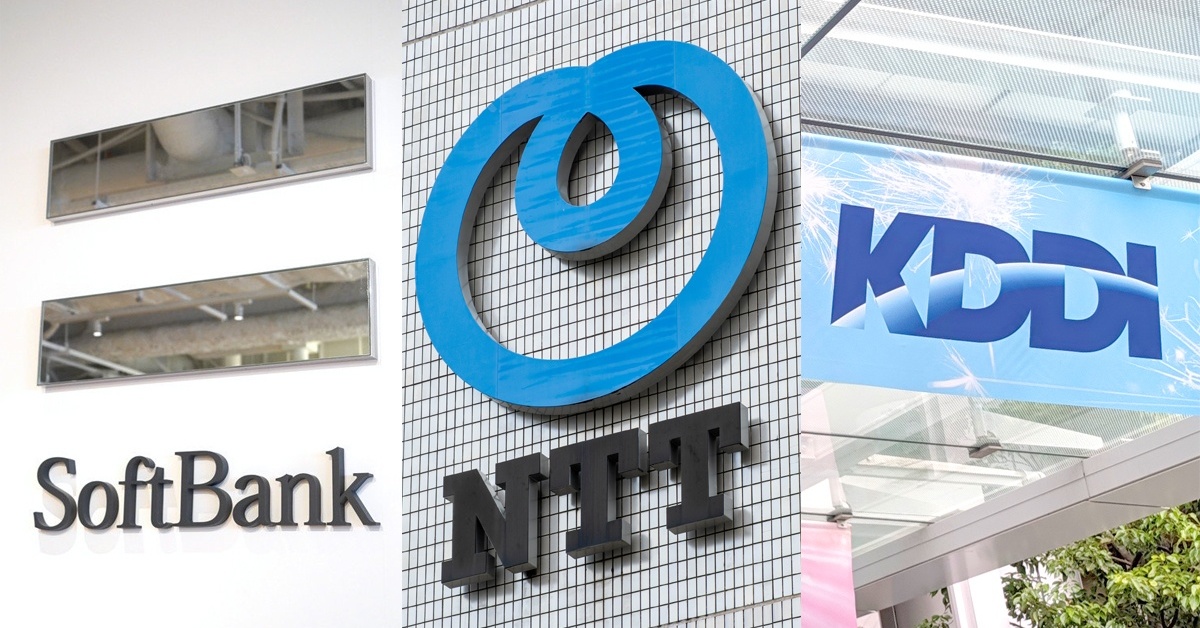
KDDI announced on Oct 27 the launch of ELYZA Robotics, aiming to deploy 1,000+ robots by fiscal 2030. SoftBank and NTT had already announced tie-ups with Yaskawa Electric and Mujin in December 2025.
Why it matters
Physical AI robots rely on off-board computing and low-latency networks, so more robots running longer should lift telecom carriers' compute and connectivity usage fees, the body argues.
WHO IT HITSJapan's telecom carriers stand to gain recurring fees from compute and network usage as factories and stores deploy physical AI robots, per the body. Robotics vendors like Yaskawa Electric and Mujin become the hardware-and-control partners in these tie-ups.
Summaries like this, every morning.
Japan's three major telecom carriers arrived at physical AI through different routes. SoftBank's December 2025 partnership with Yaskawa Electric splits the work: SoftBank develops the MEC (multi-access edge computing) environment near base stations and the AI that assigns tasks, while Yaskawa handles the robots and the AI turning instructions into motion. NTT, in the same month, said it would invest in Mujin alongside NTT Docomo Business; it has also demonstrated remote plant inspection using robots over its IOWN optical network across roughly 700 kilometers between Okayama and Tokyo. KDDI, for its part, plans to combine its nationwide low-latency network with its "Digital Belt" computing infrastructure.
The common thread is that physical AI moves heavy computation off the robot. Cameras send footage to computers near data centers or base stations, and AI returns instructions, a round trip that needs stable, low-latency connectivity. Each robot therefore consumes communications and computing resources continuously, which is where the carriers' revenue comes in.
KDDI's stated target is to deploy 1,000 or more robots in the field by fiscal 2030. Whether the three carriers' bets pay off likely depends on how widely physical AI robots are actually adopted in factories and stores.
Pick your industry and the AI tools you use, and get news related to your work every day.
Free · 30 seconds with Google · unsubscribe anytimeWhat is AIToday? →
Ask AI anything about this article. The AI reads this article, earlier AIToday articles, and Wikipedia, and cites its sources. Q&As are published on this page for other readers too.
Salesforce AI Research released SFR-AutoR&D, agents that form hypotheses, run controlled experiments and keep…

Interactive Brokers launched IBKR Autonomous Trading, which lets eligible clients connect AI platforms to a ri…
Corning signed multiple long-term, multibillion-dollar optical agreements with carriers including Verizon and…
A Seeking Alpha analyst published a piece calling NextEra Energy (NEE) a forgotten AI winner following a Democ…
Upgraded Points published a walkthrough for redeeming the up-to-$300 ChatGPT Business credit available on Amex…

Honeywell Technologies unveiled AI-powered building intelligence, fire and life safety and security upgrades t…