What happened
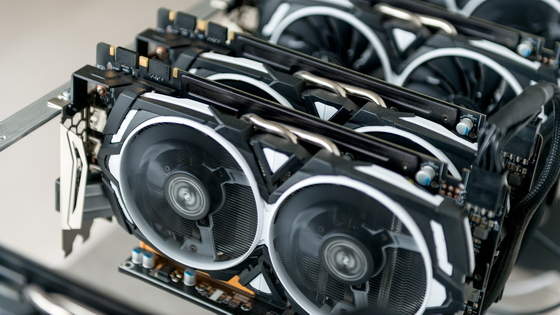
The U.S. Justice Department says Hao Global and its executive pleaded guilty in October 2025 to smuggling, after trying to export or actually exporting at least $160 million worth of NVIDIA H100 and H200 GPUs. The same investigation also looked at relabeling GPUs with fake company names and declaring them as ordinary computer parts.
Why it matters
The case shows the export restrictions in place since 2022 are not airtight, since the pleaded guilty parties used fake buyer details and altered labels to hide where the hardware was going.
What to watch
The full effect of the rules hinges on whether the Bureau of Industry and Security fixes the staffing and information-sharing gaps the Government Accountability Office flagged in June 2025. Watch whether BIS moves ahead with the case-by-case review policy for H200 exports it announced in January 2026.
WHO IT HITSU.S. trade compliance and export-control staff at chipmakers, logistics firms, and cloud providers now face closer scrutiny of who actually ends up using the GPUs they ship, not just what the paperwork says.
Summaries like this, in your inbox every morning.
Washington has tightened controls on advanced chips for China since 2022, yet the Hao Global case shows the paperwork trail can be faked at several points. Prosecutors say the parties relabeled GPUs with fictitious company names and declared them as ordinary computer parts, which makes detecting the real end user difficult once goods leave the port.
The article also points to a path that is not smuggling: renting GPUs in overseas data centers through the cloud, so the hardware never physically enters China. That is not automatically illegal, but it means export checks on the shipping address alone cannot capture who is actually using the capacity.
Enforcement capacity is the open question. The GAO's June 2025 findings on BIS staffing and inter-agency information sharing suggest the bottleneck may be investigation and post-shipment tracking rather than the rules themselves. Whether the January 2026 case-by-case review of H200 exports changes the picture likely depends on whether that review can verify buyers and final use in practice.
Pick your industry and the AI tools you use, and get news related to your work every day.
Free · 30 seconds with Google · unsubscribe anytimeWhat is AIToday? →
Ask AI anything about this article. The AI reads this article, earlier AIToday articles, and Wikipedia, and cites its sources. Q&As are published on this page for other readers too.
NetApp and Iterate.ai are packaging the AIPod Mini with Iterate's Generate platform and an embedded LLM, so en…
DIGITIMES estimates global AI server shipments will exceed 2.5 million units in 2026, including 2.37 million h…
Google Cloud revenue grew 82% to $24.77B on Alphabet's TPU-powered stack, while NVIDIA's revenue rose 105.8% a…

European AI-focused startups raised $23 billion in the first half of 2026, up 130% year over year and 55% of t…

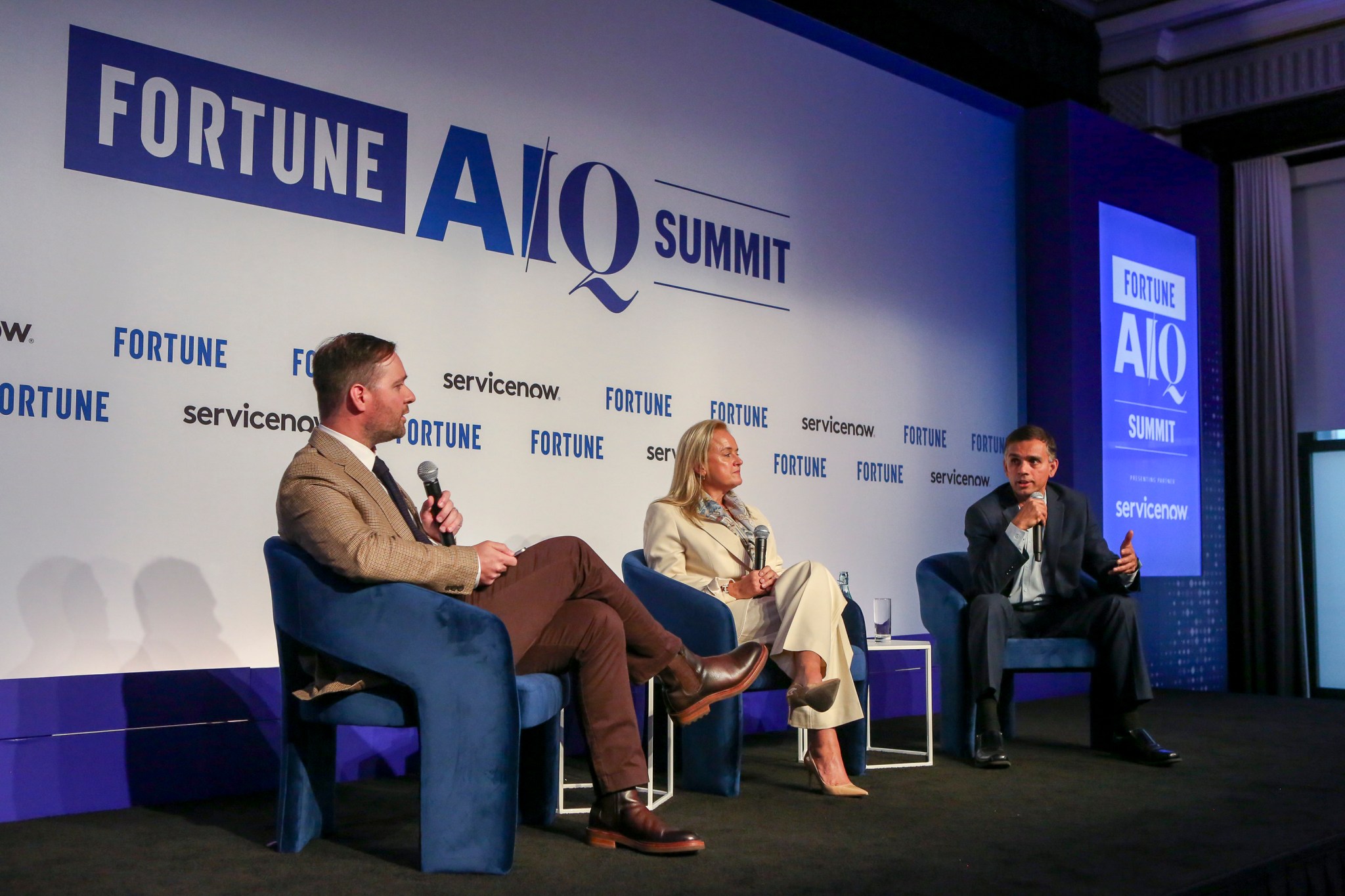
At Fortune's AIQ Summit, Bank of America's Hari Gopalkrishnan said the bank evaluates AI across 16 risk dimens…
A Fortune commentary argues AI is collapsing the cost of fake identities, while a 2025 BIS test found quantum-…