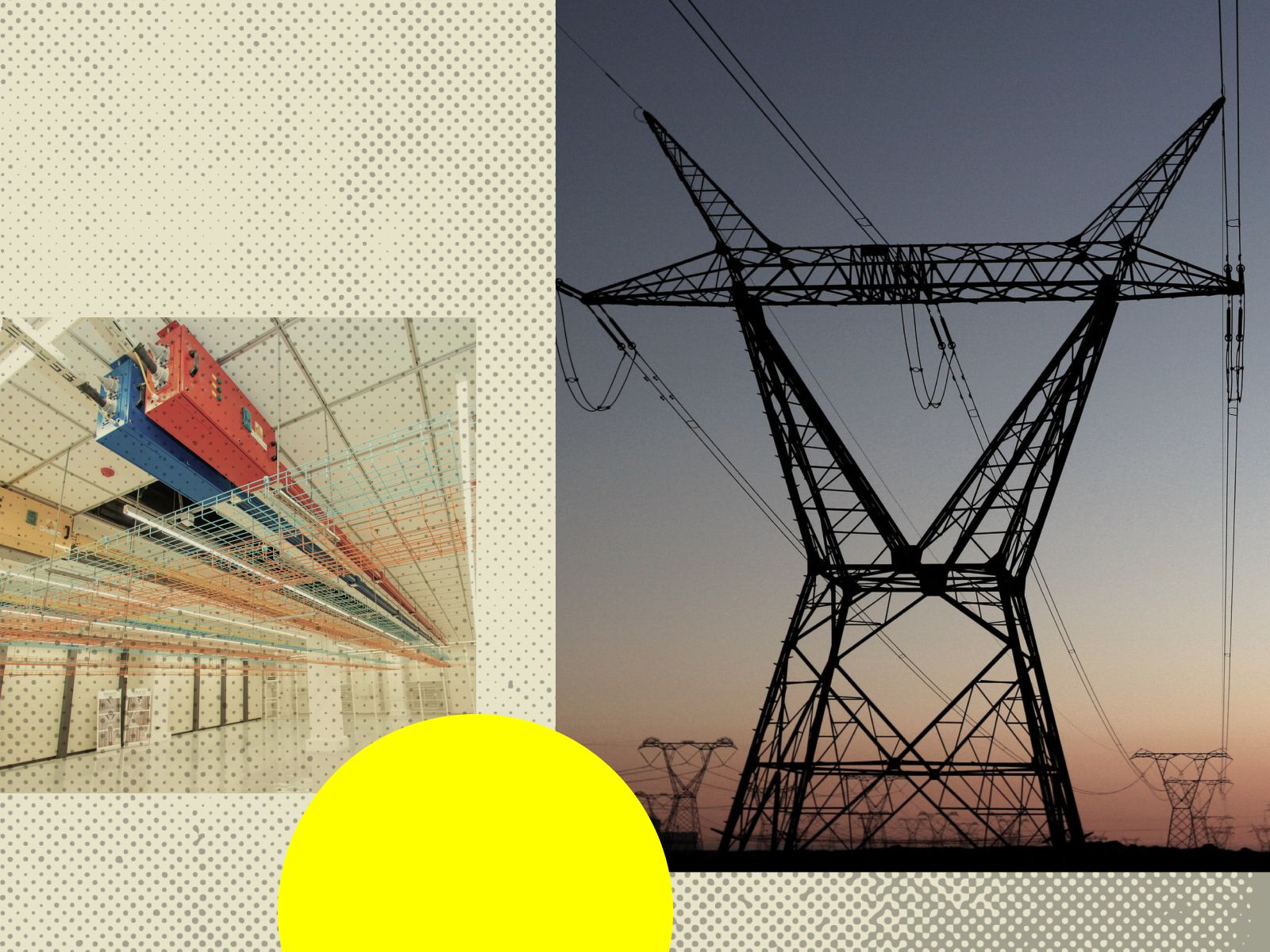
Sub-Saharan Africa's push into AI and digital services is being held back by a power shortage affecting roughly half the region's population. The IMF ranks the region lowest on AI readiness largely because of unreliable electricity, and forecasts minimal economic benefit from AI over the next decade unless power supply improves. South Africa's recent energy reforms—which encouraged private power generation and renewable energy—show the impact of policy change, and Kenya and Nigeria are now pursuing similar strategies.
Summaries like this, in your inbox every morning.
Sign up free →What happened
Around 600 million people across sub-Saharan Africa lack access to power, which the IMF identifies as the primary reason the region ranks lowest on its global AI Preparedness Index. The lengthy process of building both power plants and data centers, combined with unreliable electricity, is slowing digital infrastructure growth across the continent.
Why it matters
The IMF's models suggest the economic impact of AI over the next decade will be negligible in sub-Saharan Africa if power provision remains inadequate. Without reliable electricity, essential digital services—online payments, logistics, tax systems, and health services—cannot operate continuously, hampering the region's ability to participate in the AI economy.
What to watch
South Africa's 2022 Energy Action Plan demonstrates a path forward; the policy shift toward private energy generation and renewable energy has reduced loadshedding and improved power reliability. Kenya and Nigeria are now pursuing similar reforms, though experts note such policy changes take time to produce results. Raxio, a data center operator, secured a $100 million(約160億円) investment from the International Finance Corporation last year to expand its network in Africa.
Power infrastructure stands as the defining constraint on Africa's ability to join the global AI economy. Roughly 600 million people across sub-Saharan Africa—approximately half the region's population—currently lack access to electricity, creating both an immediate humanitarian shortfall and a structural barrier to digital development. The International Monetary Fund has ranked sub-Saharan Africa lowest on its global AI Preparedness Index, with unreliable electricity provision identified as the chief cause. Even more sobering, the IMF's economic models project that if power supply does not improve, the economic impact of AI over the next decade will be negligible for sub-Saharan Africa.
The digital infrastructure required to deliver essential services—online payments, logistics platforms, tax systems, and health services—depends on continuous, uninterrupted operation of data centers. Yet constructing both power plants and data centers is a lengthy undertaking, involving planning permission, commissioning, and construction phases. This bottleneck means that policies unlocking energy access are not ancillary but central to the continent's digitalization.
South Africa provides evidence that policy reform works. The country launched its Energy Action Plan in 2022 to resolve a power crisis that had forced authorities to impose planned blackouts, known as loadshedding. The policy shift prioritized private energy generation through widespread power purchase agreements. The results are visible: a surge in renewable energy capacity and reduced strain on Eskom, the state power utility, have helped eliminate loadshedding. Kenya and Nigeria, two of Africa's largest economies, are now carrying out similar reforms. However, experts emphasize that such policy changes take time to deliver results. As Raxio's CEO noted, "It's a necessary discussion now to prepare for the future, if you want to have, as a nation, large-scale digitalization." Raxio itself secured a $100 million(約160億円) investment from the International Finance Corporation last year to expand its network of data centers across Africa, signaling sector confidence despite current constraints. The broader challenge remains: overcoming Africa's power deficit will require a mix of solutions tailored to different regions, not a one-size-fits-all approach.
Power infrastructure is the linchpin of Africa's digital future, yet the region faces a stark deficit. Roughly half of sub-Saharan Africa's population lacks reliable electricity access, creating a bottleneck that the IMF explicitly cites as the primary reason the region ranks lowest on its global AI Preparedness Index. This is not merely a convenience issue: continuous operation of data centers is essential for online payments, logistics, tax systems, and health services. The IMF's economic models project that if power provision does not improve, the economic benefit of AI to sub-Saharan Africa over the next decade will be negligible.
The path to reform exists but requires policy intervention. Both constructing power plants and building data centers involve lengthy approval and commissioning processes; policy frameworks that unlock energy access are therefore critical. South Africa's experience offers a concrete example. After launching its Energy Action Plan in 2022 to address a power crisis and rolling power cuts, the country shifted toward private energy generation through power purchase agreements. The result has been a marked improvement in power supply, including sharp rises in renewable energy capacity, and a visible reduction in loadshedding. Kenya and Nigeria, two of the continent's largest economies, are now pursuing analogous reforms. However, experts caution that such policy changes take time to show impact, making the present moment crucial for laying groundwork if nations want large-scale digitalization. Investment in data center infrastructure is already flowing—Raxio's $100 million(約160億円) backing from the International Finance Corporation signals sector confidence—but expansion will remain constrained without corresponding improvements in the electricity grid.
AI-summarized, only the topics you pick — one digest a day via Email, Slack, or Discord.
Free · takes 30 seconds · unsubscribe anytime
No comments yet. Be the first to share your thoughts!
Log in to join the discussion


Get curated AI news from 200+ sources delivered daily to your inbox. Free to use.
Get Started FreeFree · takes 30 seconds · unsubscribe anytime
1 minute a day. The AI essentials.
200+ sources · Email / LINE / Slack
