What happened
Berkshire Hathaway Energy, a wholly owned subsidiary of Warren Buffett's conglomerate, is benefiting from surging electricity demand driven by AI data centers. CEO Greg Abel stated that about half of the energy unit's operations now address AI-related power needs, supported by a roughly $34 billion(約5.4兆円) capital plan to expand generation, storage, and transmission.
Why it matters
Regulated utilities earn steady returns in two ways—selling more electricity as demand rises, and earning a fixed return on capital invested to serve that demand. In Iowa alone, data center clusters now account for roughly 8% of peak electricity load, with management expecting consumption to keep climbing for years. This gives Berkshire indirect AI exposure without the volatility of chip stocks.
What to watch
Utility returns depend on regulators approving rate increases, which is not guaranteed. Berkshire Hathaway Energy also carries real liabilities, including wildfire exposure at PacifiCorp that has cost it dearly. Even a thriving energy unit will not move Berkshire's overall stock as dramatically as a hot chip stock might, making this a slow, steady contributor rather than a high-growth bet.
Summaries like this, in your inbox every morning.
Berkshire Hathaway has built its reputation by avoiding industries the company does not fully understand, which has largely kept it on the sidelines of the AI stock frenzy dominated by chipmakers and AI software companies. Yet the subsidiary Berkshire Hathaway Energy reveals an unexpected angle: AI's electricity hunger creates a structural, long-term opportunity in regulated utilities that few observers have highlighted.
The mechanism is straightforward. AI data centers consume enormous amounts of power, and utilities that own generation, storage, and transmission infrastructure can serve that demand while earning regulated returns on capital invested. Unlike hot chip stocks that depend on market sentiment and competition, regulated utilities enjoy government-approved rate structures that lock in margins on approved investments. Greg Abel's statement that roughly half of Berkshire Hathaway Energy's operations now address AI-related power needs signals that this is not a speculative bet but an operational reality shaping the business's capital allocation.
However, the article cautions that utility returns are not risk-free. Rate increases require regulator approval, and Berkshire Hathaway Energy carries material liabilities—PacifiCorp's wildfire exposure has been costly. Moreover, even a thriving energy unit operates at the scale of a slow, steady contributor within a conglomerate as large as Berkshire, unlikely to drive outsized stock gains. The broader lesson is that AI's economic beneficiaries are far more diverse than the public discourse around chip stocks suggests.
For example, today's edition would include:
AI-summarized, only the topics you pick — one digest a day via Email, Slack, or Discord.
Free · 30 seconds with Google · unsubscribe anytimeWhat is AIToday? →
Ask AI anything about this article. Q&As are published on this page for other readers too.
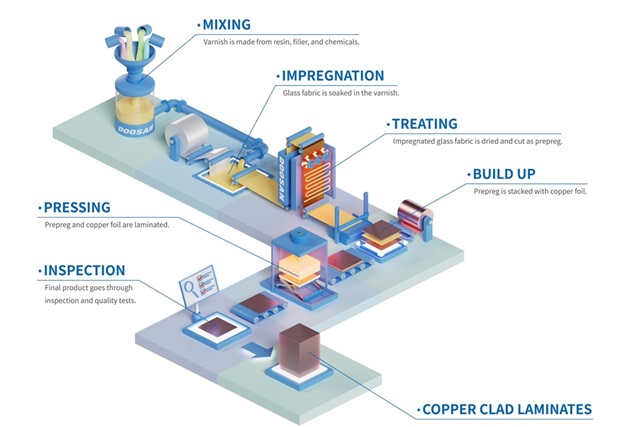
Doosan committed KRW968 billion to expand high-end copper-clad laminate (CCL) production in South Korea and Ch…
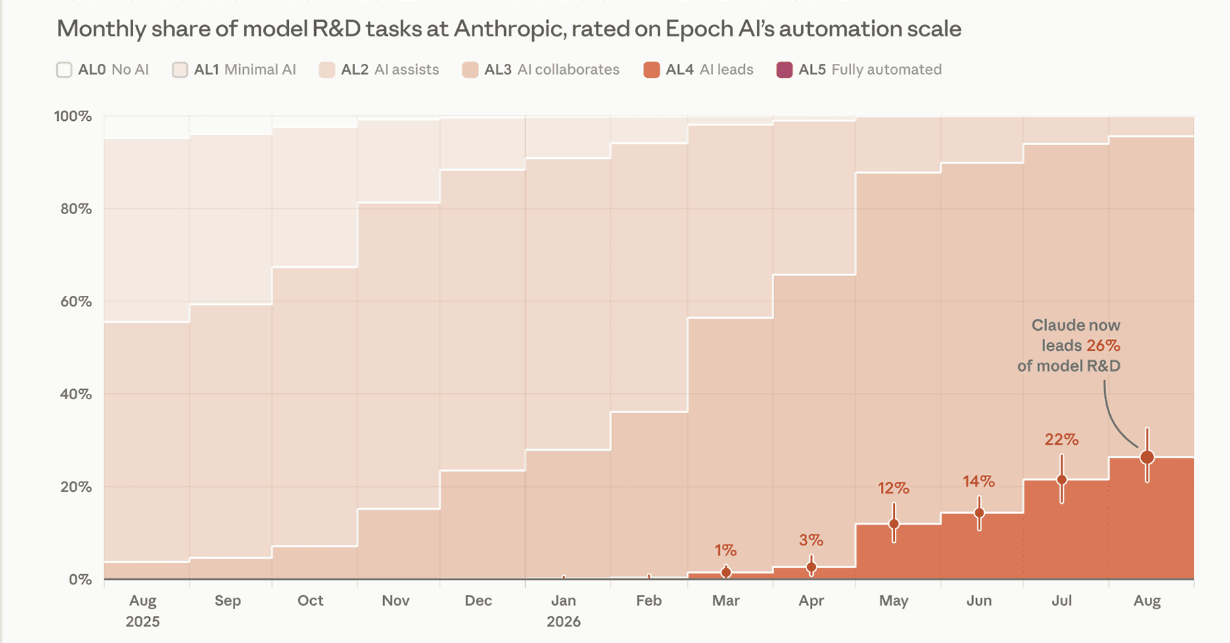
Anthropic Institute said that as of August, 26% of its AI research and development work was almost entirely do…
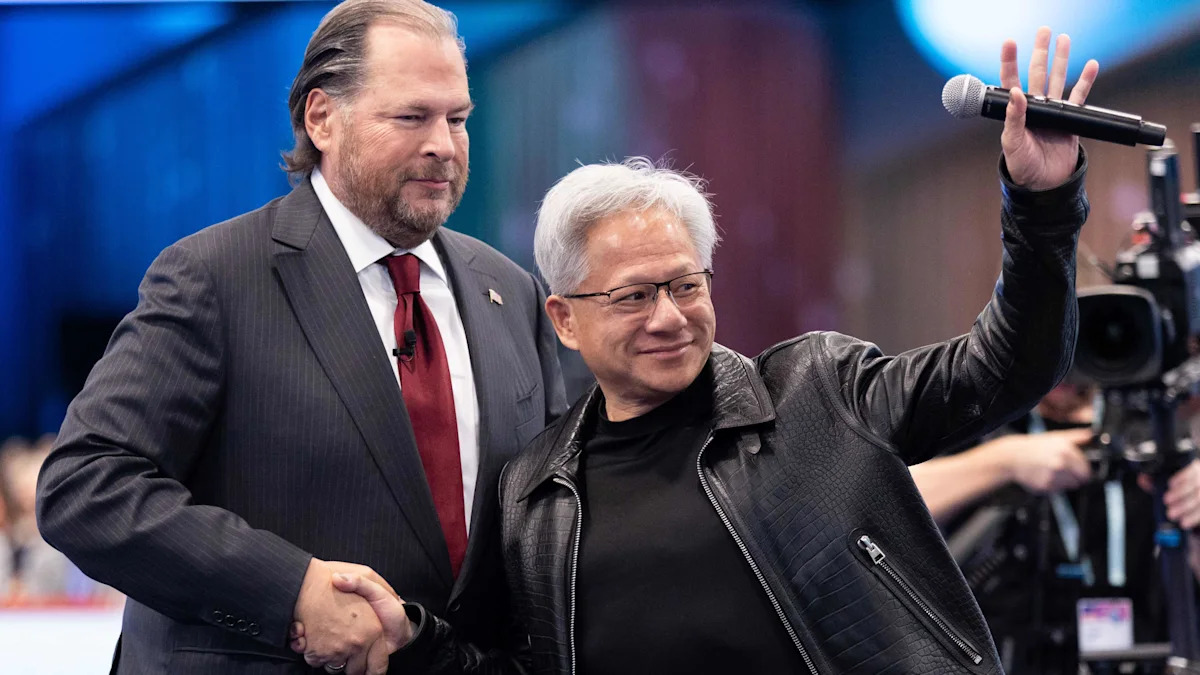
At Dreamforce, Salesforce and Nvidia unveiled Koa, a domain-specific reasoning model for Salesforce's Agentfor…
Abel more than tripled Berkshire's Alphabet stake in the first quarter and added another $17 billion in the se…

Kai-Fu Lee says most CEOs want AI transformation but are 'mostly doing it wrong', and that they must personall…
Atlassian CEO Mike Cannon-Brookes said the most AI-native customers are expanding fastest, and that customers…