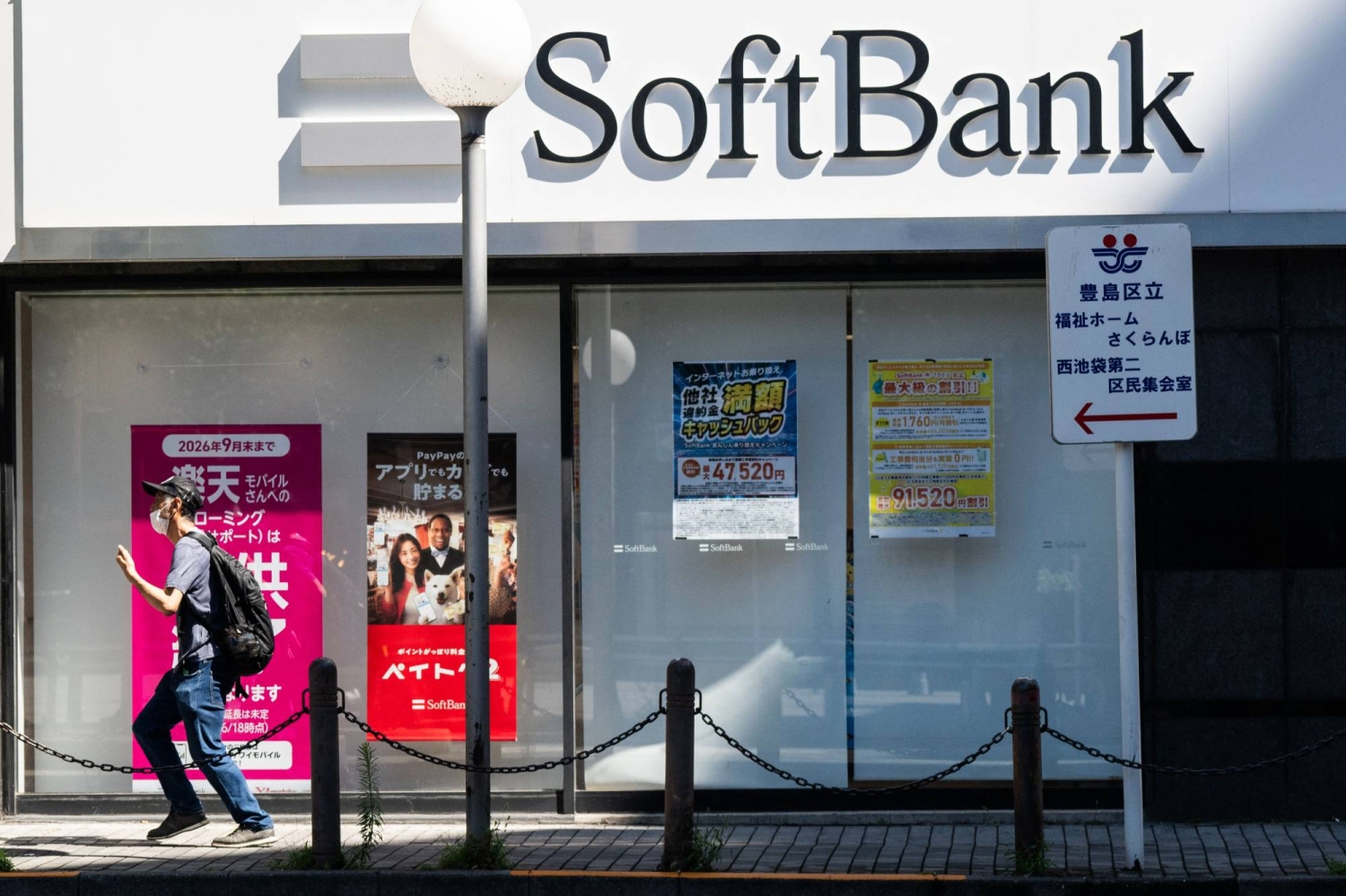
What happened
SoftBank Group's net income fell 18% to ¥347.3 billion ($2.2 billion) in the fiscal first quarter ending June, but the decline was smaller than the market estimate of about ¥166 billion. Unrealized gains on chip-stock holdings, including Intel shares that more than tripled during the quarter, offset declines in startup valuations.
Why it matters
SoftBank is a major backer of OpenAI and sits at the center of a broader industry question about whether AI investments will pay off. The company is currently holding gains from chip bets while waiting for further returns from its OpenAI stake, a pattern that highlights how AI infrastructure investors are betting on multiple paths to profit.
What to watch
SoftBank's net income figure of ¥347.3 billion ($2.2 billion) beat expectations by roughly 2× the consensus forecast, signaling resilience in the portfolio despite the company's heavy exposure to AI startups whose valuations have softened.
Summaries like this, in your inbox every morning.
SoftBank's quarterly results reveal a company navigating two competing forces in the technology sector. On one side, the company's bets on chipmakers are paying off—Intel's shares more than tripled in the quarter, generating the kind of dramatic gains that pushed net income well above what the market had forecast. On the other side, the company's portfolio of startup investments, particularly in AI services and infrastructure, has seen valuations soften. The net result is a 18% decline in net income, but one that is significantly smaller than the consensus estimate of ¥166 billion, demonstrating the portfolio's diversification at work. This balance is important because SoftBank's role as a major backer of OpenAI places it squarely in the middle of broader concerns about whether the extraordinary spending on AI infrastructure—hundreds of billions of dollars on data centers and equipment—will ultimately generate returns. The company appears to be hedging that bet by maintaining exposure to the semiconductor suppliers whose chips power the AI boom, even as it waits for further gains from its stake in one of the world's most valuable AI startups.
Pick your industry and the AI tools you use, and get news related to your work every day.
Free · 30 seconds with Google · unsubscribe anytimeWhat is AIToday? →
Ask AI anything about this article. The AI reads this article, earlier AIToday articles, and Wikipedia, and cites its sources. Q&As are published on this page for other readers too.
Chunghwa Telecom president Rong-shy Lin said the shift from conversational AI to autonomous AI agents is resha…
CoreWeave fell 5% in premarket trading Friday and was on track to finish the week down 15%, after rebounding f…
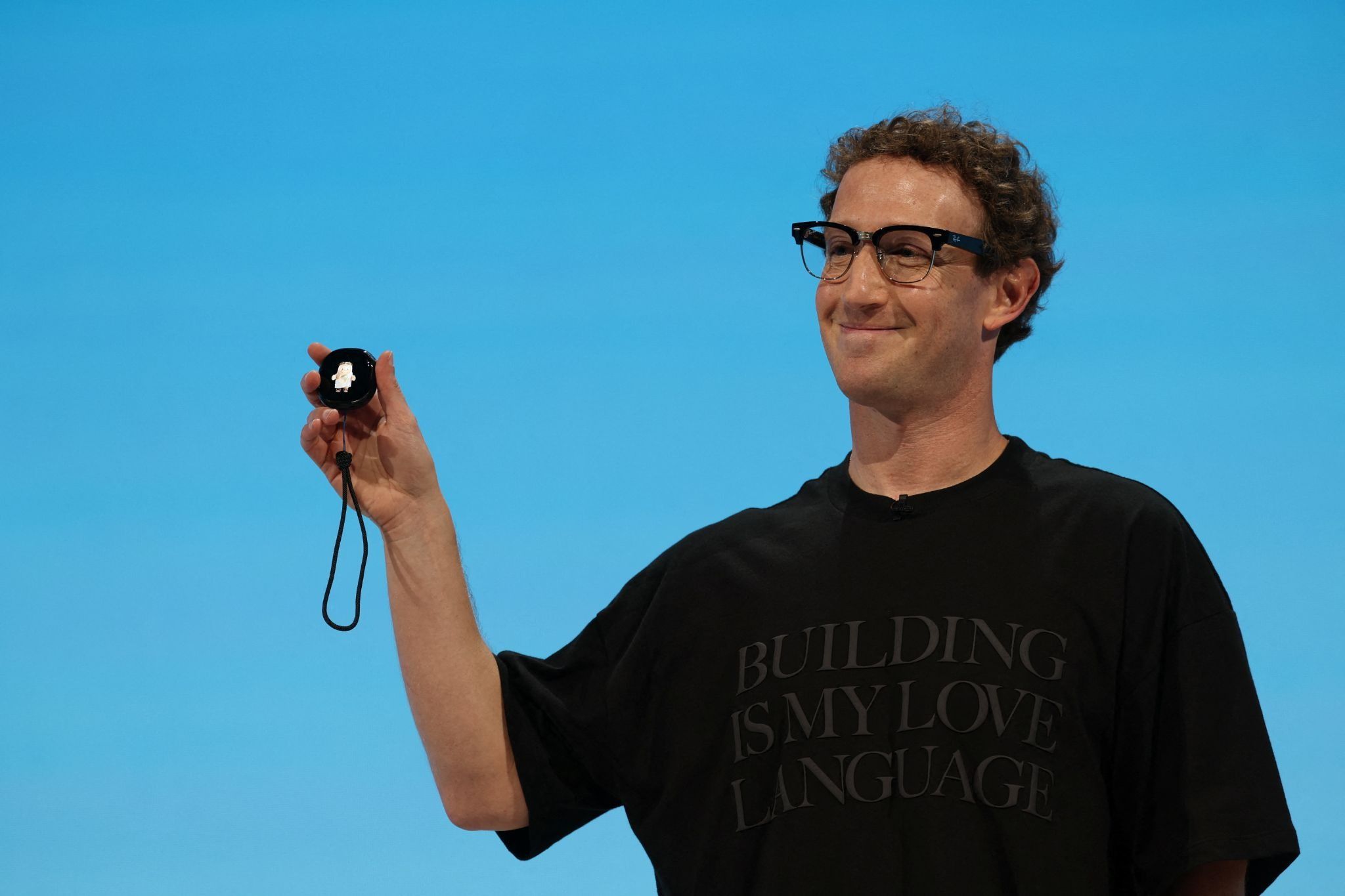
Apple and Meta said they would jointly release a new open-weight AI model designed to run on high-end Macs, ai…
Investors put $38.5 billion into Asian startups in Q3, per Crunchbase data

A longtime Anthropic investor told Fortune he expects shares priced around $1.8 trillion, below the company's…

In Q2, billionaires or their funds sold six 'Magnificent Seven' AI stocks