What happened
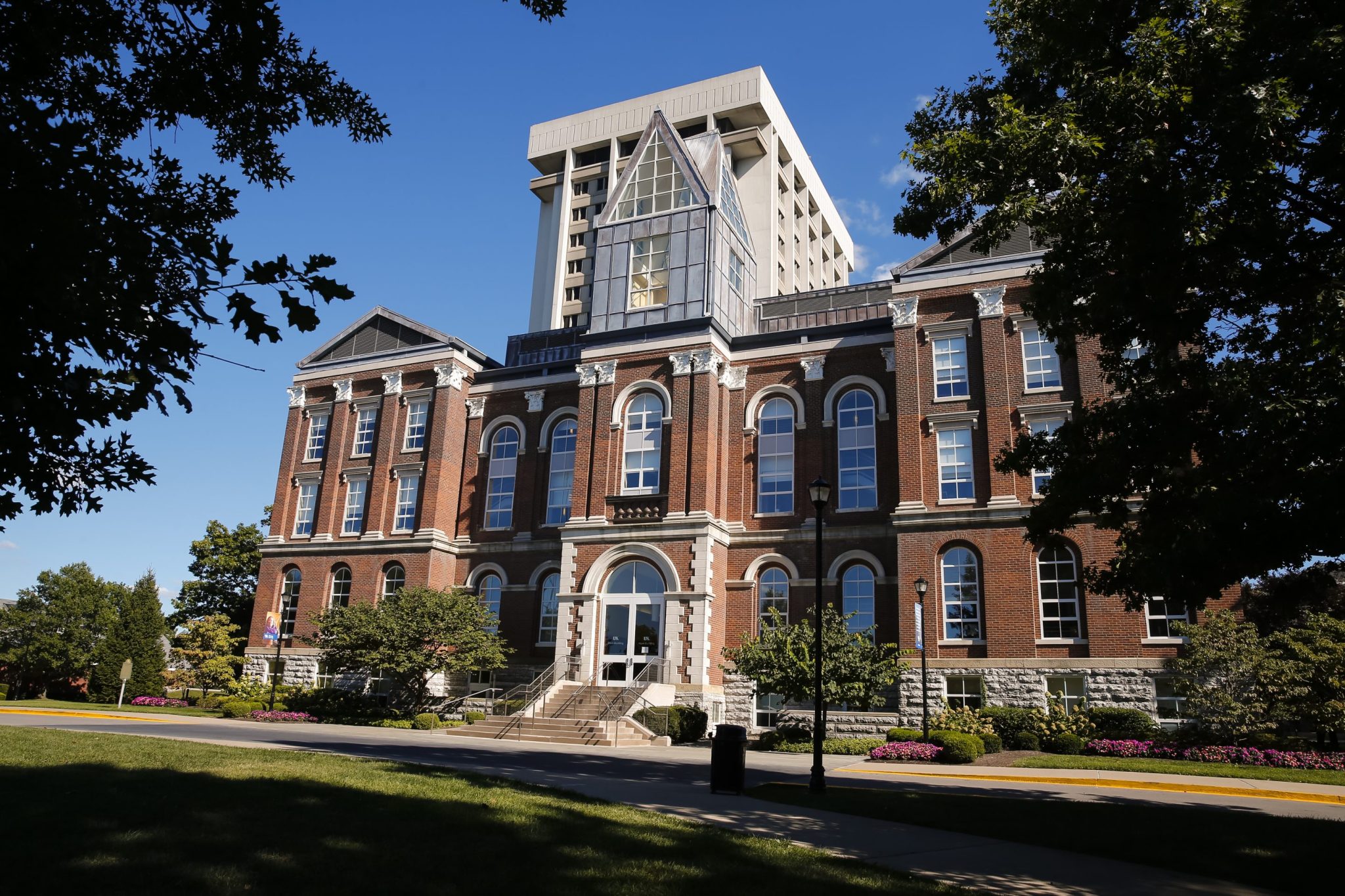
David Durman, a 45-year-old University of Kentucky administrator, filed a Title VII religious accommodation request in August and was granted an AI-use exemption on Sept. 25.
Why it matters
The university determined that accommodating his beliefs did not impose an undue hardship on the institution, showing that a sincerely held faith-based objection can secure a workplace AI opt-out.
Summaries like this, every morning.
Durman's case reflects a broader tension: employers are urging staff to adopt AI, yet some workers see it as a moral issue. Shopify CEO Tobi Lütke has called AI use a baseline expectation, and Amazon urged software engineers to adopt it when useful. Meanwhile, Gallup found 52% of U.S. employees used AI at work at least a few times a year as of May 2026, up from 21% in 2023, and an American Psychological Association survey this year found 37% worried about falling behind colleagues who use AI.
Durman was inspired by Erin Maus, a software engineer and practicing Unitarian Universalist who got a religious exemption from using AI at her tech company in May. Pope Leo XIV also warned in his May encyclical that relying on AI could erode human creativity and judgment. Durman said he read parts of the encyclical but wasn't necessarily influenced by it.
Attorney Alexandria Huiskens, who works with the American Humanist Association and helped Durman, said many Humanists don't realize they can approach their employer with this kind of exemption. Whether another employee could secure a similar accommodation would depend on their beliefs and the impact on their employer, she said.
Pick your industry and the AI tools you use, and get news related to your work every day.
Free · 30 seconds with Google · unsubscribe anytimeWhat is AIToday? →
Ask AI anything about this article. The AI reads this article, earlier AIToday articles, and Wikipedia, and cites its sources. Q&As are published on this page for other readers too.

