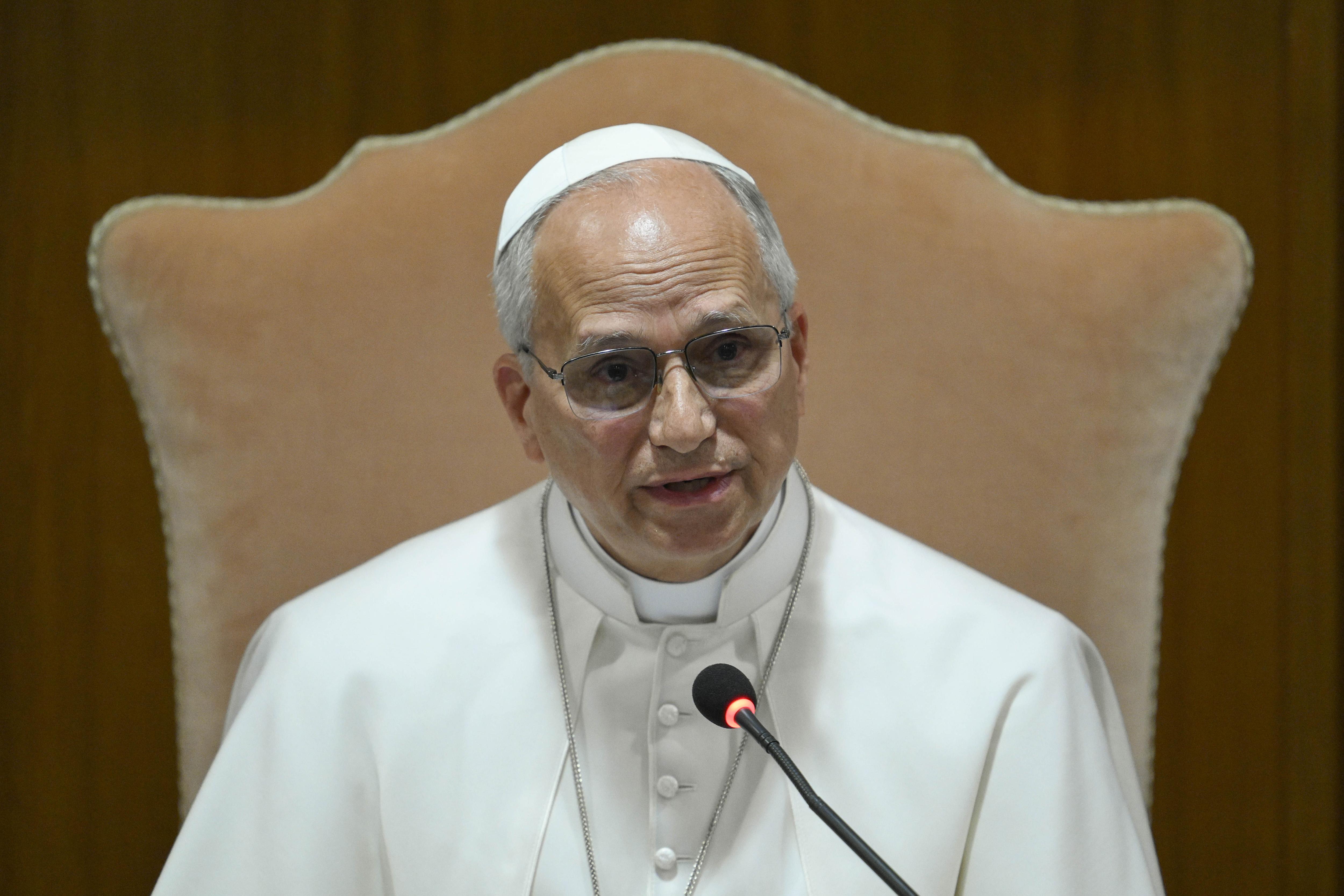
An analysis by Linch Zhang on LessWrong used the AI detector Pangram to examine Pope Leo XIV's encyclical Magnifica Humanitas and found certain paragraphs flagged as between 40 percent and 100 percent AI-written. When The Verge ran roughly 2,000 words through Pangram, it estimated 46 percent was AI-written.
The encyclical, Pope Leo's first and the first to focus on AI, was presented alongside Christopher Olah, a co-founder of Anthropic. Previous encyclicals' opening paragraphs, when run through Pangram, showed 100 percent confidence of being human-written.
AI detection tools like Pangram can produce inconsistent results across different detectors, and accuracy is not guaranteed. Pangram stated in March 2025 that it estimated its false positive rate of reporting human-written work as AI-generated to be approximately 1 in 10,000.
Ask the AI about this article →
For example, today's edition would include:
AI-summarized, only the topics you pick — one digest a day via Email, Slack, or Discord.
Free · takes 30 seconds · unsubscribe anytimeWhat is AIToday? →
Ask AI anything about this article. Q&As are published on this page for other readers too.
CrowdStrike Holdings Inc
ASE Technology CEO and SEMI Global Board Executive Committee Chair Tien Wu said AI's early-stage growth is cre…

Fervo Energy signed a deal to supply 396 MW of electricity from its Cape Station project in Utah to a Google d…

Nvidia co-announced with Vertiv in August that it is making progress on 800-volt power infrastructure for its…

John Ternus takes over as CEO of Apple today, stepping into the role as the company confronts the AI era

Top AI-native open source projects like Flue and tldraw are refusing external pull requests, often because the…