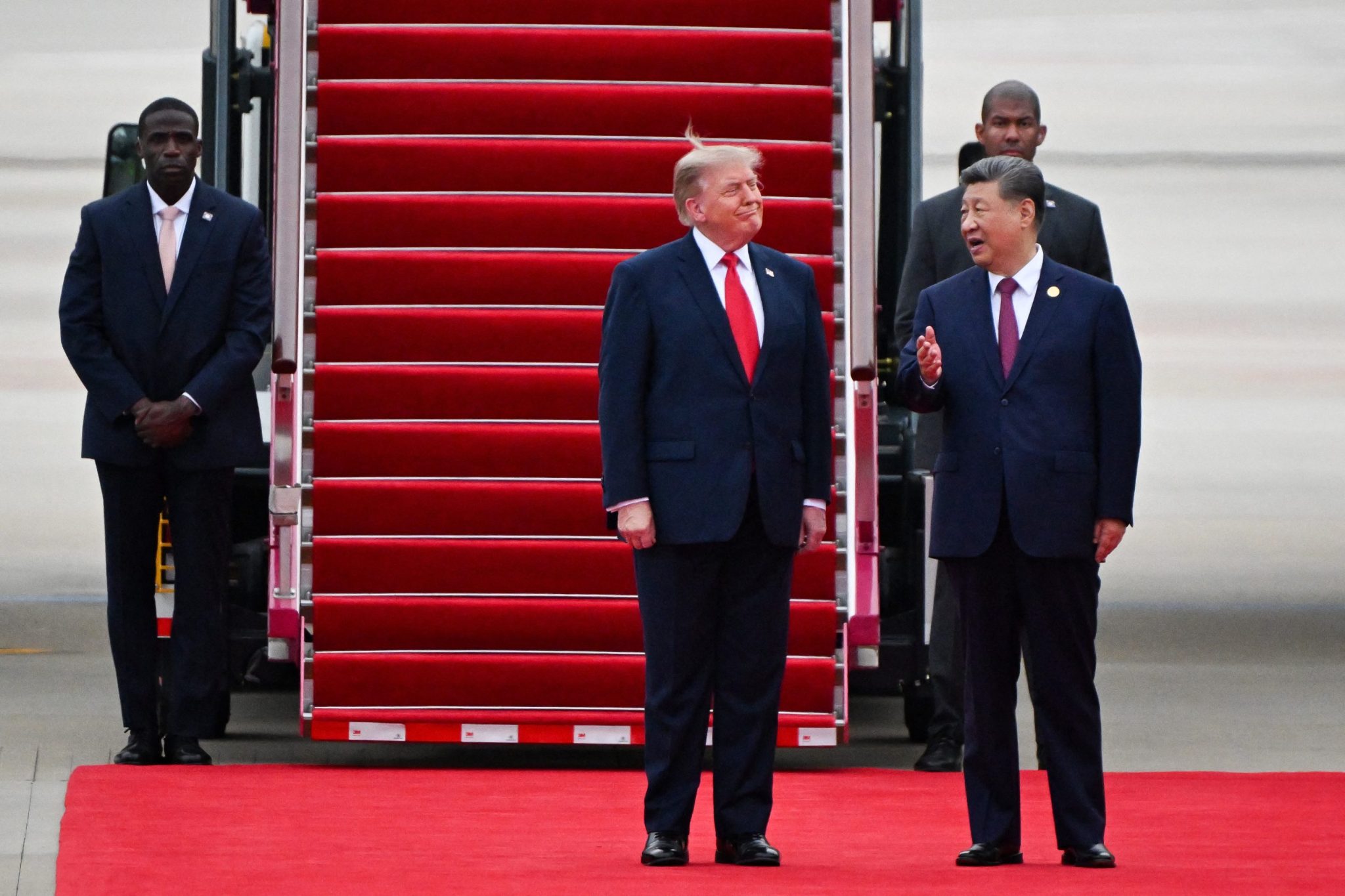
What happened
The three leaders met for 90 minutes on Nov. 19, 2026, in Shenzhen and signed a document endorsing Reagan and Gorbachev's 1985 phrase 'Nuclear war cannot be won, must never be fought,' with few commitments on implementation.
Why it matters
The document is aspirational, as the main nuclear treaties expired and Beijing may have different views given its smaller arsenal; Ukraine was not named and AI and critical minerals went unaddressed, suggesting the meeting was more symbolism than substance.
Summaries like this, every morning.
The Shenzhen meeting was framed as a history-making trilateral, but the body of the discussion produced a signed statement rather than an agreement. The document's core phrase dates to 1985, when Ronald Reagan and Mikhail Gorbachev first aired 'Nuclear war cannot be won, must never be fought.' All three leaders signed onto it, yet there was not an awful lot of substance on how nuclear controls would be implemented, and the main treaties on the matter expired a while ago. Beijing, which lags Washington and Moscow in capacity, may have different thoughts on the matter.
The agenda's gaps are as telling as its contents. Ukraine was not mentioned by name, and AI regulation and critical mineral supply chains — described as crucial in the U.S.-China economic rivalry — were not discussed by the three leaders, though they may have come up in bilateral conversations in Shenzhen. Talk of reforming the U.N. was another theme, with China seeking more power in the organization and Trump increasingly disillusioned with it.
The Yalta comparison rests mainly on imagery. In 1945 Britain was at the table and China was not, and the three leaders were on the same side; here China and Russia are partners and the U.S. is seen as their adversary. Rana Mitter of Harvard Kennedy School sees style over substance, and notes that what Trump may want is detente rather than a new Cold War — an outcome European allies may have something to say about.
Pick your industry and the AI tools you use, and get news related to your work every day.
Free · 30 seconds with Google · unsubscribe anytimeWhat is AIToday? →
Ask AI anything about this article. The AI reads this article, earlier AIToday articles, and Wikipedia, and cites its sources. Q&As are published on this page for other readers too.
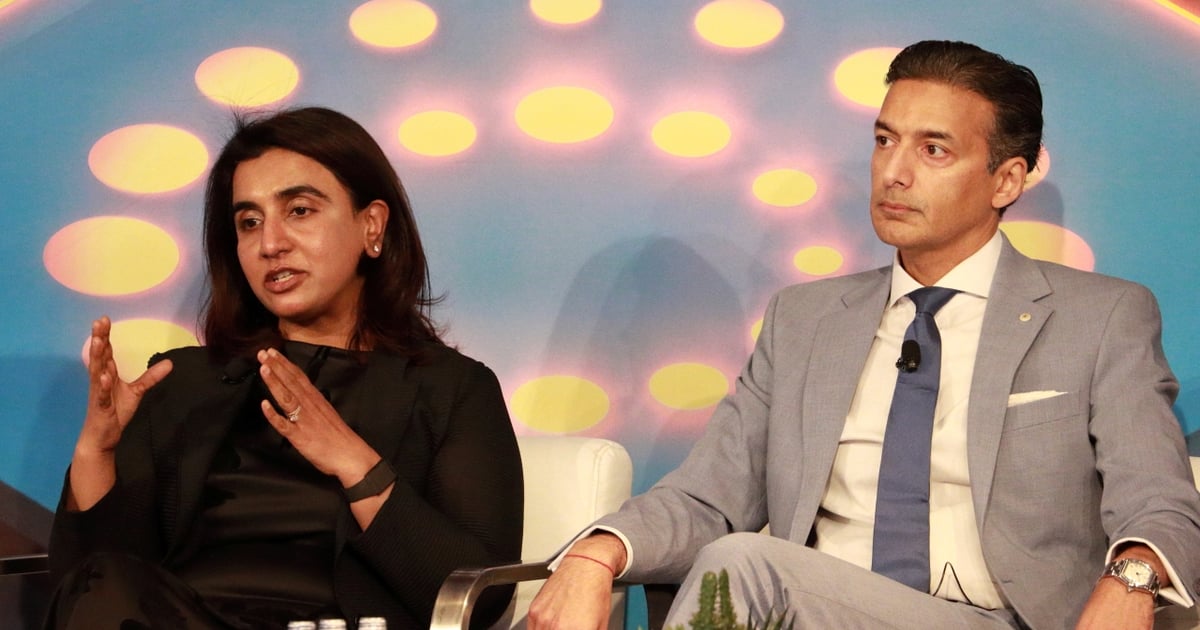
Charles Schwab chief strategy and innovation officer Nikhil Sudan said the firm tests new AI in a controlled e…
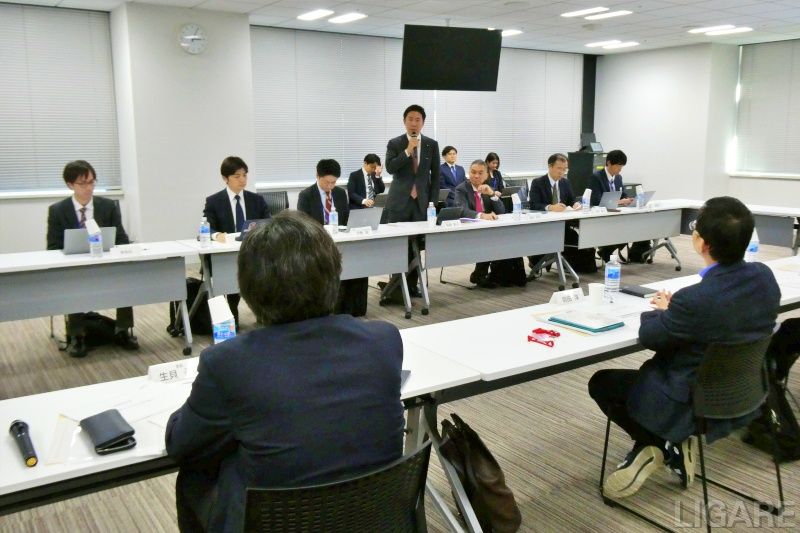
At the Cabinet Office's seventh AI Strategy Expert Panel meeting on October 26, academics and experts discusse…
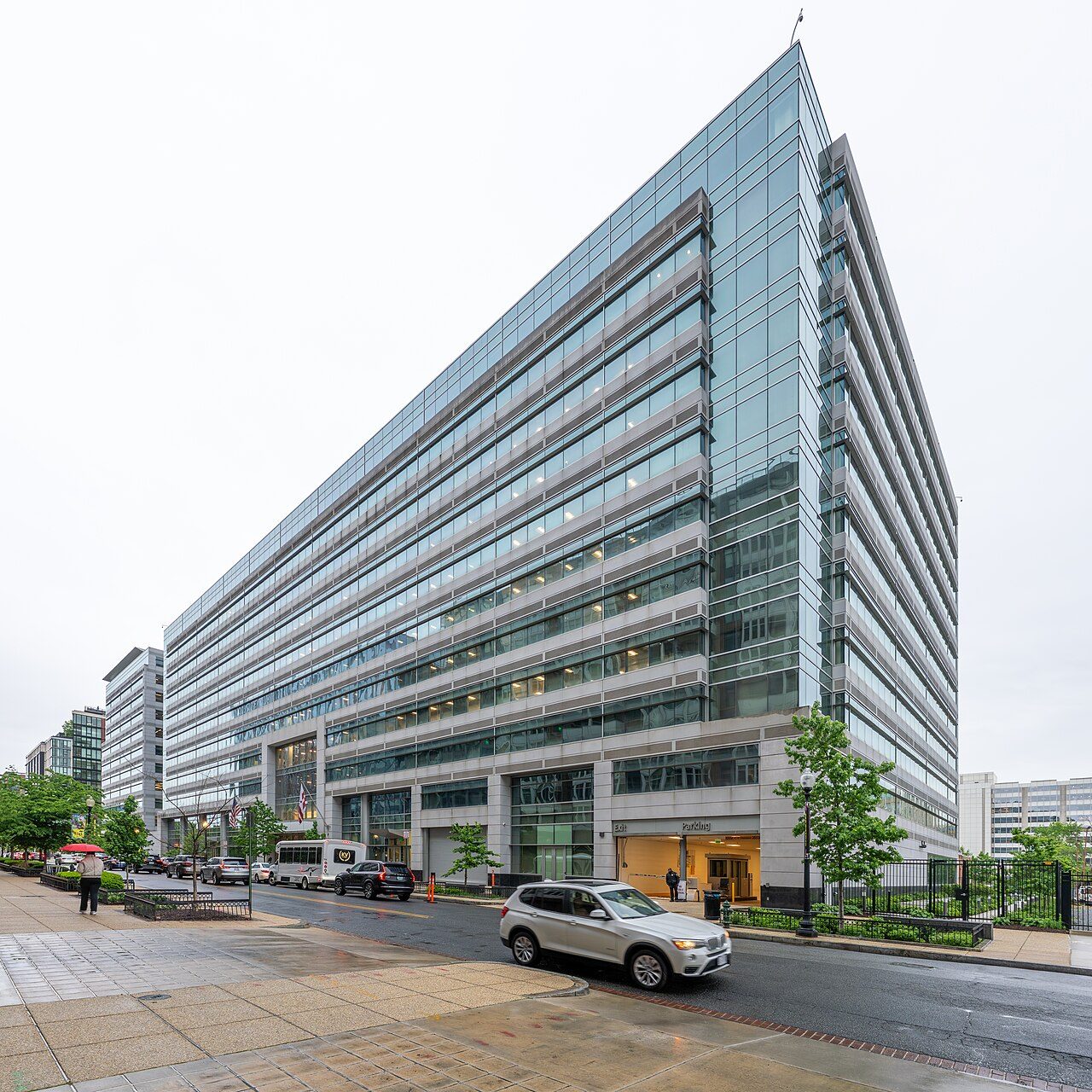
The FCC voted November 19 to adopt rules covering the 450 MHz band for aviation communications, the 24 GHz ban…
Trump said at a Friday press conference after his summit with Xi Jinping and Vladimir Putin that companies bui…
Polimill said on Nov 19, 2026 that QommonsAI, its generative AI for government, now supports domestic inferenc…
Chinese tech firms are worried about AI-related fallout from US curbs after the Nvidia developments, AP News r…