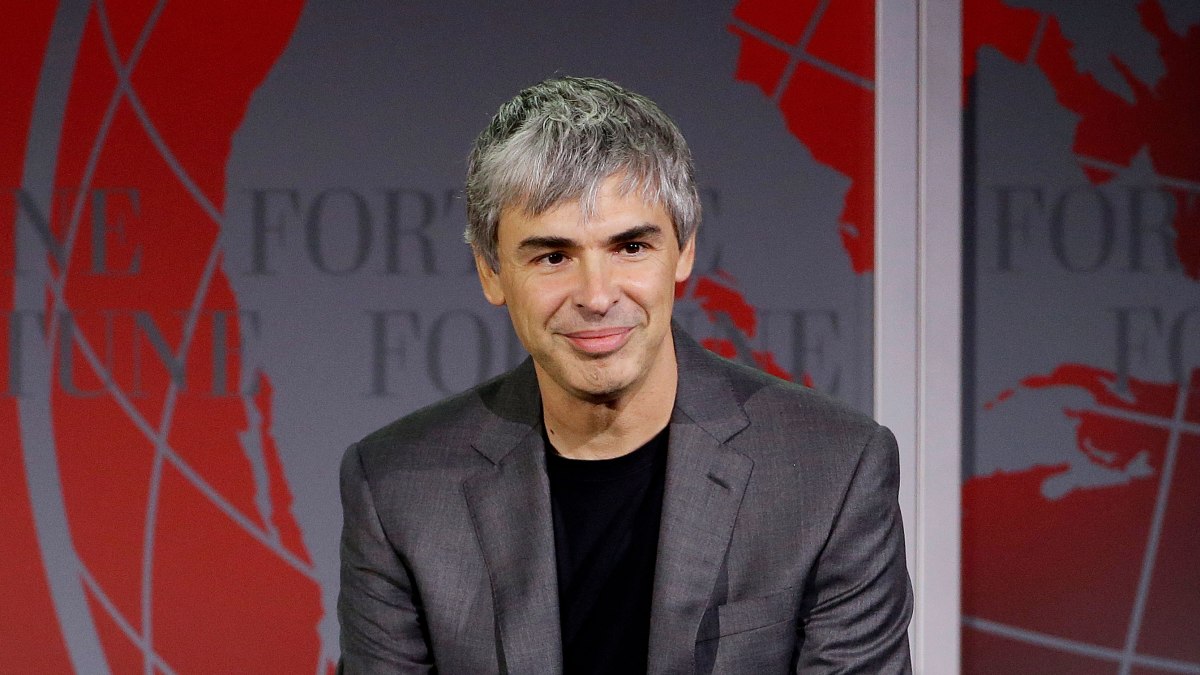
Musk testified Tuesday in his lawsuit against OpenAI that a disagreement with Google's Larry Page over AI safety was a core motivation for co-founding the company. Musk said he raised concerns about AI wiping out humanity, and Page dismissed the concern as 'fine' so long as AI itself survived, calling Musk a 'speciest' for being 'pro human.'
The two were once close friends — Fortune included them on its 2016 list of secretly best-friend business leaders, and Musk regularly stayed at Page's Palo Alto home. The friendship fractured when Musk recruited Google AI researcher Ilya Sutskever to help launch OpenAI in 2015, which Page experienced as a personal betrayal.
This is the first time Musk has made these claims under oath, though he has told the story previously to biographer Walter Isaacson and podcaster Lex Fridman. As recently as 2023, Musk told Fridman he wanted to reconcile with Page: 'We were friends for a very long time.'
Summaries like this, in your inbox every morning.
Pick your industry and the AI tools you use, and get news related to your work every day.
Free · 30 seconds with Google · unsubscribe anytimeWhat is AIToday? →
Ask AI anything about this article. The AI reads this article, earlier AIToday articles, and Wikipedia, and cites its sources. Q&As are published on this page for other readers too.
The Motley Fool argues Amazon is the AI company of the two, since AWS was just 21% of first-half 2026 revenue…

Hewlett Packard Enterprise stock is down 5% at $55.87

Vercel data published Thursday shows TypeSafe AI's Jev, a lightweight decision model for choosing among predet…

Chunghwa Telecom president Rong-shy Lin said the shift from conversational AI to autonomous AI agents is resha…

CoreWeave fell 5% in premarket trading Friday and was on track to finish the week down 15%, after rebounding f…

Apple and Meta said they would jointly release a new open-weight AI model designed to run on high-end Macs, ai…


