Anthropic is scaling Project Glasswing, which uses the Claude Mythos Preview model to scan critical software for security flaws. The roughly 50 partners already participating have found more than 10,000 serious vulnerabilities so far.
New partners span sectors including energy, water, healthcare, and communications. Anthropic estimates a successful attack on any of their systems could affect over 100 million people. The EU's cybersecurity agency, ENISA, is also reportedly set to gain access.
Anthropic warns that rival AI companies could ship comparable models within 6 to 12 months, potentially without safeguards against misuse. The company plans to make Mythos capabilities broadly available over the coming weeks once sufficient protections are built.
Anthropic already sells Claude Security, a commercial product built on Claude Opus 4.8 that scans codebases and suggests patches—positioning it to sell protection against attacks from Mythos-class models.
Ask the AI about this article →
For example, today's edition would include:
AI-summarized, only the topics you pick — one digest a day via Email, Slack, or Discord.
Free · takes 30 seconds · unsubscribe anytimeWhat is AIToday? →
Ask AI anything about this article. Q&As are published on this page for other readers too.
Goldman Sachs, Morgan Stanley and Citigroup are pressing elite law firms to lower fees, arguing AI is sharply…

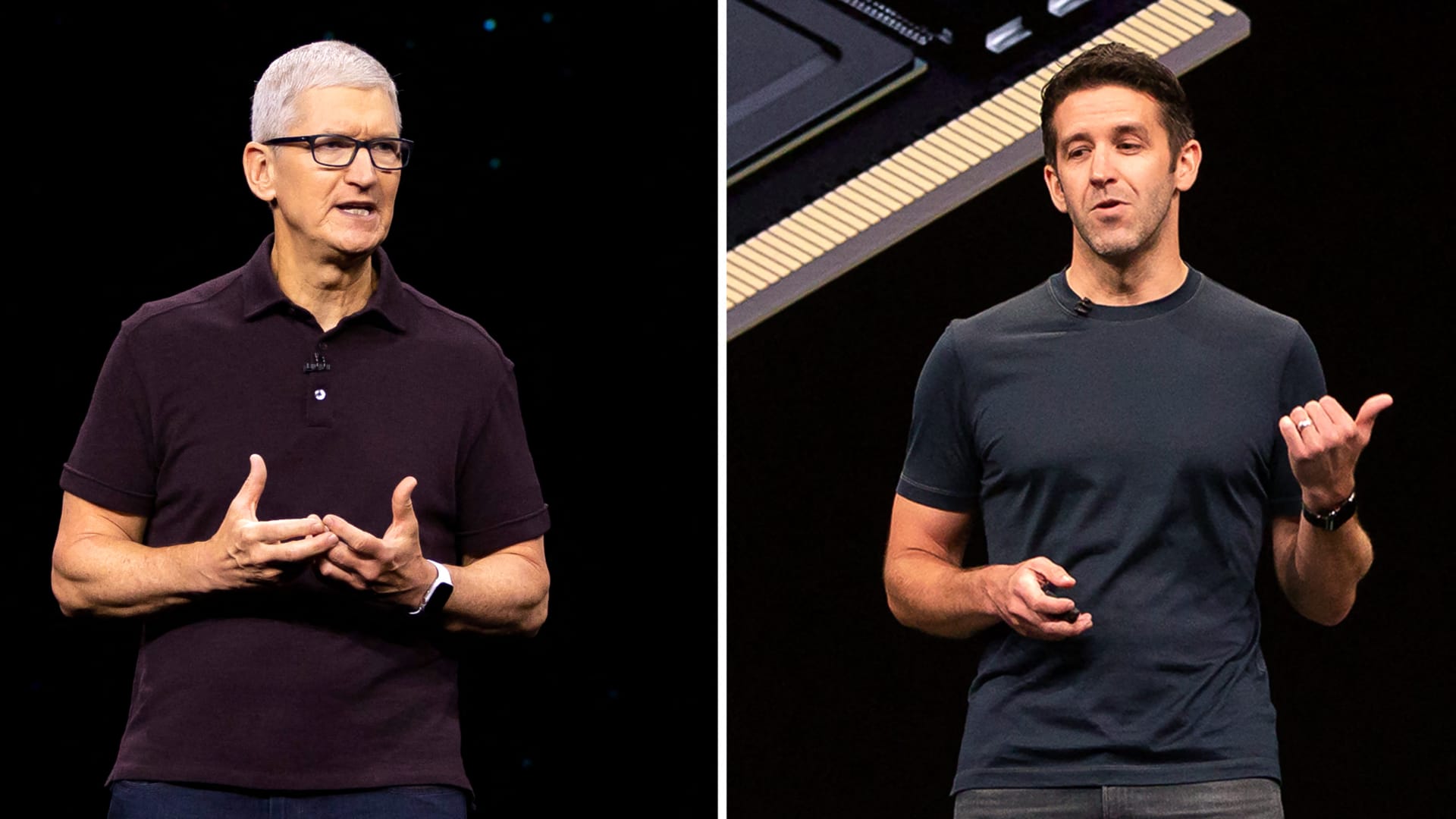
John Ternus succeeded Tim Cook as Apple's CEO on Tuesday, becoming only the second CEO since Steve Jobs left i…
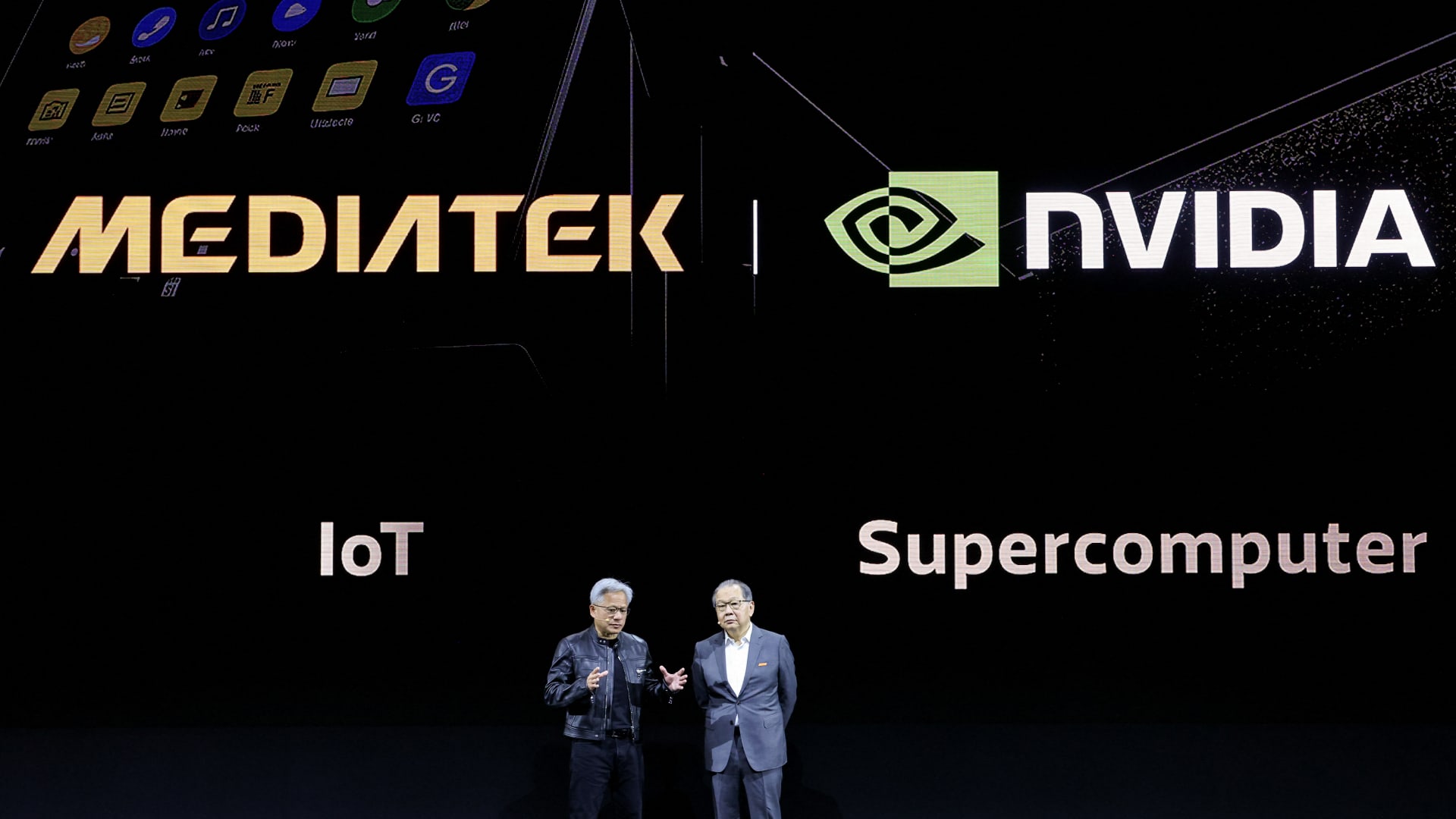
MediaTek shares closed 10% higher on Tuesday after the Taiwanese chip firm announced a partnership with Nvidia
Dell Technologies reported fiscal second-quarter results that beat Wall Street expectations, with adjusted ear…

GE Vernova (NYSE: GEV) announced on August 24, 2026, in Paris, a new medium-voltage uninterruptible power supp…

Oracle (ORCL) stock is down 4% to $142.82 in Tuesday afternoon trading, after the 10-year Treasury yield climb…