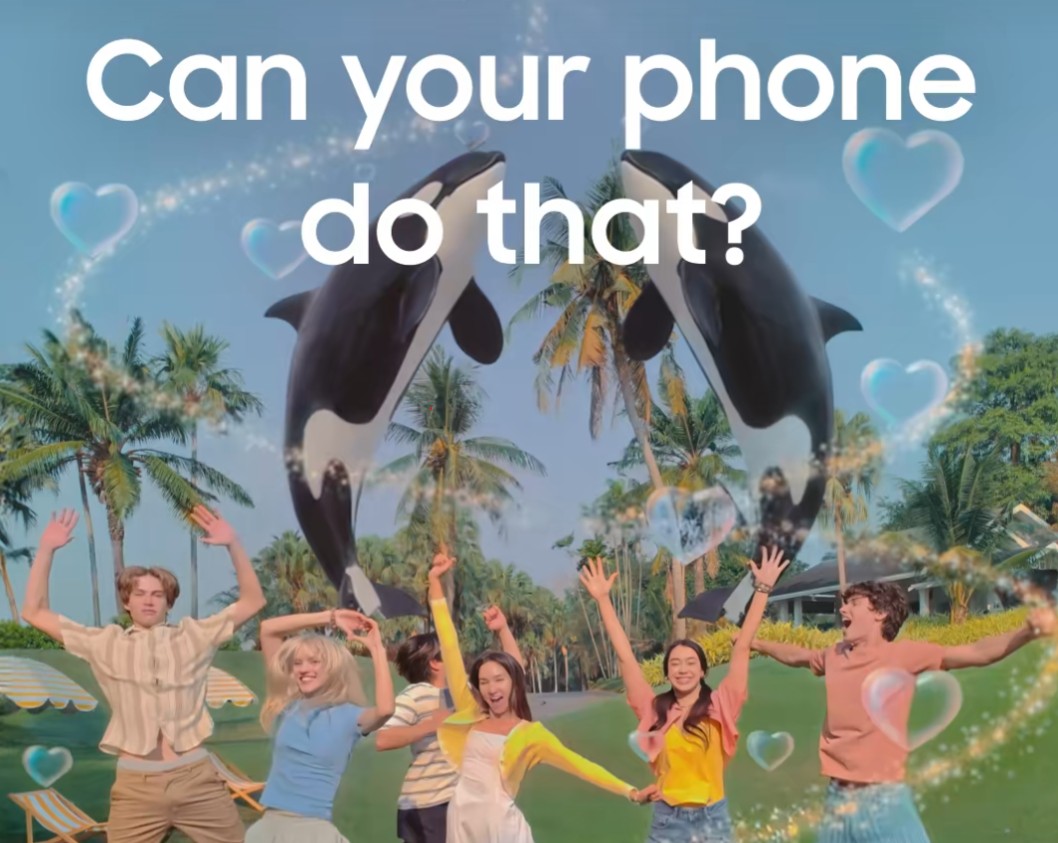
Samsung and other companies are sharing AI-generated ads on TikTok without applying required AI labels, making it difficult for users to identify synthetic content.
Summaries like this, in your inbox every morning.
Pick your industry and the AI tools you use, and get news related to your work every day.
Free · 30 seconds with Google · unsubscribe anytimeWhat is AIToday? →
Ask AI anything about this article. The AI reads this article, earlier AIToday articles, and Wikipedia, and cites its sources. Q&As are published on this page for other readers too.
Meta released open weights for Muse Spark Open, an 816B-parameter model built for coding and long-running agen…
In a Zenn article, EC自動化工房 laid out a pre-generation cleanup step for product masters, adding notation rules t…

Three one-line requests and three requests with written completion criteria to Claude Code produced functional…
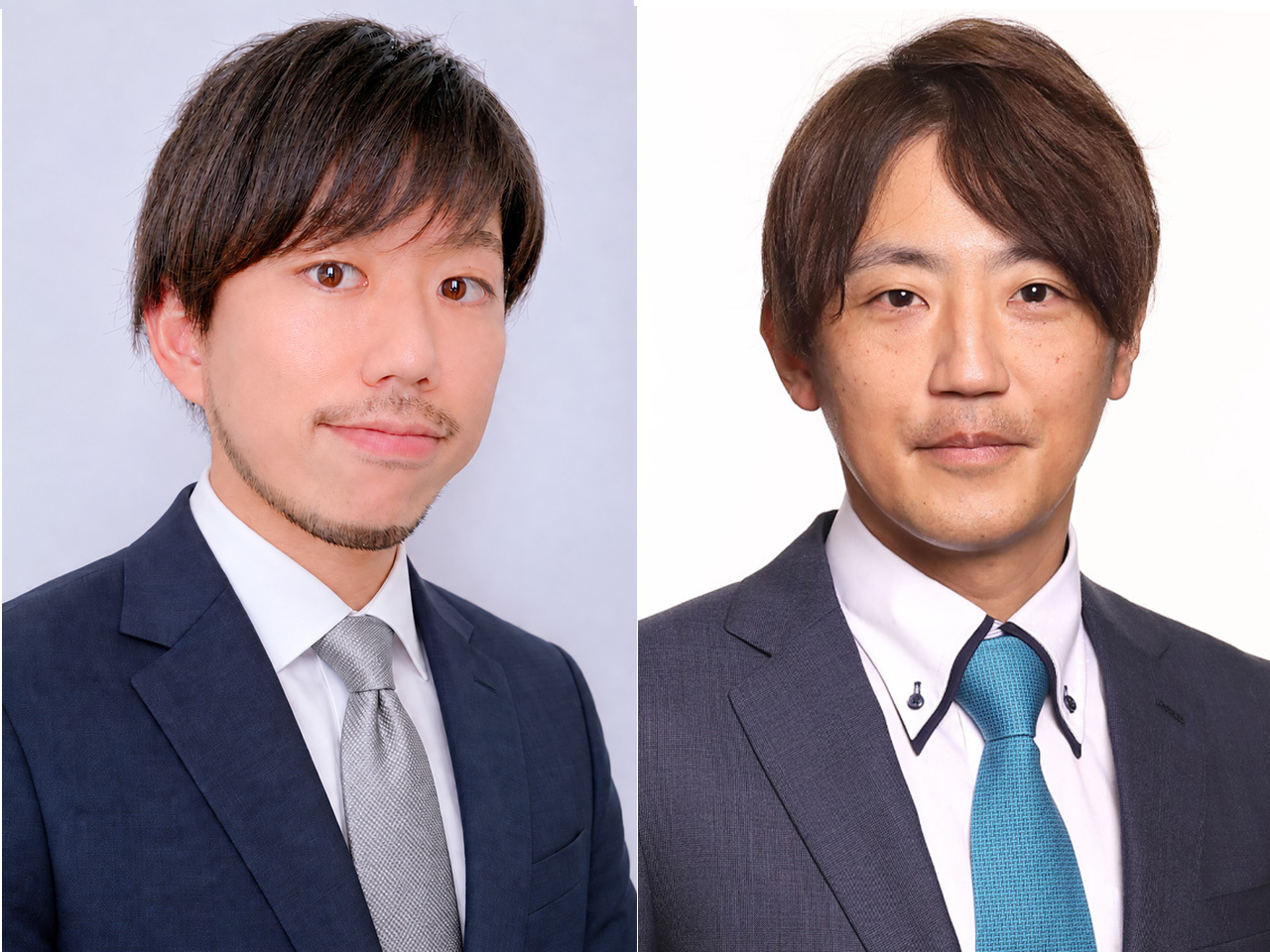
SB OAI Japan, the SoftBank–OpenAI joint venture set up about a year ago, is pushing its "Patching as a Service…
Meta launched Muse Spark Open, an open-weight model with 816 billion parameters and a 1 million token context…
Meta's coding-optimized open-weight model Muse Spark Open is now deployable in Amazon SageMaker JumpStart in t…