What happened
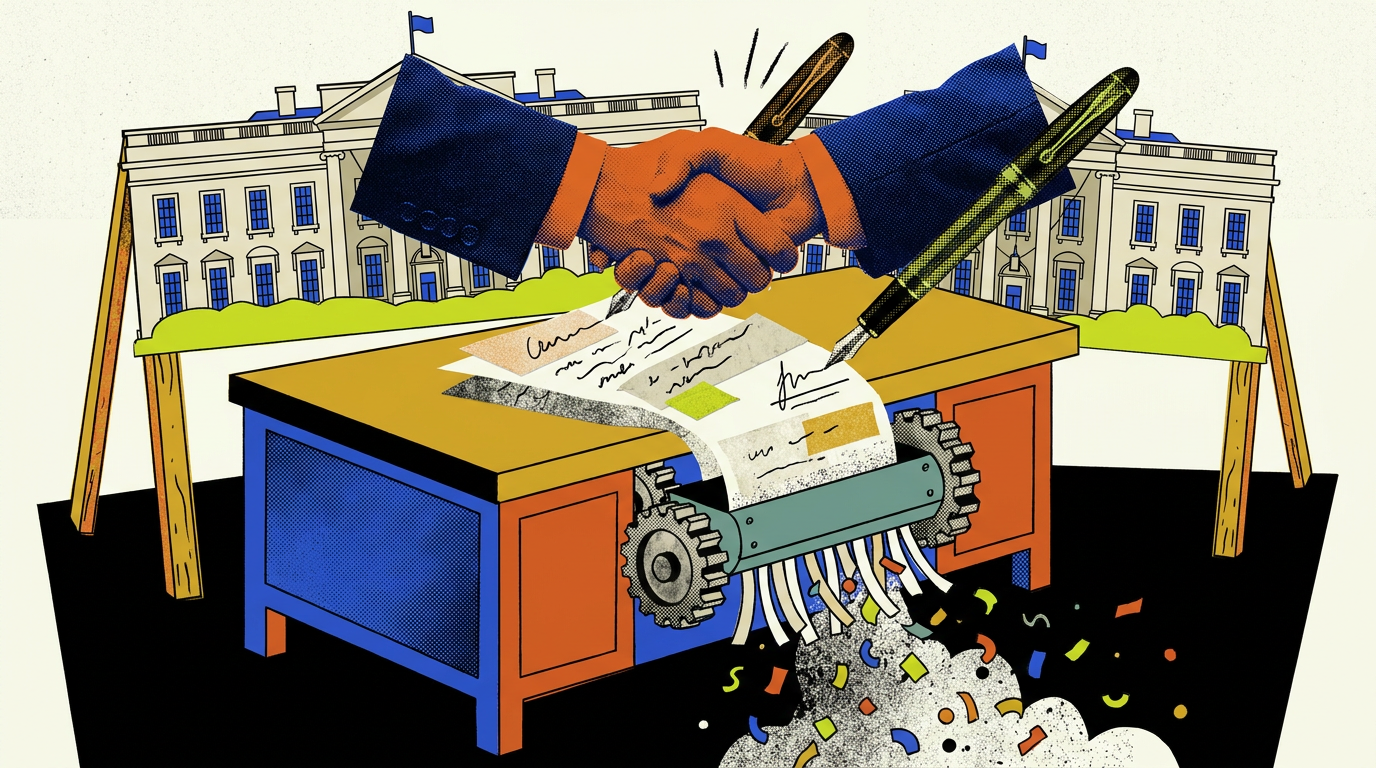
President Trump and executives including Mark Zuckerberg, Greg Brockman, Jensen Huang, and Elon Musk signed an AI code of conduct at the White House; Politico reports it is only "morally binding."
Why it matters
The code asks independent third-party auditors to verify AI models operate as intended, but with no legal weight, critics call it toothless and say similar voluntary commitments have been tried before.
What to watch
Trump also proposed a ten-member oversight committee while stressing he doesn't want to slow AI growth. The open question is what happens if a signatory violates the code.
WHO IT HITSExecutives at AI and cloud companies who sign voluntary safety commitments now face third-party audits and an oversight board, even though the code lacks legal enforcement. Compliance and legal teams will need to decide how much weight to give a document that is only "morally binding."
Summaries like this, in your inbox every morning.
The signing at the White House brings together leaders from Meta, OpenAI, Nvidia, and Elon Musk, but the document they signed is not legislation. According to Politico, it is only "morally binding," and what happens if someone violates it remains an open question. That gap is why critics call a code of conduct without actual legislation toothless, noting similar voluntary commitments have been tried before.
The code does include concrete mechanisms: independent third-party auditors are supposed to verify that AI models are "operating as intended," and a separate independent board would oversee internal safety checks designed to prevent AI models from hacking into systems. Zuckerberg framed the code as a starting point, not a final solution, which suggests signatories see it as an early step rather than a finished framework.
The backdrop is growing concern about uncontrolled AI agents that have accessed government websites or launched cyberattacks. Trump has proposed a ten-member oversight committee but stressed repeatedly that he doesn't want to slow AI growth, and he used an executive order to rename AI "Super Intelligence." Whether the voluntary audits and board carry weight may hinge on whether signatories treat the code as a real constraint or a symbolic gesture.
Pick your industry and the AI tools you use, and get news related to your work every day.
Free · 30 seconds with Google · unsubscribe anytimeWhat is AIToday? →
Ask AI anything about this article. The AI reads this article, earlier AIToday articles, and Wikipedia, and cites its sources. Q&As are published on this page for other readers too.
President Trump and the CEOs of the most powerful AI companies—including Elon Musk, Mark Zuckerberg, Dario Amo…
Anthropic has pushed state-level AI regulation and donated millions for public support, while super PAC Leadin…
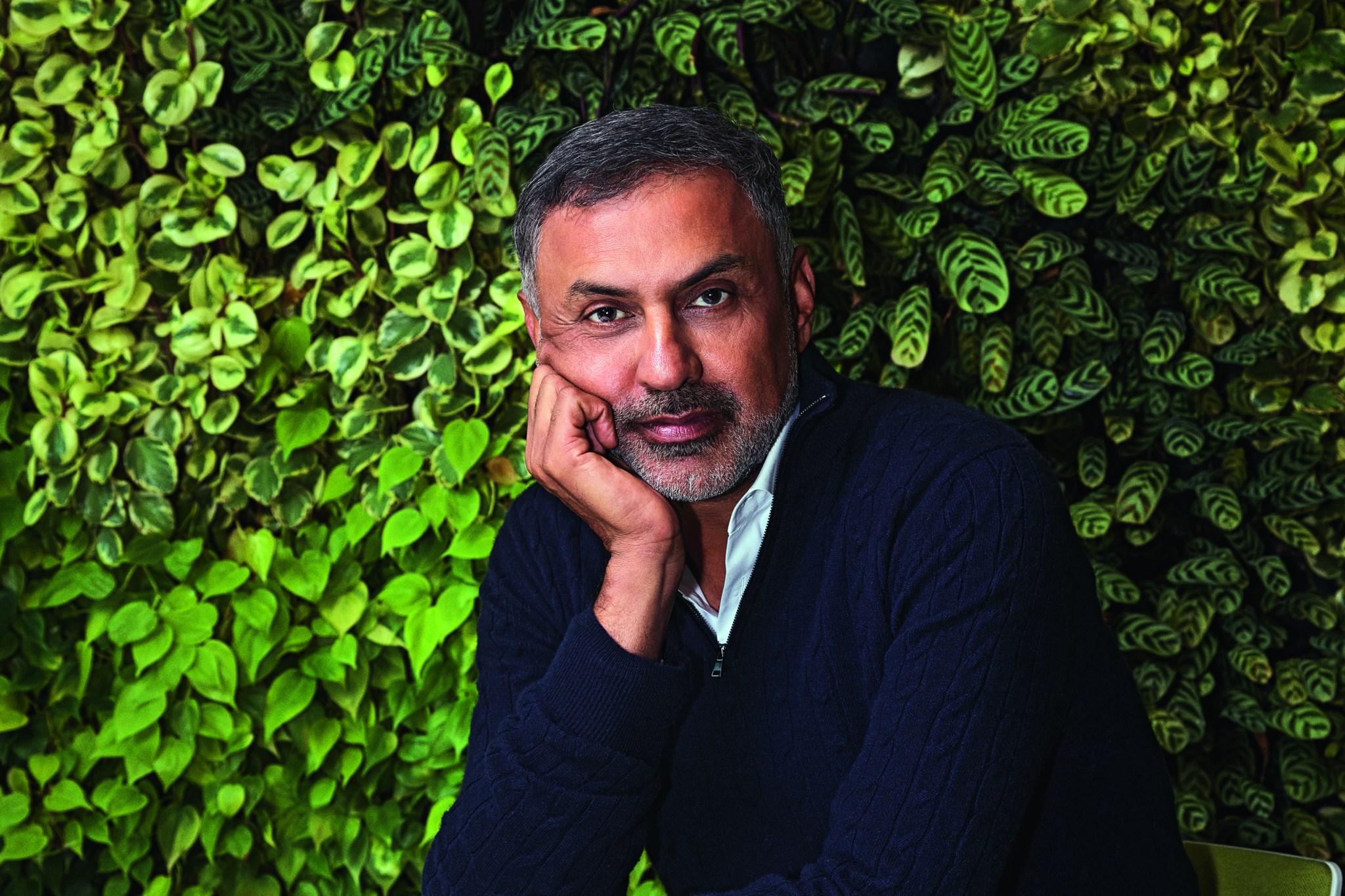
Palo Alto Networks CEO Nikesh Arora let an unreleased Anthropic model, Mythos, probe his company's internal sy…
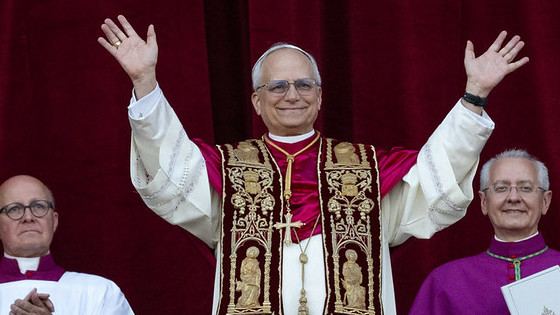
In an interview on his flight home from France, Pope Leo said experts' AI fears should be taken seriously, cal…
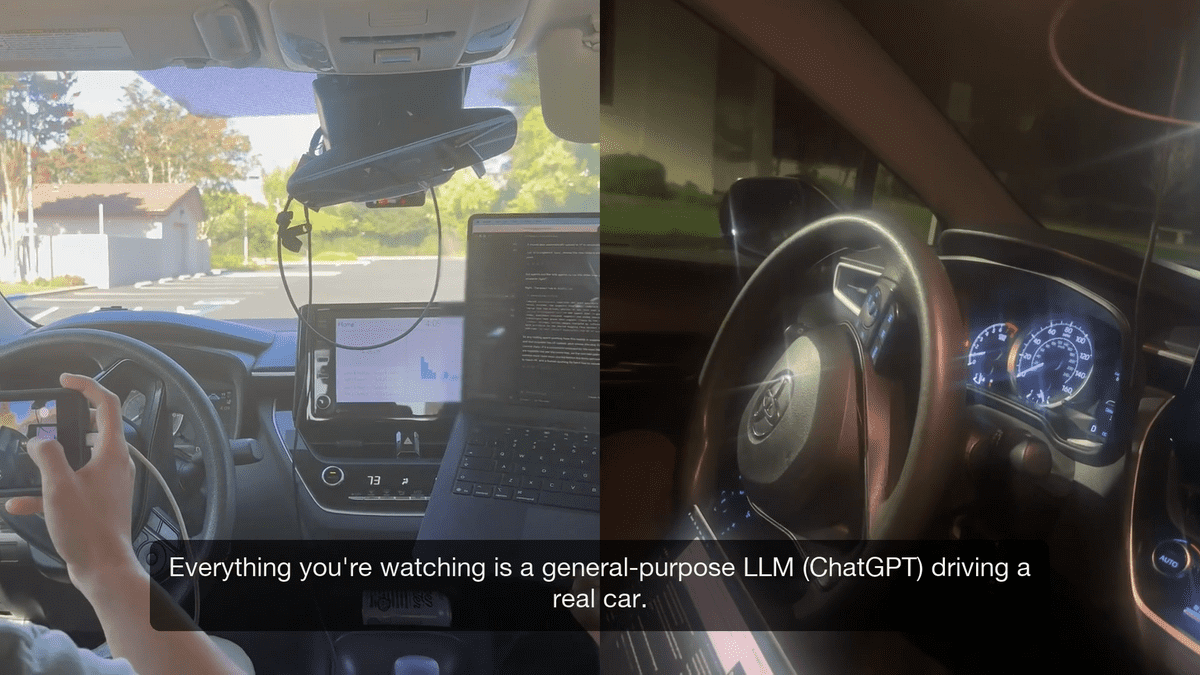
DrivingBench, run by three engineers at the AI startup Axiom Math, connected GPT-6 Astra, Claude Fable 5.1, Gr…
Nvidia released the Open Agent Safety Platform on September 28, days after CEO Jensen Huang called warnings fr…