What happened
Intuit's Dixie McCurley said continuous close — daily book closing — is now possible with AI, a goal 20 years in the making for her. She once cut a month-end close from 21 days to two.
Why it matters
Advice shifts from year-end cleanup to a running conversation, and judgment still fills gaps AI misses — one tool returned a correct amortization table, another a complete hallucination, she said.
Summaries like this, every morning.
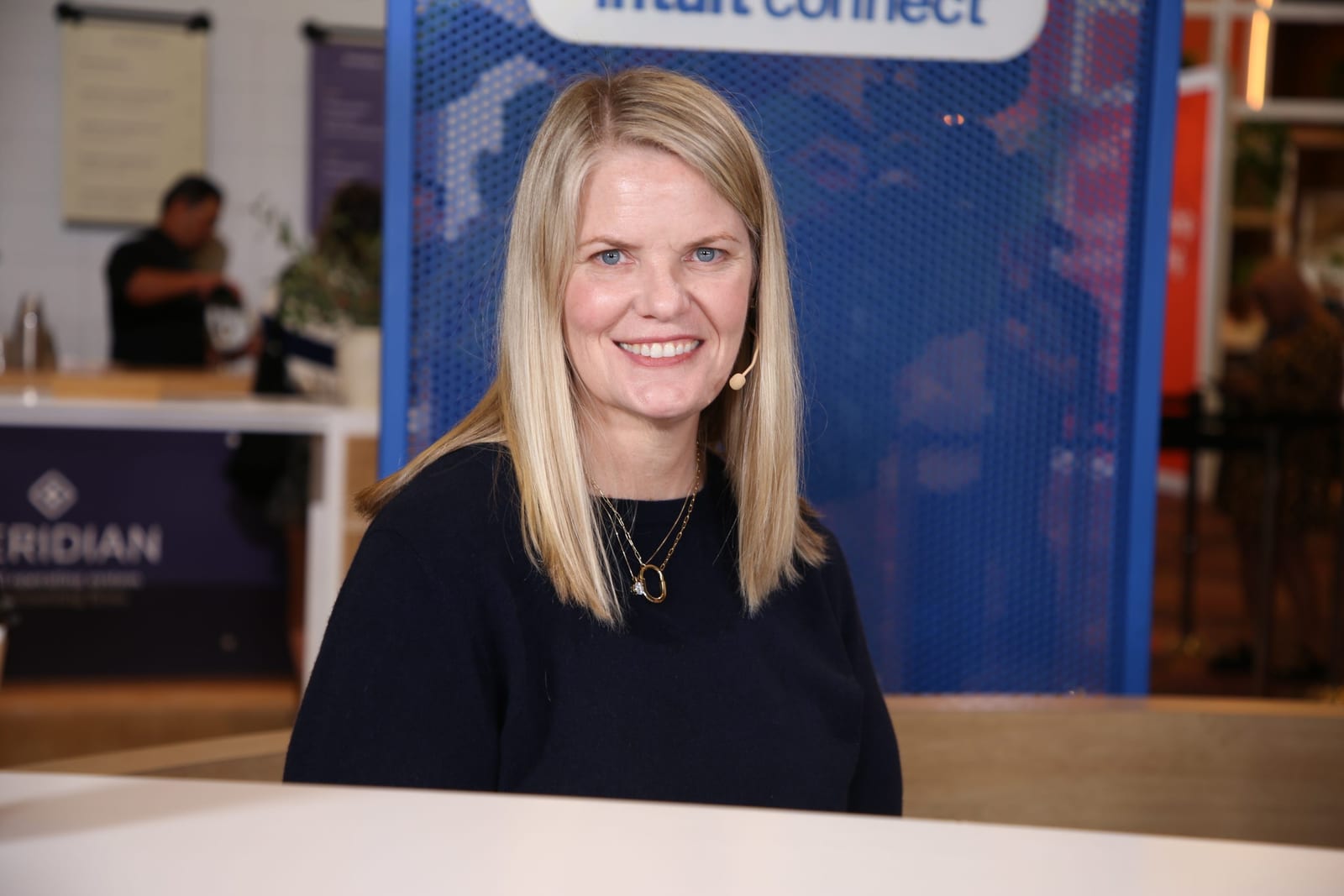
McCurley's comments, made at Intuit Connect during a theCUBE broadcast, frame continuous close as the payoff of a long effort. She learned years ago how to cut a month-end close from 21 days to two, and she describes daily closing as a goal 20 years in the making. The shift matters because advice no longer has to wait 21 days after close or four months until year-end.
The trust question is central. McCurley recalled a panel where the same amortization table, run through two AI tools, came back correct from one and as a complete hallucination from the other. She likened AI answers to junior accountants who try hard but may lack the context to know that a $5 million company runs differently from a $50 million one. That gap, she said, is where accountants earn their keep.
Intuit's product direction reflects this: an expanded intelligence platform for accountants, including Intuit Accountant Suite, aimed at firms juggling hundreds or thousands of client books. McCurley said efficiency is table stakes and that AI will open up creativity of the right brain — a view that positions the technology as a complement to judgment rather than a replacement.
Pick your industry and the AI tools you use, and get news related to your work every day.
Free · 30 seconds with Google · unsubscribe anytimeWhat is AIToday? →
Ask AI anything about this article. The AI reads this article, earlier AIToday articles, and Wikipedia, and cites its sources. Q&As are published on this page for other readers too.

