What happened
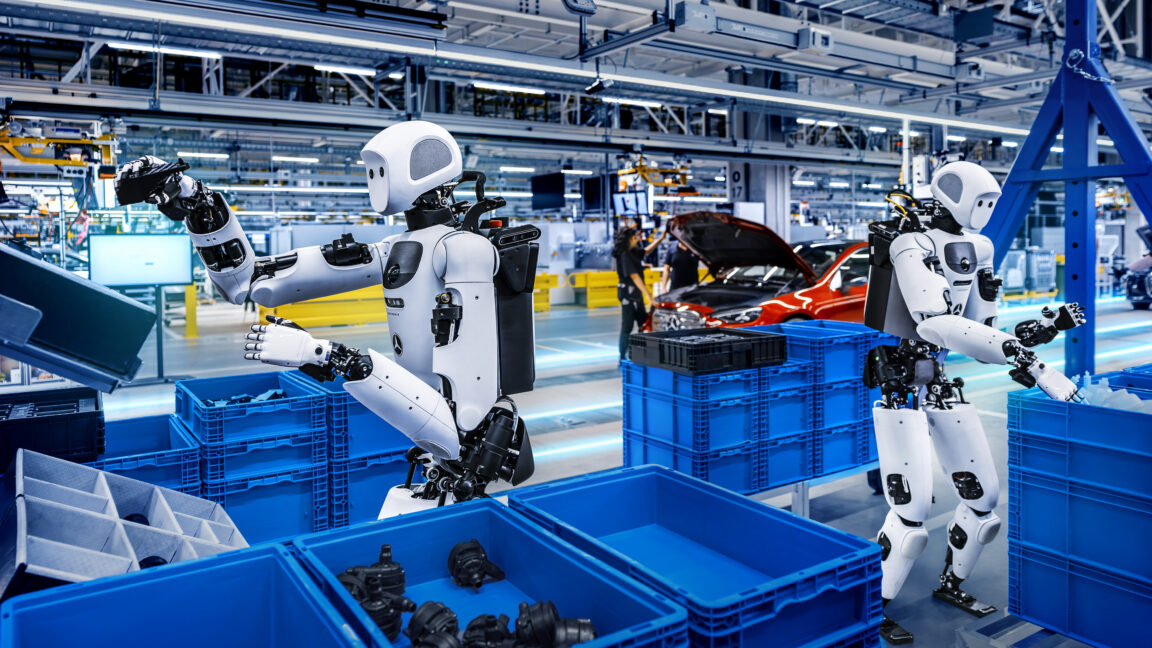
Google DeepMind unveiled Gemini Robotics 2.5, a vision-language-action model that generates robot movements. It scored a 96 percent success rate kitting automotive parts in European Mercedes-Benz factories and is 20 to 30 percent faster than the last version.
Why it matters
That 96 percent success rate in a real factory setting shows the model can handle some production work, but it still trails the near-perfect reliability of human workers on repetitive tasks.
WHO IT HITSFactory automation teams at automakers like Mercedes-Benz, who must weigh whether a 96 percent success rate is reliable enough for production lines, will be watching how quickly the last few percentage points close.
Summaries like this, every morning.
DeepMind's Gemini Robotics platform splits the work between two models: Gemini Embodied Reasoning, which plans from live video and instructions, and the vision-language-action model Gemini Robotics, now at version 2.5, which generates the actual robot movements. The new version was evaluated across more than 200 activities, including serving food with tongs and using a pipette. A standout demonstration involved Apptronik's Apollo 2 humanoid tying a bow with its five-fingered hands, a task made difficult because deformable objects like ribbon are hard for robots to manipulate.
The jump in performance comes partly from a simulation engine built with Gemini 4 Argon, which generated thousands of variations on practice runs from real-world camera data. These "digital twins" helped the model generalize new tasks and settings more quickly, though DeepMind still combined the synthetic data with traditional training demonstrations. Argon was also used to analyze failures, but not in real time, and the current 2.5 release still runs on cloud-based servers, so accuracy and speed gains come with some latency.
Safety remains a work in progress. Inference-time reasoning lets the robot stop or wait when obstacles or people are in the way, which DeepMind says allowed tasks to be completed 33 percent more often with obstacles present and 43 percent more often when people were nearby. The open source ASIMOV-Jailbreak benchmark, with 1,500 prompts designed to trick a robotic AI into unsafe actions, is DeepMind's attempt to push the industry toward a common safety standard; placing Argon in the loop yields a 98.8 percent jailbreak safety level, compared with 73.5 percent for Gemini Robotics ER 2 alone.
Pick your industry and the AI tools you use, and get news related to your work every day.
Free · 30 seconds with Google · unsubscribe anytimeWhat is AIToday? →
Ask AI anything about this article. The AI reads this article, earlier AIToday articles, and Wikipedia, and cites its sources. Q&As are published on this page for other readers too.
On Nov. 9, eight countries plus OpenAI's Sam Altman, Anthropic's Dario Amodei, Microsoft's Brad Smith, Mistral…

Bay AI Inc. launched with $50 million — a $37 million Series A led by Battery Ventures and a $13 million seed…

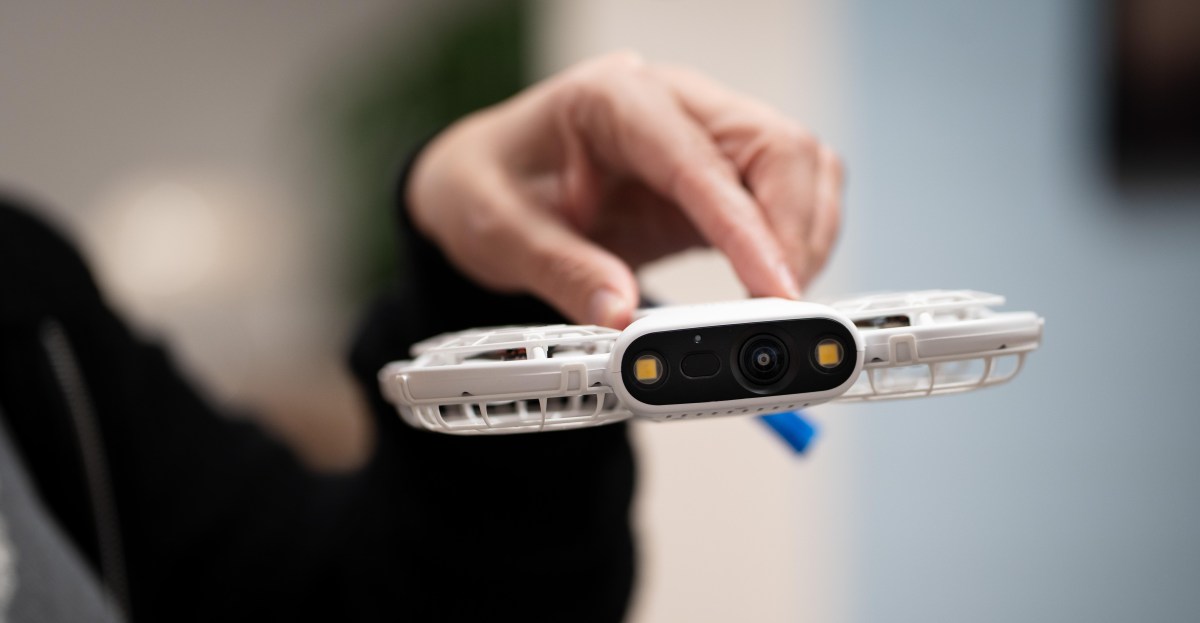
Ring founder Jamie Siminoff said at a New York City launch event that the Ring Drone Cam, an AI-powered indoor…
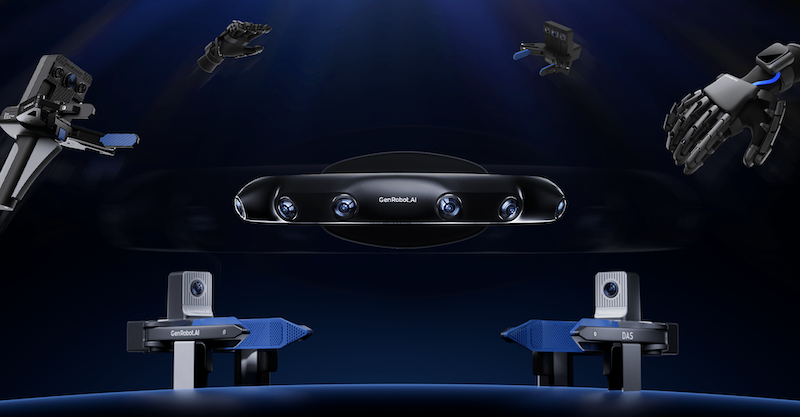
GenRobot AI raised $100 million in a Series A+ round, disclosed November 2, with SAIC Motor, Baidu, Galaxy Gen…
Devon Thomas quit Apple and founded Abliteration AI, which removes safeguards from open-weight models like Z.a…

Irene Solaiman, chief policy officer at Hugging Face, said on the Equity podcast that the permissive, data-ric…