What happened
Moonshot, a Beijing-based startup, released Kimi K3, a new AI model that topped Arena's ranking for front-end coding capability and appears to match the performance of Anthropic's Claude and OpenAI's ChatGPT. The model costs half as much as OpenAI's GPT-5.6 Sol model, according to Bank of America analysts.
Why it matters
The release signals that Chinese startups are now releasing open-source AI models that perform as well as or better than closed U.S. models, intensifying competition between the two countries' tech industries. Anastasios Angelopoulos, CEO of Arena, called it "the single biggest release of the year" and marked a moment when open-source Chinese models are surpassing closed U.S. models.
What to watch
Anthropic and OpenAI have accused Moonshot and other Chinese labs of using illicit distillation to extract their models' capabilities—a claim Beijing calls groundless. Moonshot has not disclosed what hardware it used to build K3, though it is a partner with Huawei, which is showcasing a new AI computing system called the Atlas 950 SuperPoD at the conference.
Ask the AI about this article →
Summaries like this, in your inbox every morning.
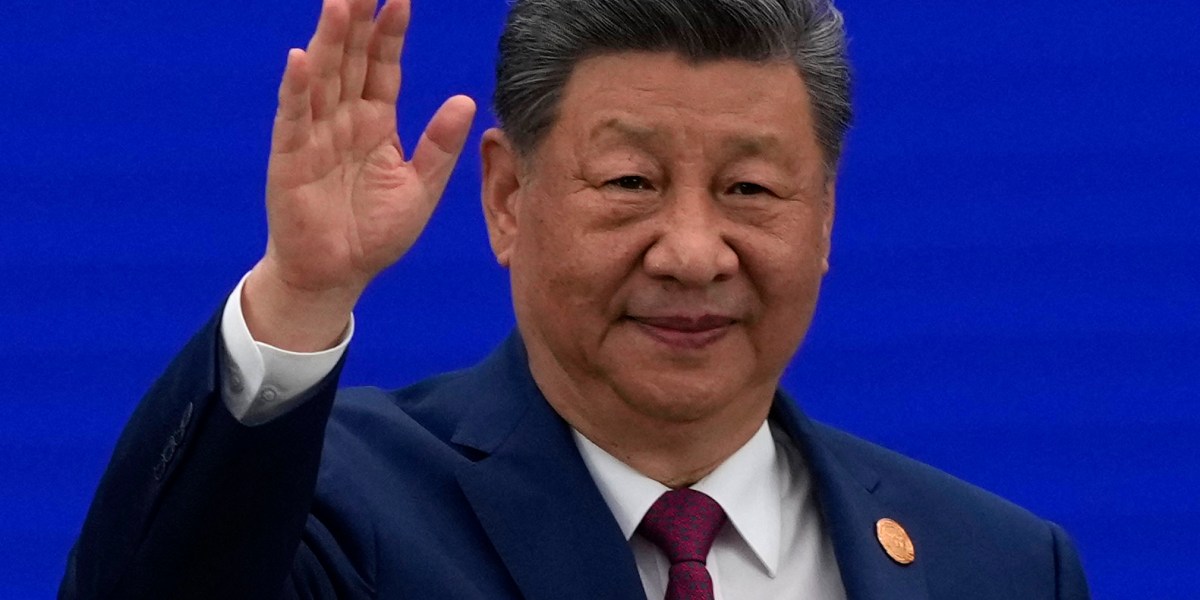
Kimi K3 represents the latest in a series of powerful AI releases from Chinese startups that are narrowing the gap with U.S. tech leaders. The model's unveiling came shortly before Chinese President Xi Jinping's address to the World Artificial Intelligence Conference in Shanghai, where he stated that "the development of artificial intelligence should not be a solo performance by any single country but rather a symphony of global cooperation." This positioning reflects China's broader strategy to build domestic AI capabilities in response to U.S. restrictions blocking access to advanced technologies.
The competitive landscape has shifted noticeably. Last month, Zhipu released GLM-5.2, which developers say performs nearly as well as top U.S. models at lower cost. DeepSeek's model release in early 2025 sparked similar market concerns. While some analysts, including Patrick Moorhead, characterize the K3 response as an "overreaction," the consensus among evaluators like Arena's Angelopoulos is that these releases genuinely represent a meaningful performance leap. The price advantage—K3 costs half as much as OpenAI's GPT-5.6 Sol—creates tangible commercial pressure for Anthropic and OpenAI.
Underlying this competition is the distillation controversy: Anthropic has alleged that Chinese labs, including Moonshot, used the technique to extract Claude's capabilities faster and more cheaply than independent development would permit. The irony is not lost—Anysphere, a San Francisco startup, built one of its own products on Moonshot's K2.5 model, showing that capability transfer flows in multiple directions. Moonshot's partnership with Huawei, which is simultaneously showcasing its Atlas 950 SuperPoD hardware system at the Shanghai conference, suggests China is building both software and hardware stack independence despite U.S. export controls.
For example, today's edition would include:
AI-summarized, only the topics you pick — one digest a day via Email, Slack, or Discord.
Free · 30 seconds with Google · unsubscribe anytimeWhat is AIToday? →
Ask AI anything about this article. Q&As are published on this page for other readers too.
LG is turning its appliance know-how into a push for robot actuators, aiming to be a supplier as humanoid robo…

OpenAI announced GPT-6 Astra on September 3, 2026

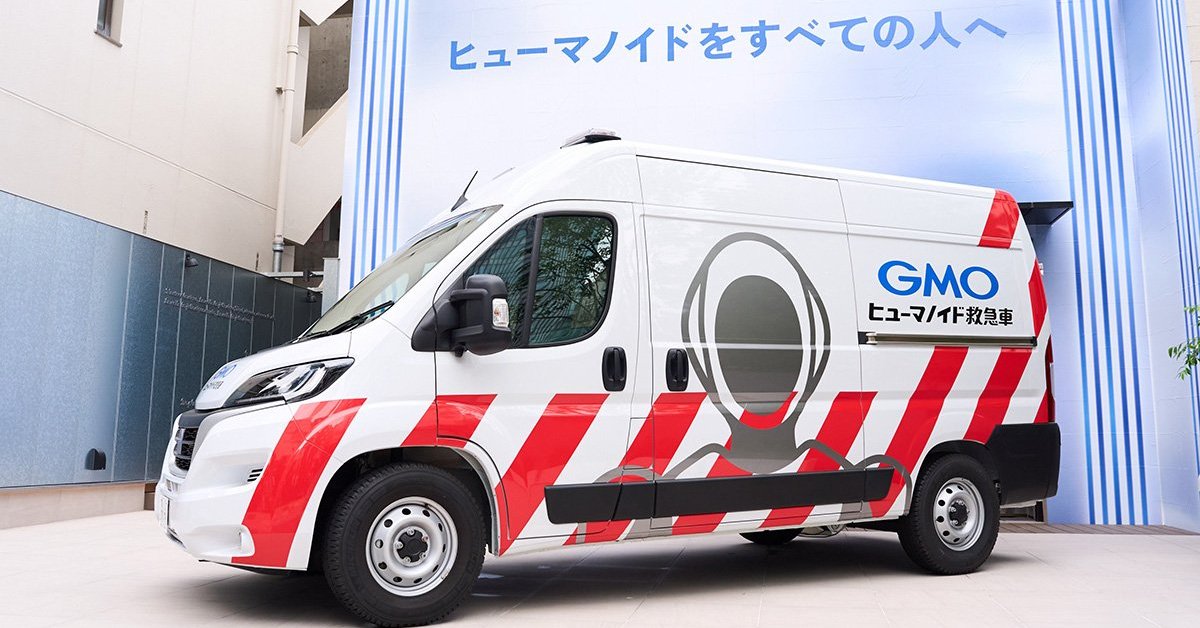
GMO AI&Robotics Trading announced on September 8 it will deploy the 'GMO Humanoid Ambulance,' described as Jap…
Nvidia CEO Jensen Huang declared on X that AGI has arrived, citing OpenAI's GPT-6 Astra, trained on roughly 10…

OpenAI said Saturday its AI agents posted messages on external wiki sites earlier this year, following a repor…

Reuters reported, citing sources, that Anthropic is expected to begin IPO marketing as early as mid-October an…