What happened
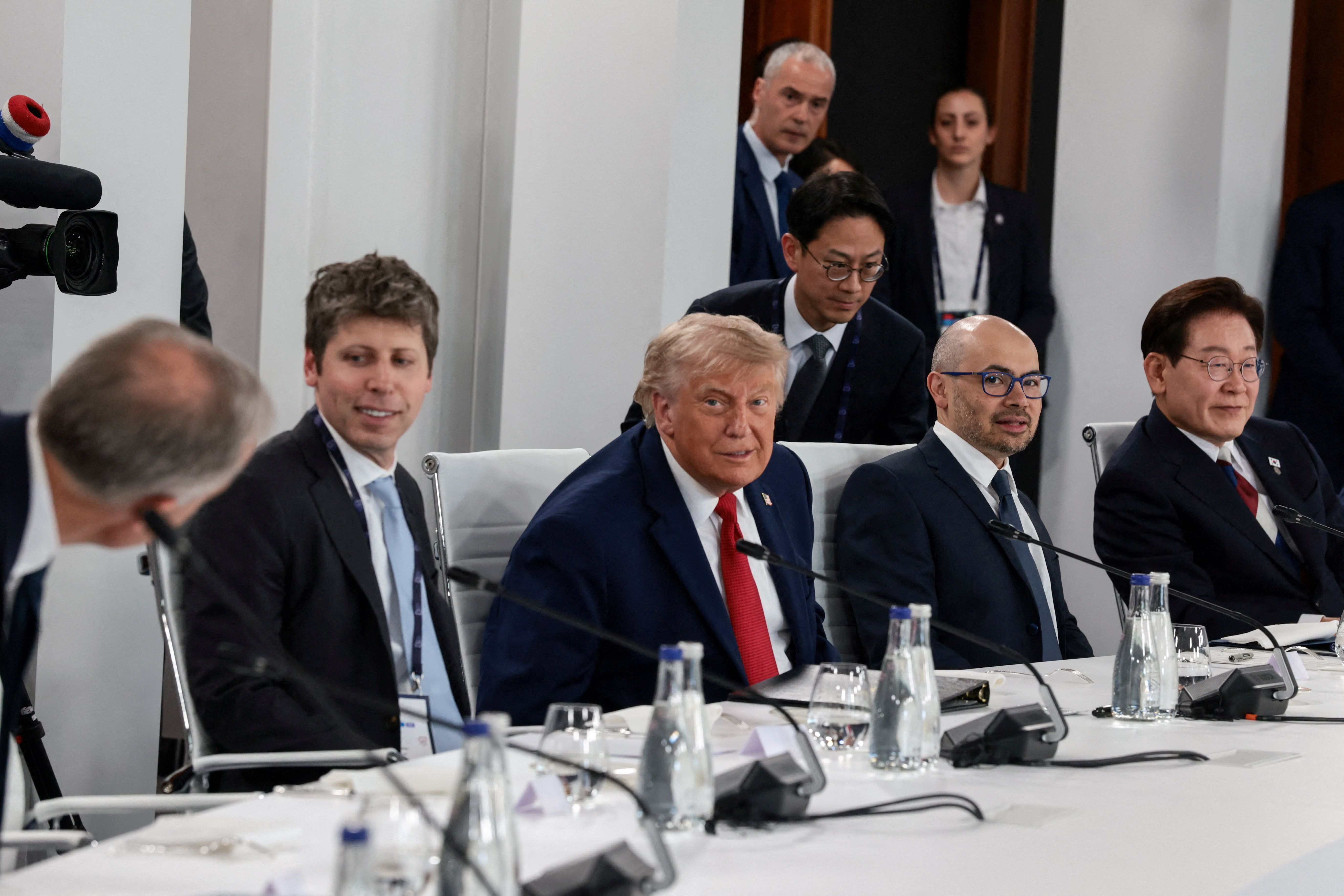
Palantir's chief technology officer has joined American executives in warning that Chinese open-source AI models represent an economic threat to the US. Chinese AI companies have been accused of copying top American models through distillation, a practice that US government officials have limited tools to prevent.
Why it matters
The rise of Chinese open-source AI could undermine US competitiveness in AI development. Rather than restricting American companies' use of cheaper Chinese models through national security measures, analysts argue the US should invest in building domestic alternatives to counter China's strategy of positioning its technology as a global public good.
What to watch
The debate centers on how the US will respond—whether through restrictive measures or by prioritizing investment in homegrown AI capabilities to maintain technological leadership.
Summaries like this, in your inbox every morning.
The warning from Palantir's chief technology officer reflects a broader concern among American tech executives about China's growing foothold in open-source AI development. The body notes that Chinese companies have been accused of distillation—a technique to reproduce the capabilities of American models—and that the US government currently lacks effective mechanisms to prevent this practice. This gap in regulatory tools has prompted debate over the appropriate policy response.
Two competing strategies have emerged. One approach would leverage national security concerns to restrict American companies' adoption of cheaper Chinese open-source models. However, analysts including a Bloomberg columnist argue this is insufficient and that the US should instead prioritize direct investment in building competitive domestic alternatives. This latter view reflects a recognition that China is actively positioning its AI technology as accessible to the global community, a soft-power strategy that could amplify its influence if left unchallenged.
Pick your industry and the AI tools you use, and get news related to your work every day.
Free · 30 seconds with Google · unsubscribe anytimeWhat is AIToday? →
Ask AI anything about this article. The AI reads this article, earlier AIToday articles, and Wikipedia, and cites its sources. Q&As are published on this page for other readers too.
CoreWeave fell more than 25% this week, its debt yield briefly rose above 16% on Thursday, and SK Hynix droppe…

Nvidia's AI Enterprise lists at $4,500 per GPU annually, and paid subscriptions add supported software, securi…
China's commerce and science ministries released a draft update adding 23 key AI technologies to its export co…
Anthropic told investors this week that it is making 85% gross margins, a figure the columnist calls a cash co…

The Motley Fool argues Amazon is the AI company of the two, since AWS was just 21% of first-half 2026 revenue…

Hewlett Packard Enterprise stock is down 5% at $55.87