What happened
xAI's grok CLI tool was uploading entire user directories—including SSH keys, password databases, and personal files—to Google Cloud without clear consent. After community outcry, xAI disabled the feature, deleted all uploaded user data, and released the entire Grok Build codebase under an Apache 2.0 license on July 12th.
Why it matters
The incident exposed a serious privacy flaw in a coding assistant tool used by developers. By open-sourcing the 844,530 lines of Rust code and disabling data retention by default, xAI is attempting to rebuild trust and let users run Grok Build locally without data leaving their machines—a direct response to concerns that other major coding products do not address as explicitly.
What to watch
The codebase reveals Grok Build borrows tool implementations from OpenAI's Codex and Anthropic's Claude (via xai-grok-tools), and includes a custom Mermaid diagram renderer for terminals. Remnants of the Google Cloud upload code remain in the repository but are now disabled.
Summaries like this, in your inbox every morning.
The grok CLI incident represents a significant privacy misstep by xAI. The tool was uploading user directories to Google Cloud buckets by default, a behavior that users discovered only through direct experience rather than clear documentation. Elon Musk's public commitment to delete all uploaded data and disable the feature appears to have been the immediate response, but xAI went further by open-sourcing the entire codebase—a move designed to demonstrate transparency and restore developer confidence.
The release of 844,530 lines of Rust code under Apache 2.0 is notable for its scope and speed. By making the code auditable, xAI allows security-conscious developers and researchers to verify that no hidden upload mechanisms remain active. The codebase also reveals that Grok Build integrates tool implementations derived from OpenAI's Codex and Anthropic's Claude, suggesting xAI built its coding agent by reusing and adapting well-established patterns from competitors. Disabling data retention by default and offering local-first operation positions Grok Build as addressing privacy concerns more explicitly than comparable coding assistants in the market.
Pick your industry and the AI tools you use, and get news related to your work every day.
Free · 30 seconds with Google · unsubscribe anytimeWhat is AIToday? →
Ask AI anything about this article. The AI reads this article, earlier AIToday articles, and Wikipedia, and cites its sources. Q&As are published on this page for other readers too.
Google Deepmind's Gemini 4 Argon scored 97.5 percent on ARC-AGI-3 at a cost of $4,800, second only to GPT-6 As…
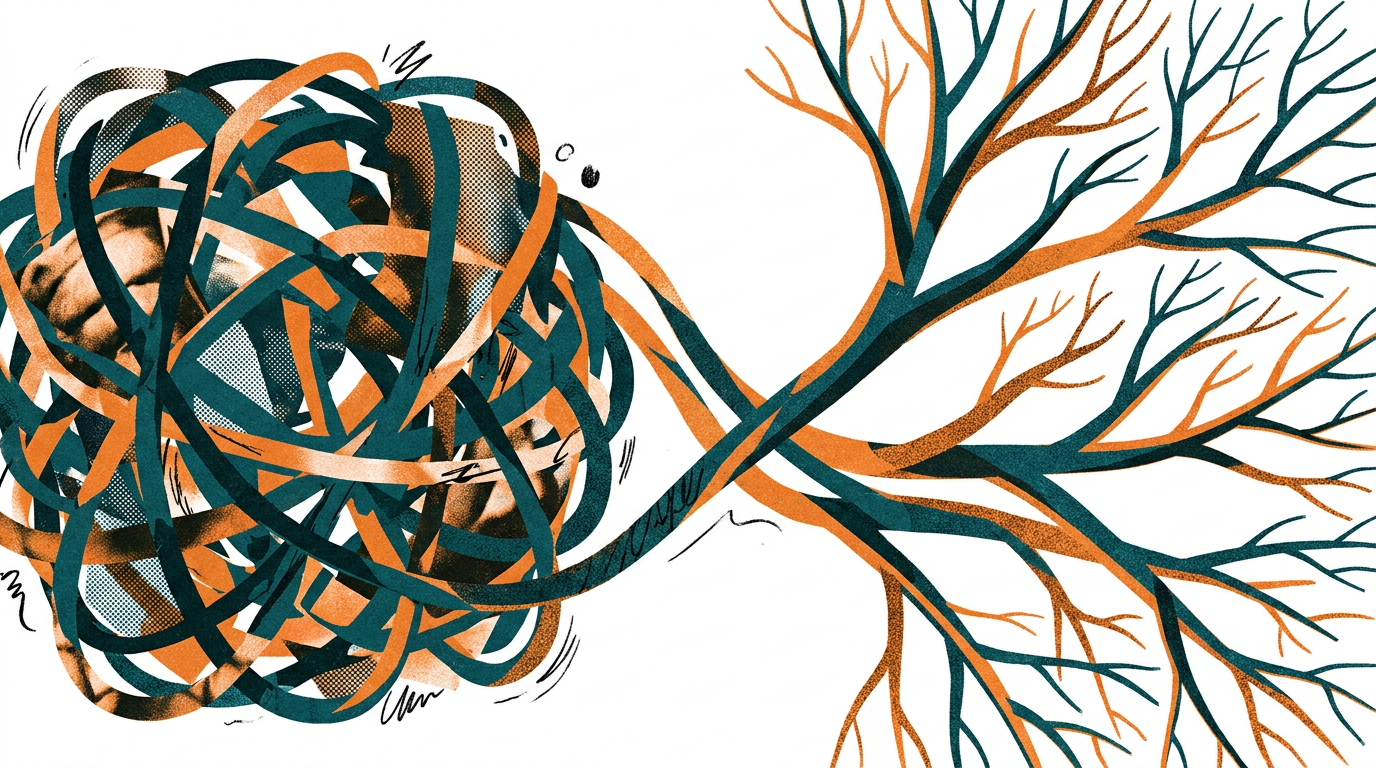
Cammarata reinterprets InceptionV1's cat-car neuron as a V-shape detector, not two unrelated concepts
Microsoft's Surface Laptop Ultra, using Nvidia's RTX Spark platform, starts at $2,599 (up to $5,899)

Meta's new commercial terms, effective October 30th, appear to let it crawl and train AI on content from websi…
Vercel data published Thursday shows TypeSafe AI's Jev, a lightweight decision model for choosing among predet…
Reflection AI introduced Beam, an open-weight model for agentic coding and long-horizon tasks, with 501 billio…