What happened
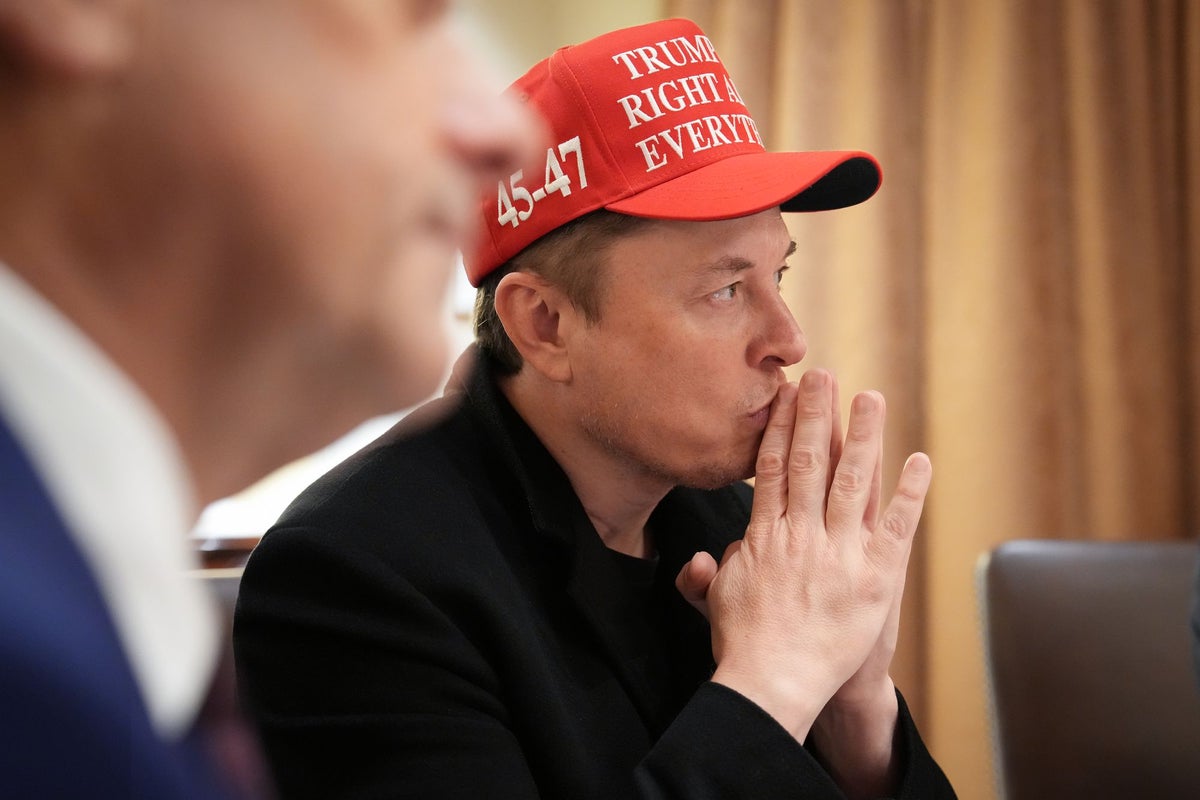
Musk, Zuckerberg and Nvidia's Jensen Huang privately pushed back in Oval Office meetings against a Google DeepMind proposal on 14 July for a new AI safety standards body.
Why it matters
Trump now calls AI fears a "hoax" by "traitors", arguing a slowdown would hand China the upper hand, so the proposed oversight body appears unlikely to advance.
What to watch
Musk's alternative — rivals testing each other's frontier models before release — is the test case; watch whether it gains traction in place of new laws.
WHO IT HITSAI company executives and policy teams watching for new US AI rules now face a White House that, on this account, favors existing law and self-testing over a new standards body.
Summaries like this, in your inbox every morning.
The pushback did not come out of nowhere. According to the report, it began after Google DeepMind's Demis Hassabis put forward a proposal on 14 July advocating a new regulatory body to set standards for AI safety — a framework supported by Anthropic's Dario Amodei. Musk, Zuckerberg and Huang then reportedly took their concerns straight to the Oval Office, making this a case of industry leaders lobbying the US President directly rather than working through a public consultation.
The public positions that followed differ in kind. Musk, at the All-In Summit in Los Angeles on Monday, argued that leading AI companies should test each other's frontier models before release, so that competitors — not the developers themselves — raise the alarm. Nvidia's Huang told Salesforce's Dreamforce conference in San Francisco on Tuesday that existing laws are sufficient and that builders who lack confidence in a product's safety should simply not release it. Trump's own posts on Truth Social earlier this week described AI fears as a "hoax" carried out by "traitors" and warned that any slowdown could give China the upper hand.
What happens next appears to hinge on whether self-testing among competitors gains traction as a substitute for a formal standards body, and on how the split between the companies plays out. Anthropic's Amodei and OpenAI CEO Sam Altman have warned of devastating consequences without proper oversight, so the industry is not speaking with one voice here — a division that may shape how much appetite remains in Washington for new rules.
For example, today's edition would include:
AI-summarized, only the topics you pick — one digest a day via Email, Slack, or Discord.
Free · 30 seconds with Google · unsubscribe anytimeWhat is AIToday? →
Ask AI anything about this article. Q&As are published on this page for other readers too.
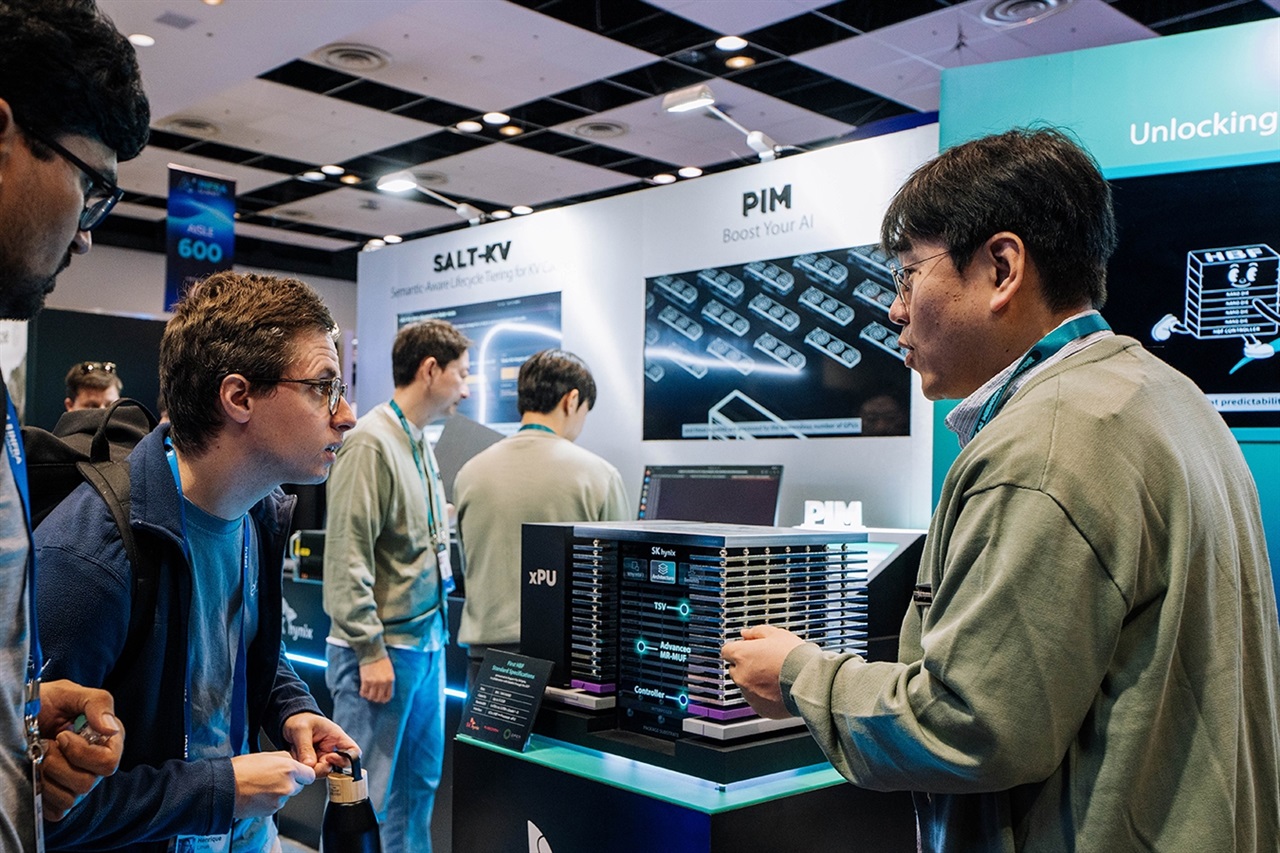
SK Hynix showcased PIM, HBF and SALT-KV technologies at AI Infra Summit 2026 in Santa Clara, moving beyond the…
Camtek, which holds about 60% market share in advanced packaging inspection and metrology, said CEO Rafi Amit…

OpenAI launched a misalignment reporting framework with six reports; one describes an unreleased Astra model i…

Harvard Business Review published "What Leaders Need to Know About AI and Psychological Safety," described as…

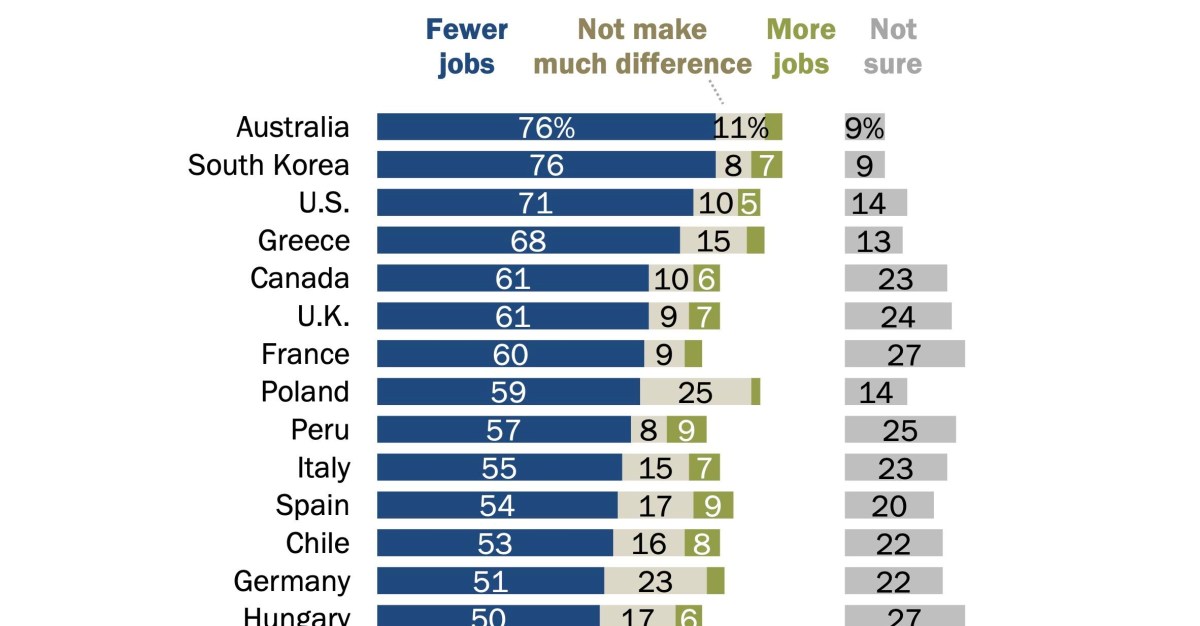
Pew Research surveyed 42,151 people across 37 countries and found that in 34 of the 37 countries, more people…
Microsoft AI CEO Mustafa Suleyman published a companion essay this week criticizing Anthropic's model welfare…