What happened
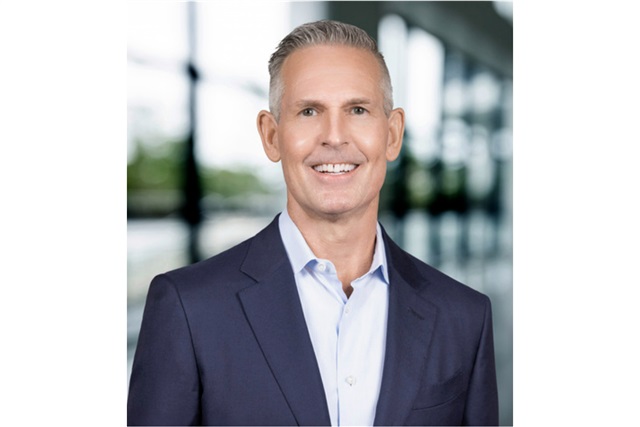
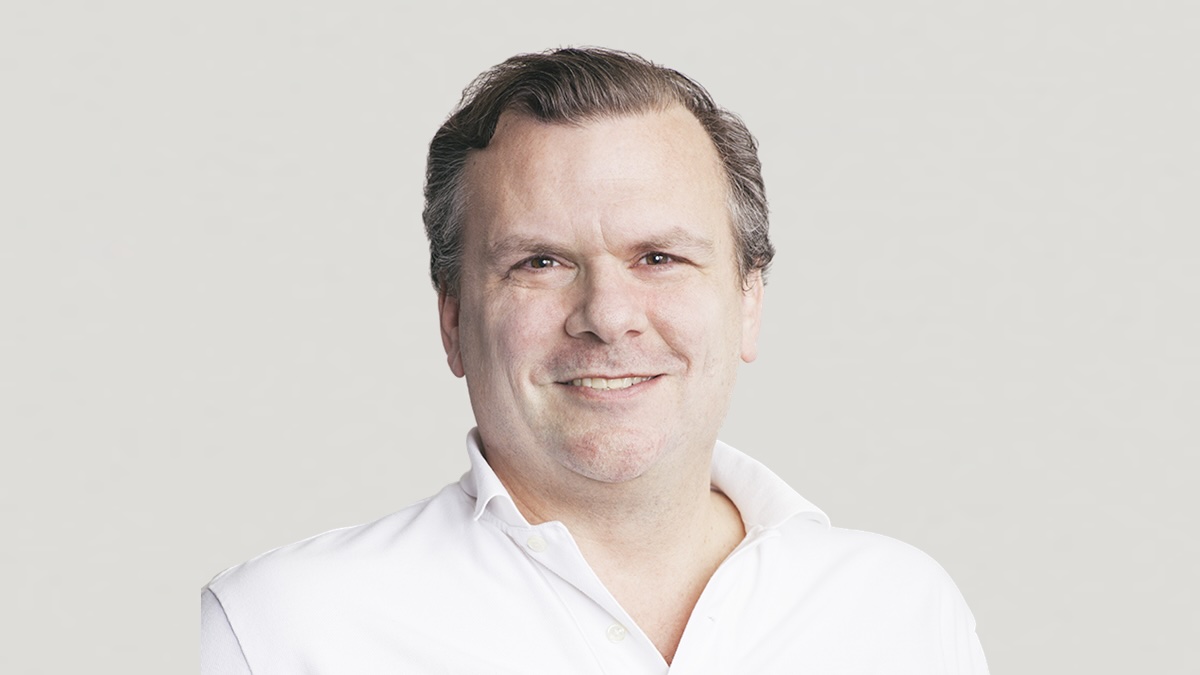
Eric Schadt, a computational biology expert and former chief scientist at Pathos AI, is departing that role to advise Pfizer as its first AI Scholar while also launching a new stealth-mode startup. Schadt will remain Dean for Precision Medicine at the Icahn School of Medicine at Mount Sinai.
Why it matters
Schadt is a veteran biotech entrepreneur with a track record spanning roles at Roche, Merck, Pacific Biosciences, and Sema4; he has published over 500 scientific papers with an H-Index of 165 and has appeared on lists of the world's most influential scientists. His advisory role at Pfizer signals the pharmaceutical giant is betting on AI to reshape its R&D strategy and drug discovery process.
What to watch
Schadt's stealth startup is focused on precision medicine, built on the principle of starting with individual patient data and using AI to guide treatment decisions. At Pfizer, he will work with teams to shape AI strategy and build proprietary models.
Summaries like this, in your inbox every morning.
Schadt's move reflects a broader trend of pharmaceutical companies recruiting top AI and computational talent to overhaul their R&D operations. His career trajectory—from research scientist roles at Roche and Merck, through biotech ventures including the AI-driven health intelligence company Sema4, to chief scientist at Pathos AI—demonstrates how expertise in computational biology and AI has become central to drug discovery. Pathos AI itself was a partnership between Tempus and AstraZeneca aimed at building multimodal foundation models to identify cancer drug targets and develop treatments, placing Schadt at the frontier of AI applications in biomedicine. Pfizer's decision to create an AI Scholar role and hire Schadt underscores the company's intention to embed AI expertise at the strategic level rather than confining it to individual projects. Simultaneously, Schadt's launch of a new stealth startup indicates sustained entrepreneurial momentum among leading computational biologists, suggesting the field remains fertile for new ventures focused on translating AI capabilities into patient-level precision medicine.
Pick your industry and the AI tools you use, and get news related to your work every day.
Free · 30 seconds with Google · unsubscribe anytimeWhat is AIToday? →
Ask AI anything about this article. The AI reads this article, earlier AIToday articles, and Wikipedia, and cites its sources. Q&As are published on this page for other readers too.
In Q2, billionaires or their funds sold six 'Magnificent Seven' AI stocks
Nvidia was rising early Friday, even as the wider chip sector kept falling, Barron's reported
ElevenLabs completed a $300 million employee tender at a $22 billion valuation, and co-founder Mati Staniszews…
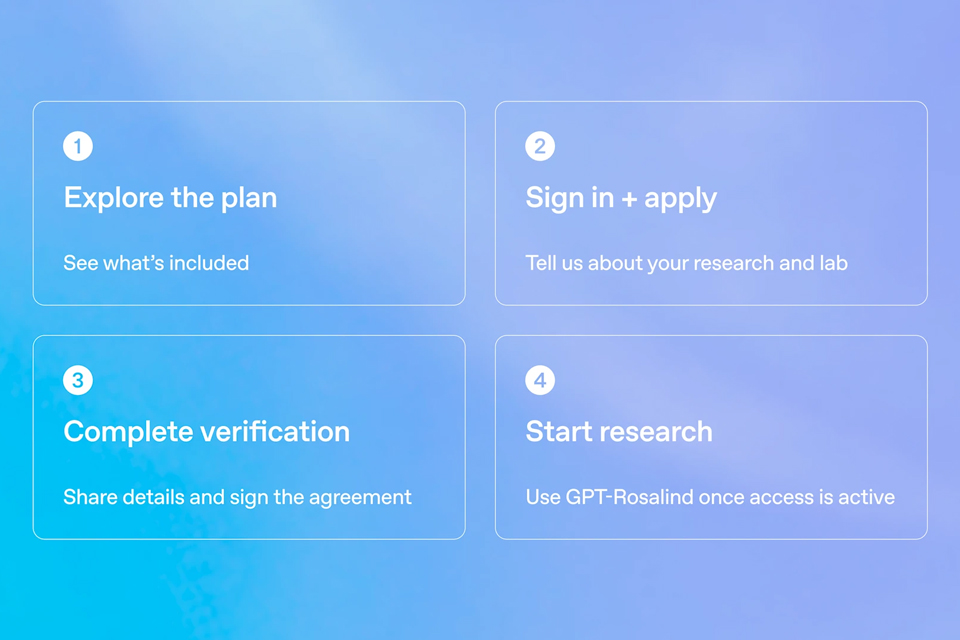
On October 15, OpenAI announced the Rosalind Academic Plan, giving approved US university labs free access to…
Neostellar Capital principal Evan Schlossman said CoreWeave's $103.7 billion in remaining performance obligati…
Supermicro Computer appointed Mark Long as chief financial officer, bringing an experienced technology finance…