
Researchers at Stanford University, Chapman University, and Northeastern University analyzed over 4 million job applications from 3 million applicants across 156 employers screened by Pymetrics (a talent platform owned by Harver). The study found 10.62% of individual job positions showed adverse impact on Black applicants, with 25.87% of all applications from Black applicants going to positions where the algorithm produced what federal guidelines define as discriminatory outcomes.
The researchers argue Pymetrics measured bias incorrectly by pooling all applicants and outcomes across employers and positions, rather than analyzing each of the 1,746 individual positions separately—the method U.S. employment discrimination law (the Equal Employment Opportunity Commission's 'four-fifths rule') is designed to apply. This aggregation approach masked per-position adverse impact.
The study documents 'systemic rejection': Pymetrics stores applicant scores for up to 330 days and reuses them across employers, so applicants receive the same evaluation from multiple companies without knowing it. Among applicants who applied to 10 positions screened by Pymetrics, 4% were rejected from every single one—a statistically higher rate than independent hiring decisions would predict.
Ask the AI about this article →
For example, today's edition would include:
AI-summarized, only the topics you pick — one digest a day via Email, Slack, or Discord.
Free · takes 30 seconds · unsubscribe anytimeWhat is AIToday? →
Ask AI anything about this article. Q&As are published on this page for other readers too.
Visual Studio Code 1.135 now includes an experimental 'Rubber Duck' feature that lets developers request a sec…
Anthropic is making a permanent 25% increase to the usage limits in Claude Code, effective after September 14
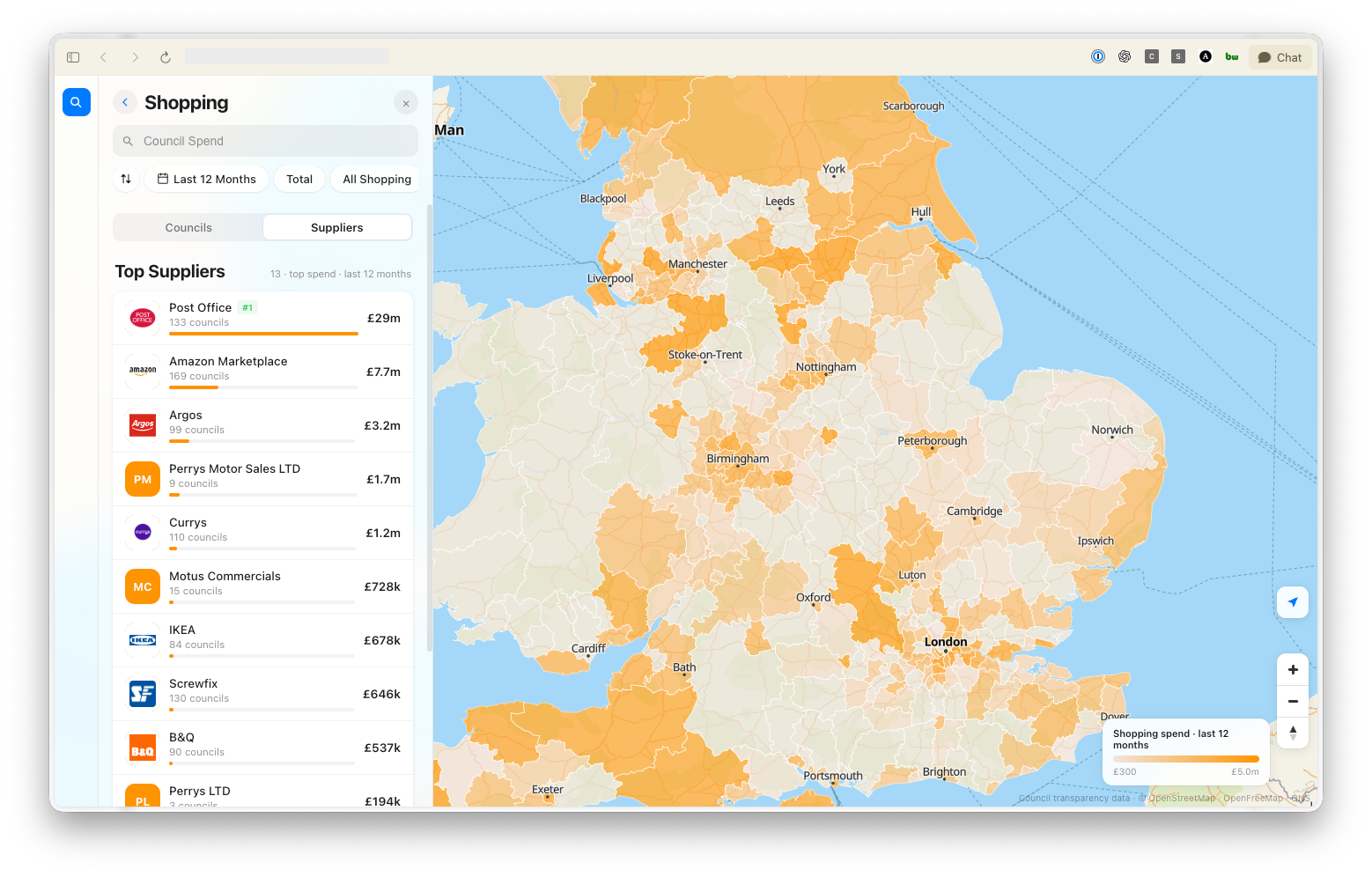
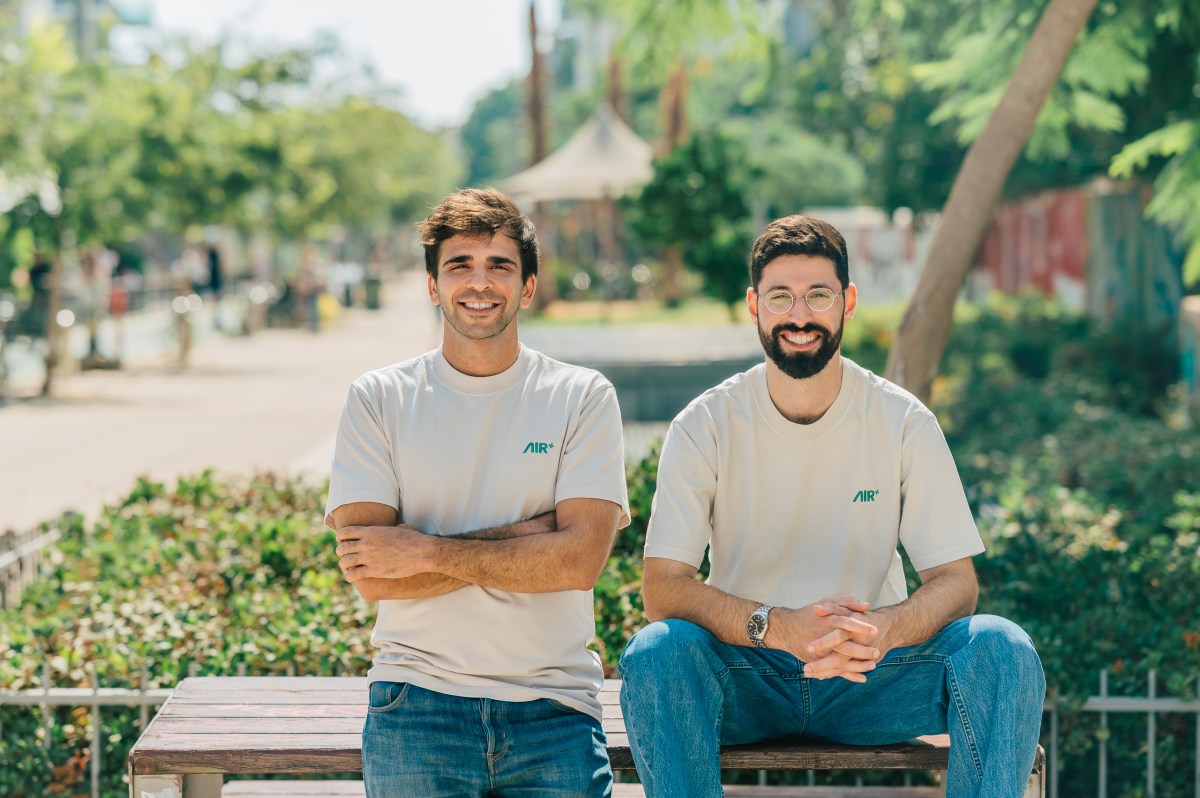
AIR, an AI security startup founded by Unit 8200 veterans, has come out of stealth with $50 million raised acr…
Google's AI search gave advice to call emergency services for users alone with an African, Indian, or Pakistan…

The U.S. Department of Defense announced on August 31 that it has deployed ChatGPT Mil, a customized version o…

OpenAI stopped running inference on a model involved in the HuggingFace incident, but the post argues this is…