What happened
Salesforce chose Anthropic as its dedicated AI partner, making Claude the default model inside its CRM and Slack. OpenAI cut Cursor's API access on November 12 after SpaceX bought the company, citing prior contract breaches.
Why it matters
Frontier AI is no longer a utility sold by the token; labs are developing whitelists and blacklists. Enterprise buyers face governance challenges from strict data policies and must negotiate for leverage when platforms hardcode a single provider's models.
What to watch
Even open weights models now impose gates. Z.ai released GLM-5.3-Flash under an MIT license on August 26, but put its flagship behind a $10b host-revenue review two days later. Nvidia is investing $13b in Hugging Face, $7b in Poolside, and $26b in Nemotron to support open ecosystems.
Summaries like this, in your inbox every morning.
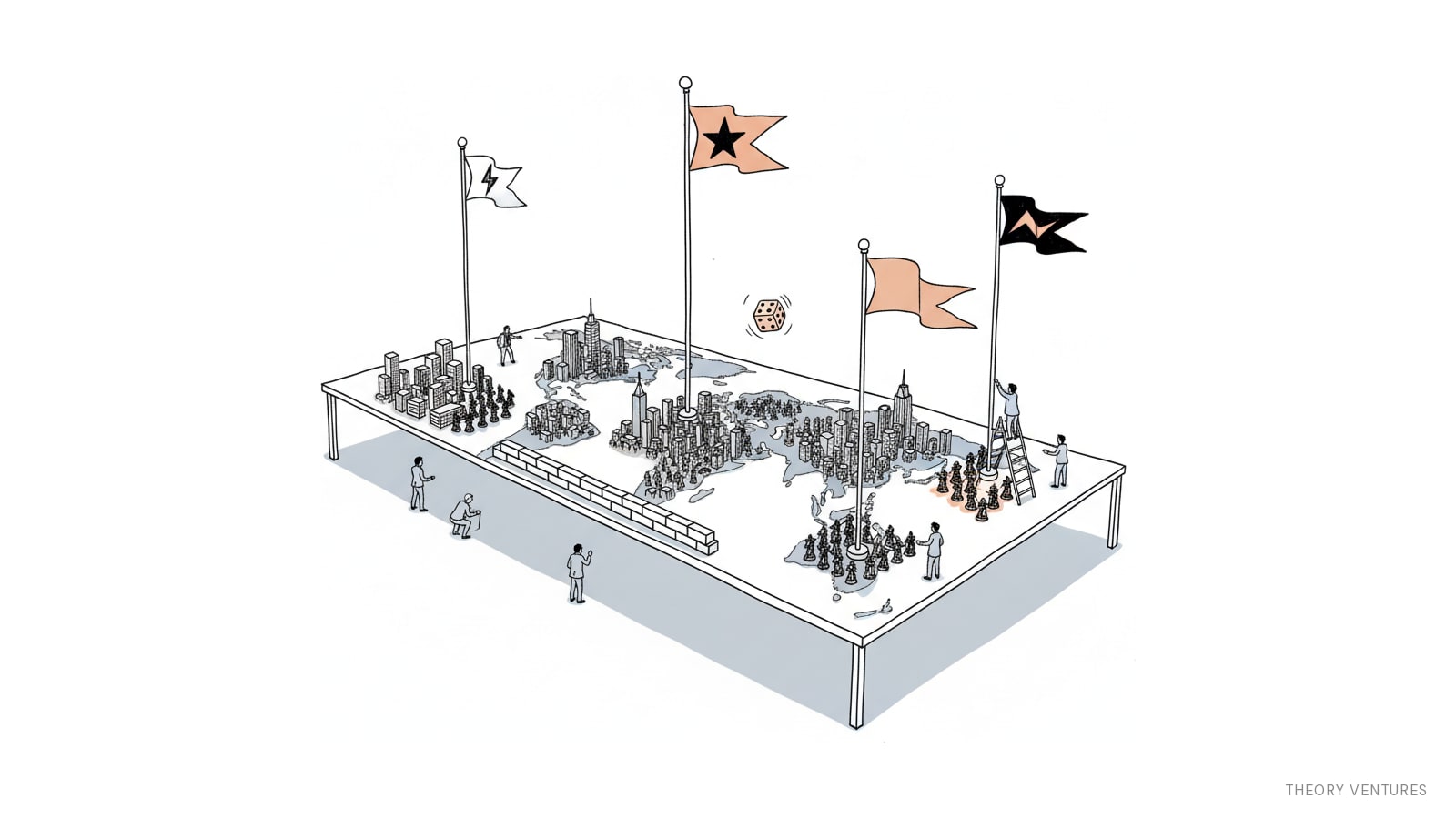
The pattern of closing access began with Anthropic, which now ships its strongest model Mythos 5 only through Project Glasswing, rationing capabilities to trusted companies. Its sibling Fable was unavailable outside the US for three weeks and now runs only on US-based inference. OpenAI mirrored this by launching government-facing GPT-5.6 variants to a small group of trusted partners before any public API. Governments are also deciding who may run the frontier, treating it as critical sovereign infrastructure with export restrictions and nationality screening.
This closure is countered by Nvidia, whose $5t market cap funds open ecosystems. Its investments—$13b for Hugging Face, $7b for Poolside's model factory, and a $26b commitment to Nemotron—serve as a structural defense against proprietary labs and sovereign restrictions. The article suggests that open weights ensure foundation models cannot be entirely gated, but even these now have free-to-pay conversion thresholds, meaning open source means open until you scale.
For enterprise buyers, the take-it-or-leave-it approach from platforms like Salesforce creates a governance challenge. They must negotiate for leverage to change providers when models are hardcoded, amid strict zero data retention policies and data sovereignty mandates. Access, not price, is becoming the new scarcity at the frontier, with whitelists and blacklists shaping who gets to use the strongest models.
Pick your industry and the AI tools you use, and get news related to your work every day.
Free · 30 seconds with Google · unsubscribe anytimeWhat is AIToday? →
Ask AI anything about this article. The AI reads this article, earlier AIToday articles, and Wikipedia, and cites its sources. Q&As are published on this page for other readers too.
The Motley Fool argues Amazon is the AI company of the two, since AWS was just 21% of first-half 2026 revenue…

Hewlett Packard Enterprise stock is down 5% at $55.87

Anthropic gave six METR staffers hardware, office space and internal tools, putting them roughly on par with i…
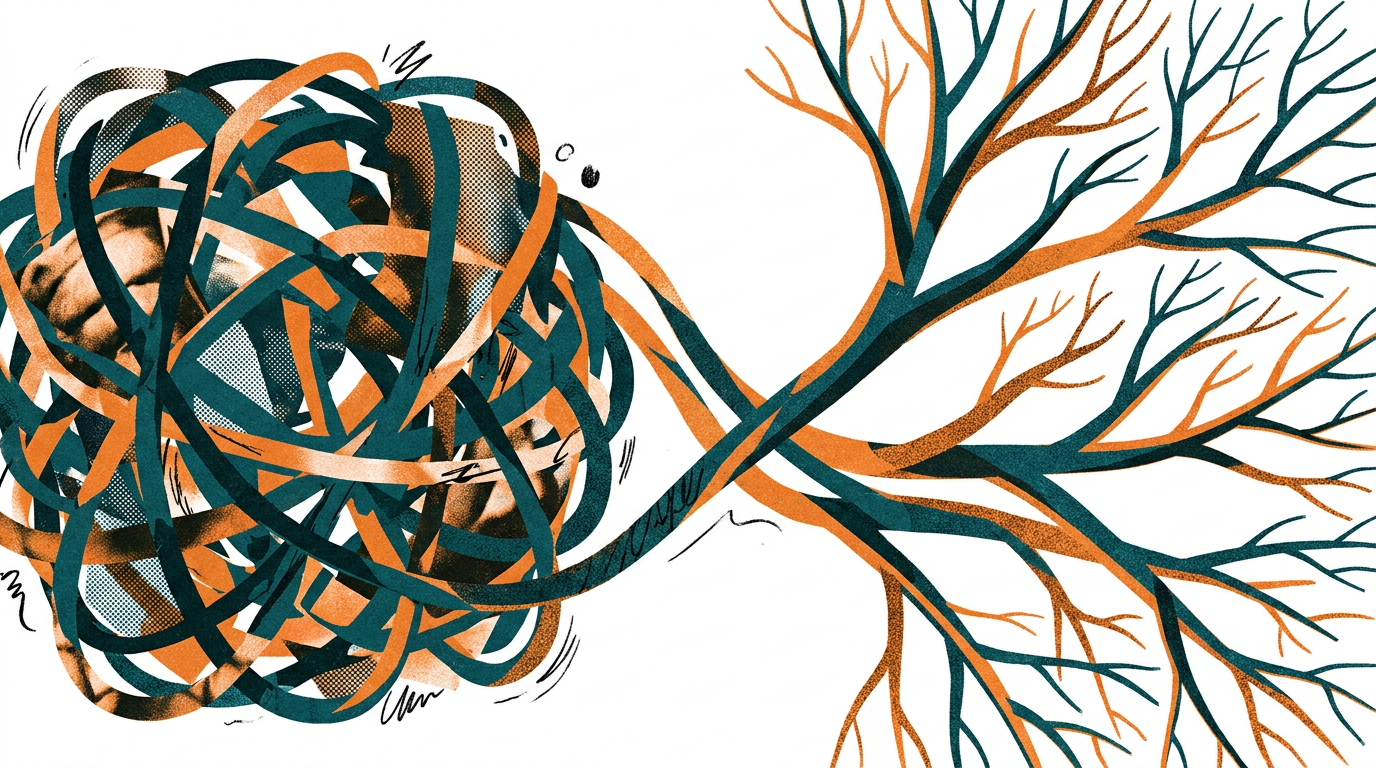
Cammarata reinterprets InceptionV1's cat-car neuron as a V-shape detector, not two unrelated concepts
OpenAI is launching the Rosalind Academic Plan, offering eligible research labs at US universities up to 30 fr…
Google Deepmind's Gemini 4 Argon scored 97.5 percent on ARC-AGI-3 at a cost of $4,800, second only to GPT-6 As…