What happened
Alibaba agreed to sell Lingxi Games, the studio behind the mobile game Three Kingdoms: Strategy Edition, to private-equity firm Trustar Capital for a reported valuation of between $1.5 billion and $2 billion. CEO Zhou Bingshu said the move allows Alibaba to focus on "strategic priorities."
Why it matters
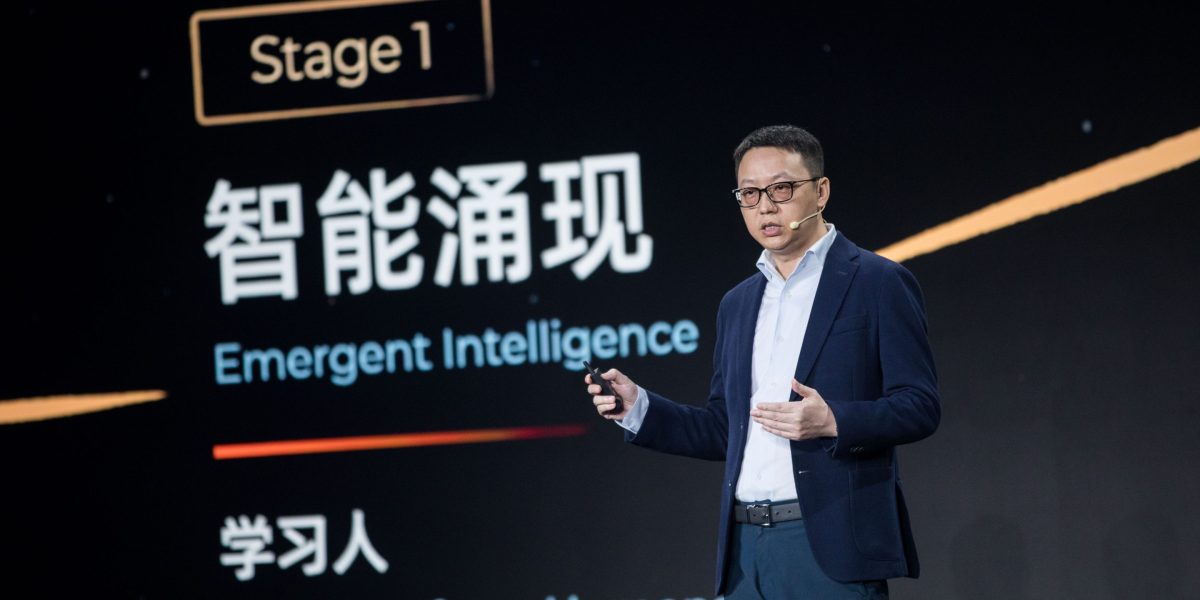
The sale marks Alibaba's exit from in-house game development as the company redirects resources toward AI and cloud computing—sectors at the center of Beijing's economic strategy. In February last year, Alibaba pledged about $53 billion over three years to AI and cloud infrastructure, and in May CEO Eddie Wu indicated the company would likely exceed that figure. Alibaba is targeting $100 billion in AI revenue by 2031.
What to watch
Alibaba's Qwen open-weight AI models saw more than 3 billion downloads over the previous six months, placing Alibaba ahead of Meta and Google by that measure. The company is maintaining a strong position in Chinese cloud while developing what analysts describe as a credible AI strategy, though competition remains fierce.
Summaries like this, in your inbox every morning.
Alibaba's sale of Lingxi Games reflects a broader strategic recalibration forced by intensifying domestic competition. When Alibaba's e-commerce dominance was generating abundant cash flow, the company could afford to diversify across multiple industries—what analyst Rui Ma describes as "many pieces on the board." But the rise of competitors including Pinduoduo and Meituan has narrowed that luxury. Gaming itself was never a core strength for Alibaba; rival Tencent holds that mantle globally. By contrast, AI and cloud computing represent areas where Alibaba already possesses meaningful assets—it entered the AI boom with one of China's leading cloud businesses already operational, providing both infrastructure for AI products and a path to monetization.
The timing and focus of this divestment also signal alignment with Beijing's own priorities. Usha Haley, a researcher on Chinese state industrial policy, observes that strategic decisions by large Chinese companies cannot be separated from government priorities, and the government's interest in AI and cloud infrastructure is "clearly communicated." Alibaba's Qwen open-weight models—which have been downloaded more than 3 billion times over the previous six months, outpacing Meta and Google on that metric—underscore that the company has a credible position from which to compete. The $53 billion three-year pledge to AI and cloud, likely to be exceeded, and the $100 billion AI revenue target by 2031, indicate that Alibaba is betting heavily on these sectors as its future growth engine.
Pick your industry and the AI tools you use, and get news related to your work every day.
Free · 30 seconds with Google · unsubscribe anytimeWhat is AIToday? →
Ask AI anything about this article. The AI reads this article, earlier AIToday articles, and Wikipedia, and cites its sources. Q&As are published on this page for other readers too.
Holtek Semiconductor unveiled its 2026 product roadmap on October 15, focusing on four core areas: smart prote…
Supermicro Computer appointed Mark Long as chief financial officer, bringing an experienced technology finance…

TSMC reported about NT$763.1b in Q3 net profit and confirmed that demand for advanced processors is running ah…

Nvidia-backed CoreWeave steadied Thursday after a sharp slump, as investors worried about the debt financing b…
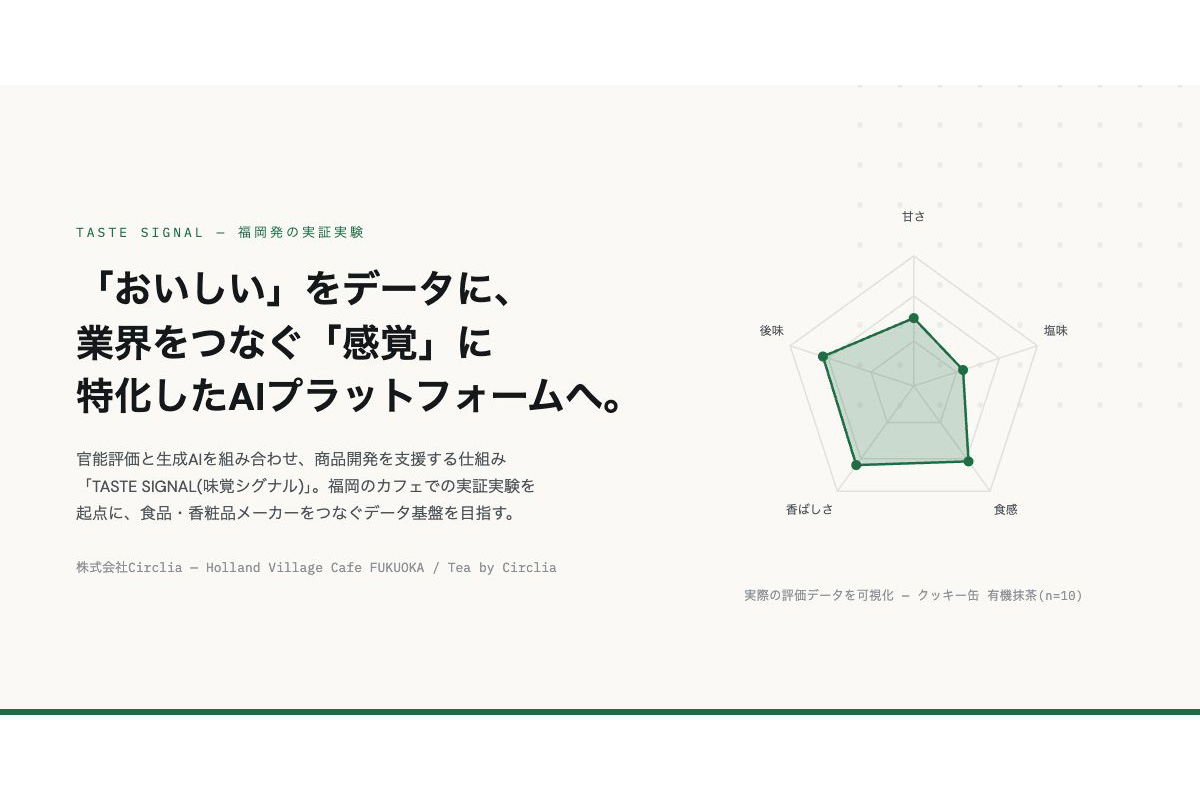
Circlia started a proof-of-concept for TASTE SIGNAL: visitors to Holland Village Cafe FUKUOKA taste cookies an…
TOPPAN Holdings and Keio University ran a quantum-computer and generative-AI proof-of-concept from February 1…