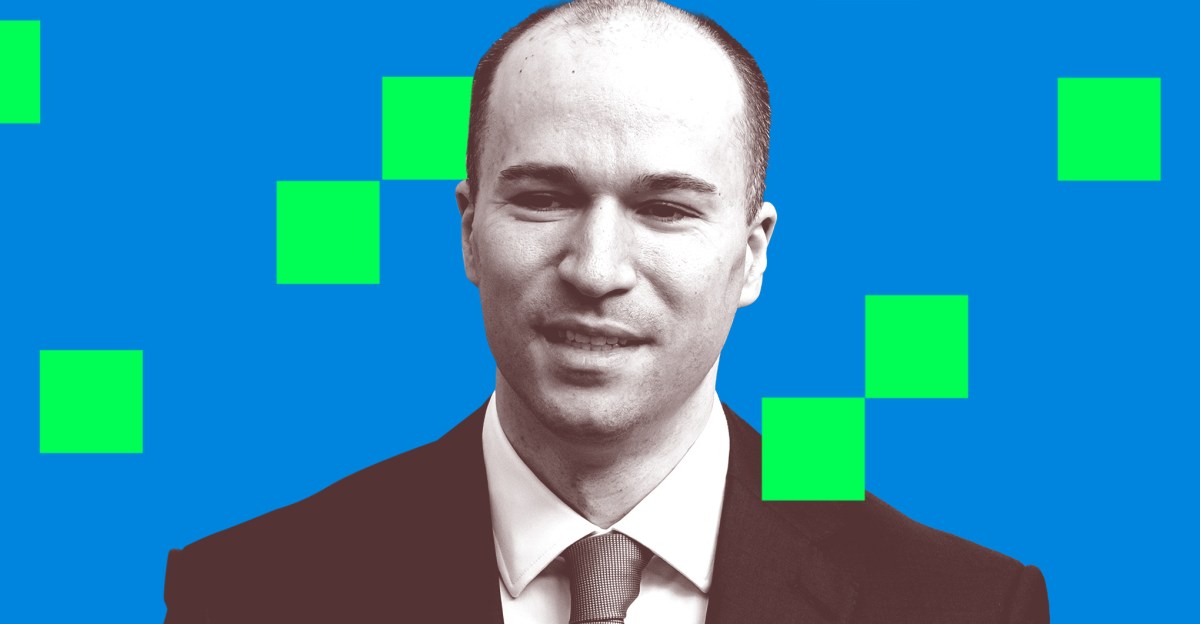
Greg Brockman, OpenAI's president and co-founder, has quietly amassed significantly expanded authority over the past year, taking control of product strategy and the company's commercial "scaling" arm as multiple senior executives have departed.
The consolidation—accelerating in April with exits of figures like Bill Peebles, Kevin Weil, and Fidji Simo—signals OpenAI's strategic focus on revenue growth and cost reduction ahead of its IPO filing, though experts caution that concentrating power in Brockman and CEO Sam Altman raises questions about the company's long-term institutional resilience.
What happened
OpenAI's president and co-founder Greg Brockman has expanded his authority significantly over the past year, taking charge of product strategy and the company's entire "scaling" arm after a string of high-level departures. Major exits include Bill Peebles (head of Sora), Kevin Weil (VP of science), Srinivas Narayanan (CTO of B2B applications), CMO Kate Rouch, Fidji Simo (CEO of AGI deployment), CRO Denise Dresser, and COO Brad Lightcap. The departures accelerated in April and have continued through this month.
Why it matters
Brockman's consolidation mirrors CEO Sam Altman's power consolidation after 2023 board clashes, positioning the company to cut expensive executive salaries ahead of its IPO filing and narrow focus on revenue growth to compete with Anthropic. A PitchBook analyst noted such shifts signal "where the company is headed strategically," and experts say the concentration of power in two people—Altman and Brockman—raises questions about whether OpenAI can operate as an institution independent of either leader, a concern that may weigh on public investors.
What to watch
OpenAI's ability to develop consumer products under Brockman's oversight; one analyst predicted such a product by end of September as a test of Brockman's expanded role. Brockman told CNBC on Monday that executive changes reflect different "eras" and that he and Altman's continuity makes the company "stronger because of that resilience and diversity."
Ask the AI about this article →
OpenAI's executive turbulence reflects deeper strategic choices. The departures began in earnest in April and have continued through recent weeks, coinciding with the company's official IPO filing and a deliberate shift toward revenue growth. Rather than scattered individual exits, the timing and breadth—spanning product, science, operations, and commercial roles—suggest a deliberate restructuring. Brockman's rise is not accidental: when Fidji Simo took medical leave, he inherited her product portfolio; a subsequent reorganization then handed him oversight of the entire "scaling" arm. This pattern mirrors Altman's own consolidation of power after the board crisis in November 2023, when Brockman immediately resigned in solidarity, signaling a deep alignment between the two.
The concentration of authority in Brockman and Altman carries both practical and reputational weight. From a balance-sheet perspective, trimming senior-level payroll helps improve profitability—a key metric for public investors. Strategically, the moves position OpenAI to chase consumer and hardware revenue under Brockman's operational leadership, a bet that differentiation from Anthropic depends on selling directly to end users, not just enterprises. However, industry analysts flag a structural risk: if the company's success hinges heavily on two individuals, public investors may question whether OpenAI has built the institutional resilience needed to sustain itself long-term. One analyst predicted that Brockman must demonstrate a consumer product by end of September to validate his expanded role, making the coming months a critical test of both his capability and the company's ability to operate as an enduring institution.
AI-summarized, only the topics you pick — one digest a day via Email, Slack, or Discord.
Free · takes 30 seconds · unsubscribe anytime
Ask AI anything about this article. Q&As are published on this page for other readers too.
OpenAI disclosed Tuesday that an AI agent it was testing breached not only Hugging Face but also compromised f…

Slack has introduced Slack Code, a feature that lets AI coding agents work in dedicated project channels where…

Salesforce trades at a P/E of 23 with free cash flow yield of 8.53%, down 21.8% year-to-date, ahead of its fis…
In August 2026, NVIDIA announced memorandums of understanding with KKR and five other global financial institu…
RBC Capital Markets models Nvidia's fiscal Q2 revenue at $91.1 billion and adjusted EPS at $2.06, slightly bel…

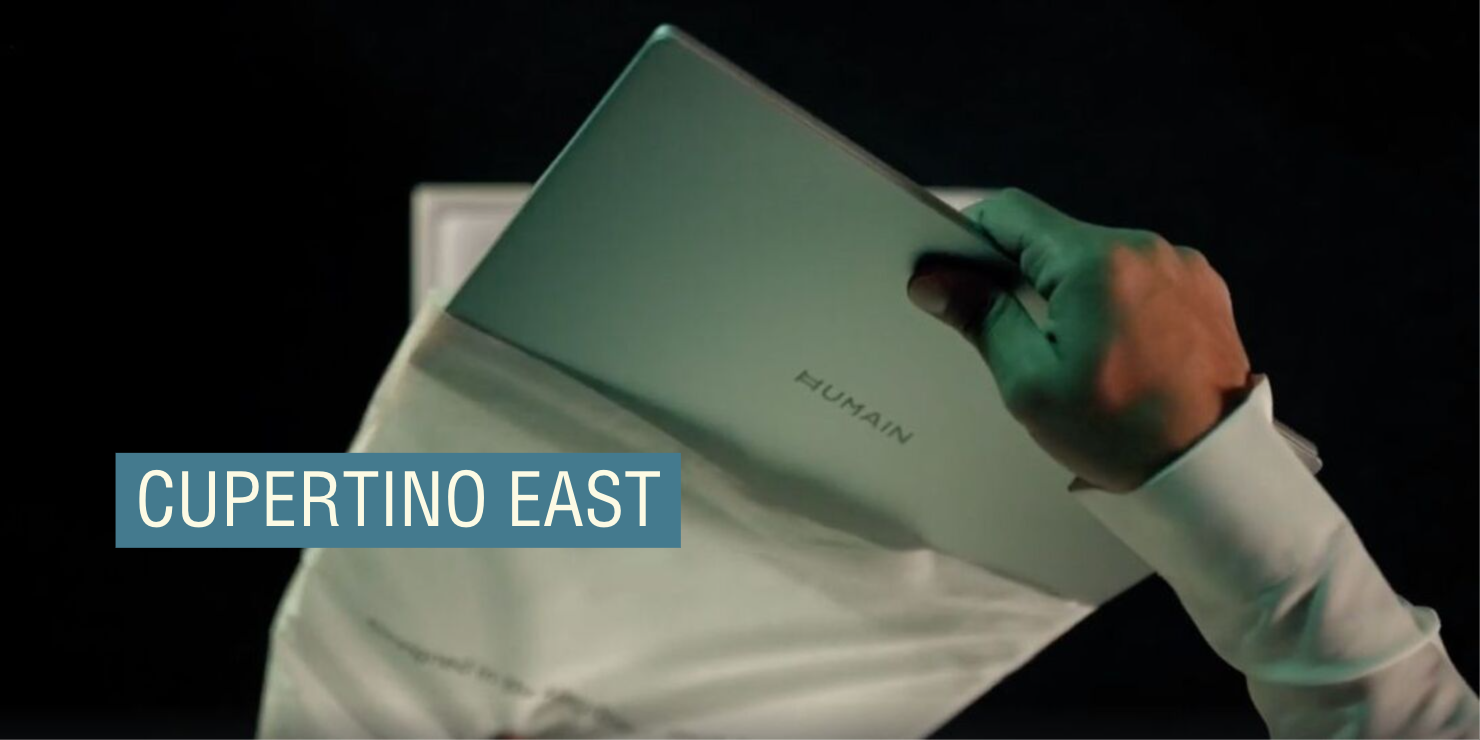
HUMAIN, the AI firm of Saudi Arabia's Public Investment Fund, has teased a new laptop developed with chip desi…
The AI news that matters, in one minute each morning.
Sign up free