What happened
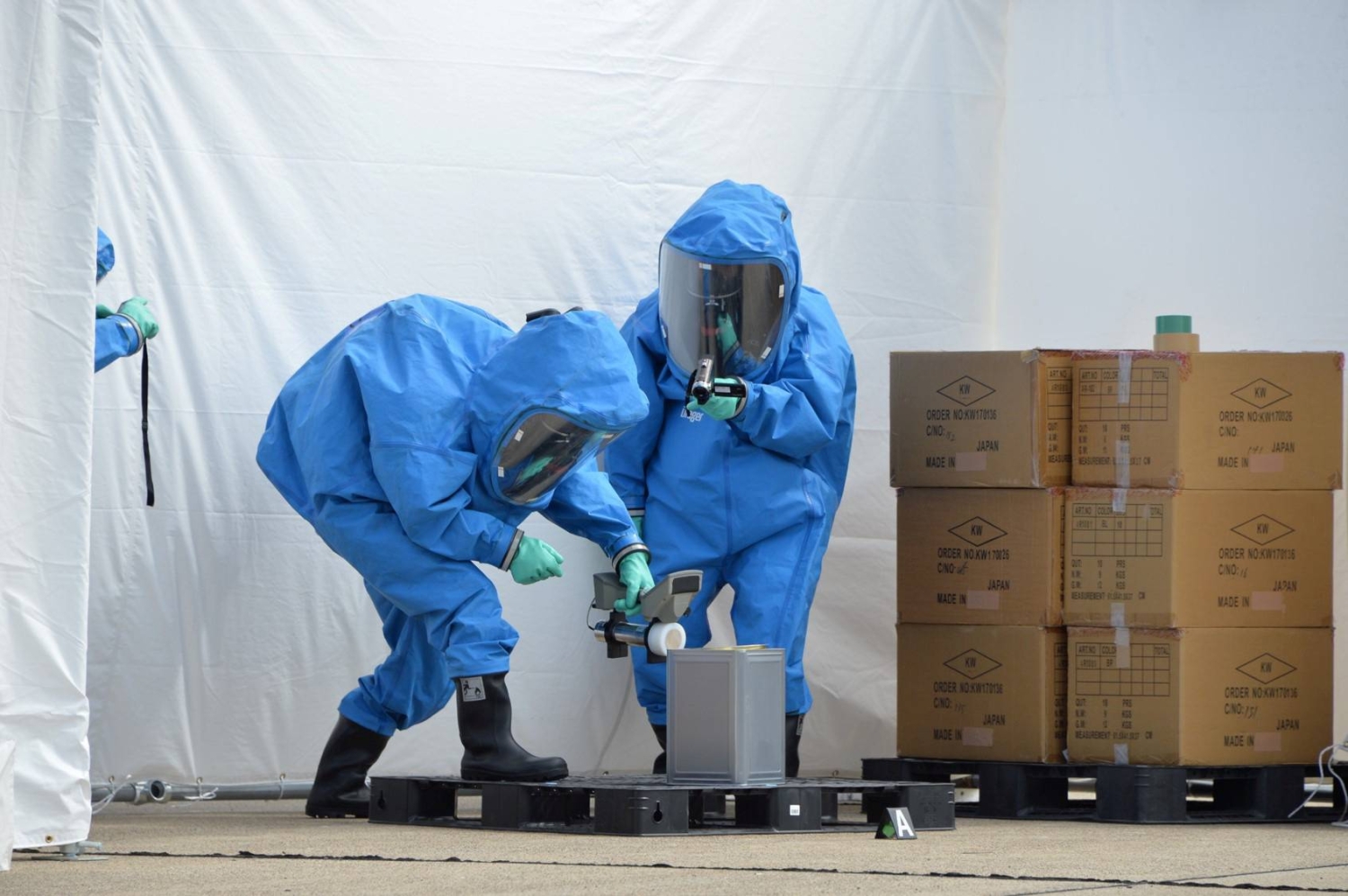
No specific new event is reported; instead, the article examines the theoretical danger of AI meeting nuclear, biological, and chemical weapons in a world already marked by active conflicts in Europe and the Middle East, spreading disease, terrorism, and expanding nuclear arsenals.
Why it matters
AI is already transforming warfare across multiple domains—missiles, drones, satellites, land, sea, air, space, and cyberspace. The convergence of AI with weapons of mass destruction represents what the article calls "the most terrifying prospect," particularly as global conditions worsen: disinformation, polarization within societies, nonstate actors joining nation-states as combatants, and nuclear treaties expiring or becoming irrelevant.
What to watch
The article does not specify concrete developments, timelines, or policy responses to monitor; it frames the risk as a forward-looking concern in an already unstable geopolitical environment.
Summaries like this, in your inbox every morning.
The article frames AI's military applications not as a distant hypothetical but as a present reality already reshaping conflict across multiple theaters—from traditional kinetic warfare with missiles and drones to emerging domains like space and cyberspace. The specific concern is what happens when this already-transformative technology intersects with weapons of mass destruction: nuclear, biological, and chemical arms that can cause catastrophic harm at scale. The article grounds this fear in a concrete geopolitical backdrop: active wars in Europe and the Middle East, the erosion of Cold War–era treaties meant to control nuclear arsenals, the spread of infectious disease from animals to humans, and the blurring of state and nonstate conflict. Together, these conditions create what the article suggests is a uniquely dangerous moment—not one where AI alone is the threat, but where AI accelerates the destructive potential of weapons systems that are already proliferating and less constrained than they once were.
Pick your industry and the AI tools you use, and get news related to your work every day.
Free · 30 seconds with Google · unsubscribe anytimeWhat is AIToday? →
Ask AI anything about this article. The AI reads this article, earlier AIToday articles, and Wikipedia, and cites its sources. Q&As are published on this page for other readers too.

