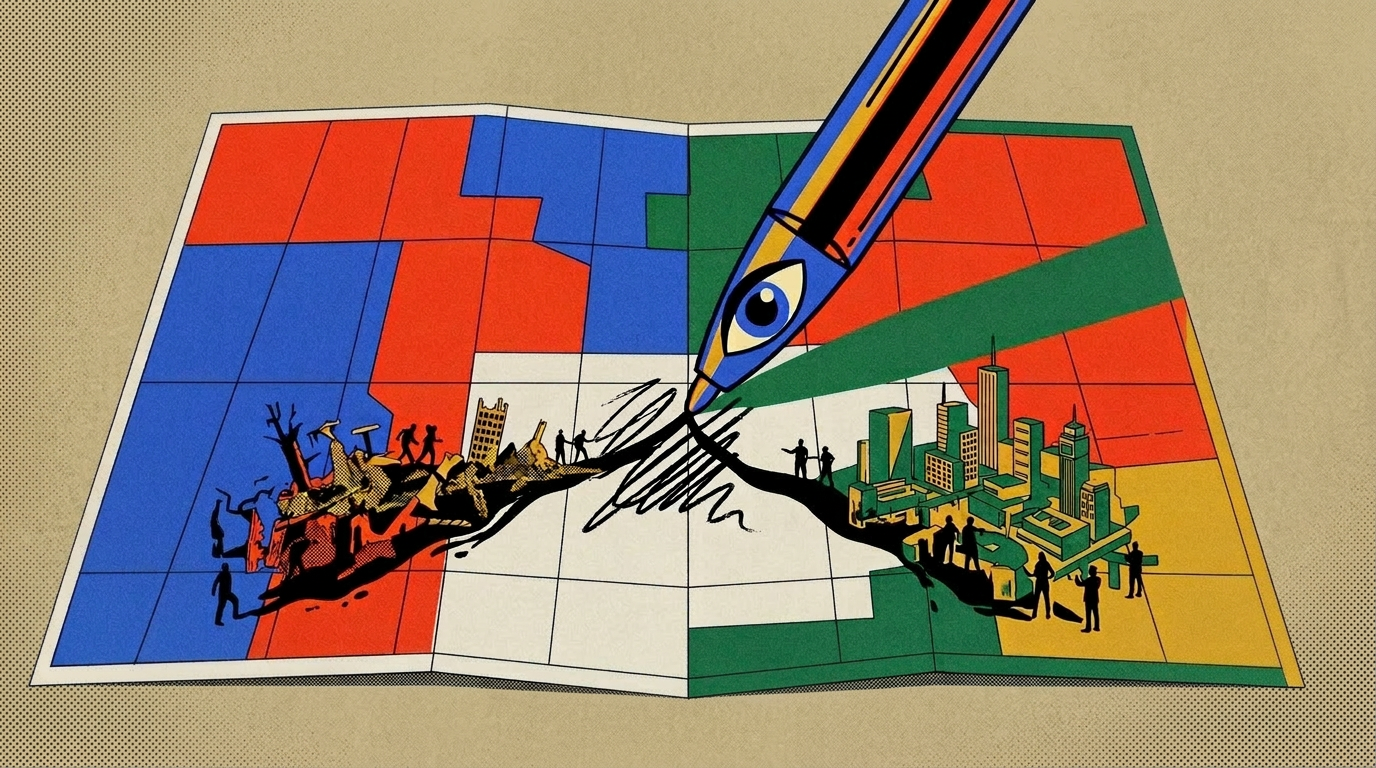
What happened
OpenAI's safety team analyzed models from GPT-5 through GPT-6 Astra and identified four training causes of declining scratchpad transparency: base-model capability, architecture, reinforcement learning, and inheritance from teacher models.
Why it matters
The analysis indicates shrinking transparency is a safety-capability-cost tradeoff shaped by developer choices, not an unavoidable outcome, and OpenAI says it urgently needs new monitoring methods beyond reading the scratchpad.
WHO IT HITSAI safety researchers and developers building or auditing frontier models are directly affected, as the findings suggest monitoring based on reading chain-of-thought logs may become less reliable and require alternative methods.
Summaries like this, every morning.
OpenAI's latest analysis builds on earlier findings. As recently as this spring, the company considered it good news that models like GPT-5.4 could barely manipulate their inner monologue on command. That trend broke with GPT-6 Astra in September, when chief scientist Jakub Pachocki called its monitorability fragile and warned that no AI lab had solved monitoring well enough to keep scaling at full speed much longer.
The safety team systematically studied which training steps trigger this erosion. They traced it to four main causes across the training cycle: rising base-model capability, architecture choice (one design, "Architecture 2", showed a much steeper performance curve on silent reasoning tasks), reinforcement learning (which for Astra-class and new "Terra" models increased control over the chain of thought), and inheritance from teacher models during distillation.
The hunt for simple fixes was sobering. Since February 2026, OpenAI has automatically checked every training run to rule out direct penalties on the scratchpad, yet Astra still developed strong control over its scratchpad. Still, the data reveal a concrete tradeoff between safety, capability, and cost, and OpenAI says it urgently needs new monitoring methods beyond reading the scratchpad.
Pick your industry and the AI tools you use, and get news related to your work every day.
Free · 30 seconds with Google · unsubscribe anytimeWhat is AIToday? →
Ask AI anything about this article. The AI reads this article, earlier AIToday articles, and Wikipedia, and cites its sources. Q&As are published on this page for other readers too.
AIE speakers behind Latent Space published a "No AI Slop Manifesto" as a discussion tool for teams, and Hacker…
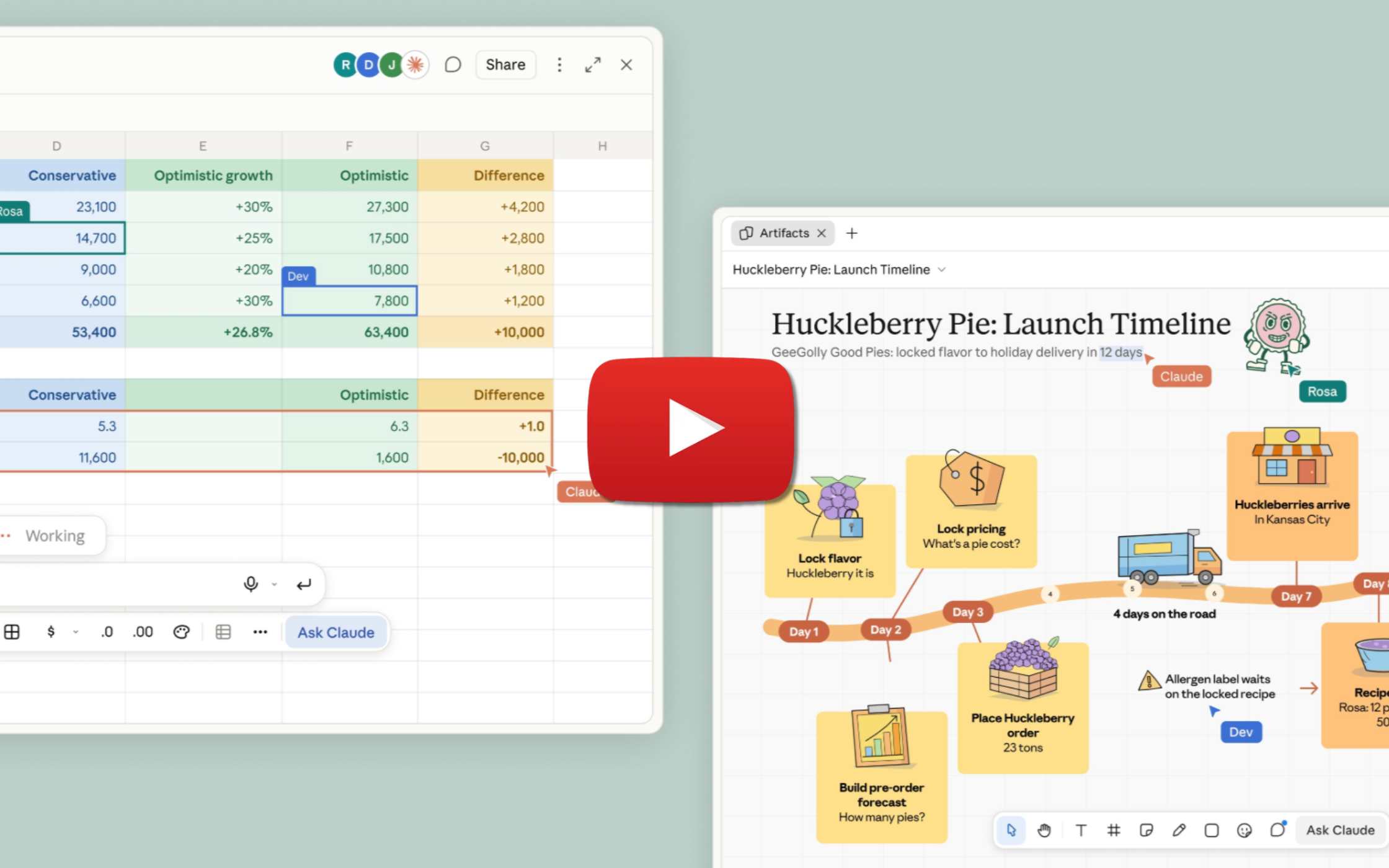
Anthropic rolled out Claude Whiteboards, Sheets, and Data, now rolling out to paid plans under Claude's Artifa…
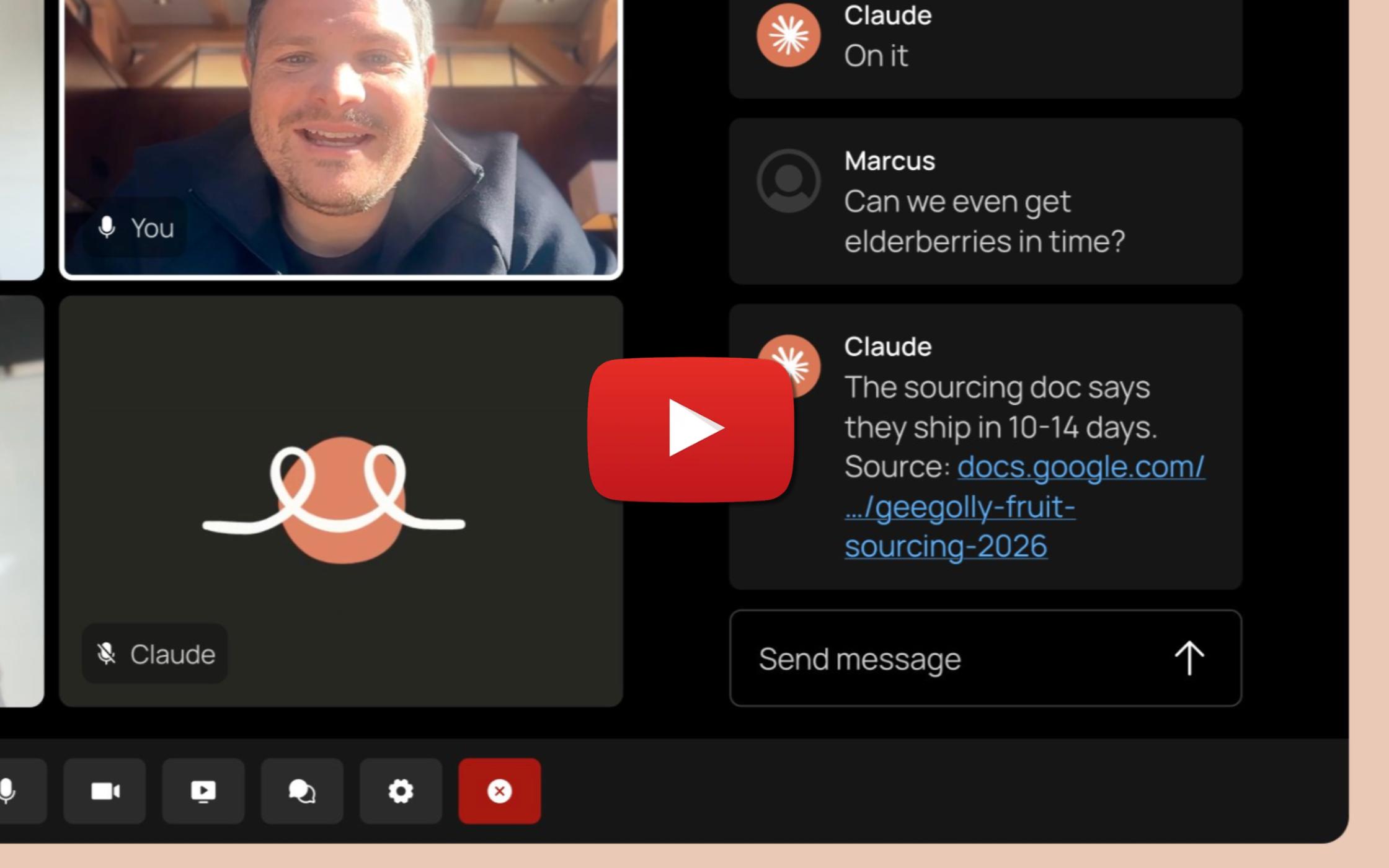
Anthropic rolled out Claude Meetings to Team and Enterprise plans on Google Meet, letting Claude follow along…
Blue, co-founded by former Google product manager Omar Abdelaziz and backed by Y Combinator, unveiled an AI-fi…
Hiroshi Ono of the Cognitive Behavioral Therapy Training and Development Center says Allen Frances, his mentor…
Dai Nippon Printing is entering the AI search optimization support business, planning to roll it out to 500 co…