What happened
The author, a late-30s engineer with family responsibilities, has been shipping personal projects at a faster pace than they have in years, and is receiving positive feedback from managers on work delivery and AI tooling adoption. Their engagement with work has risen sharply after a period they describe as feeling disengaged, and they now spend evenings working on side projects with the help of AI coding assistants available on their phone and laptop.
Why it matters
The author is grappling with whether this sense of reignited passion is genuine or a form of compulsion driven by the frictionless availability of AI tools that blur the boundary between work and personal time. They note that their family and personal commitments act as a 'hard floor' preventing them from overcommitting, but they worry that people without such protective structures—especially younger workers—could lose themselves in work without noticing until they are 'severely burned out,' and they see messaging around intense work schedules as 'exactly the wrong message' to send in this environment.
What to watch
The author acknowledges the parallel to what they describe as 'agent psychosis' (constant availability of AI agents for work and personal projects) and expresses uncertainty about whether they are on that path. They observe that their sleep schedule has slipped after a decade of maintaining healthy habits, suggesting the tools' impact is measurable even within a structured life—a cautionary signal for how these tools might affect people with fewer safeguards.
Summaries like this, in your inbox every morning.
Pick your industry and the AI tools you use, and get news related to your work every day.
Free · 30 seconds with Google · unsubscribe anytimeWhat is AIToday? →
Ask AI anything about this article. The AI reads this article, earlier AIToday articles, and Wikipedia, and cites its sources. Q&As are published on this page for other readers too.
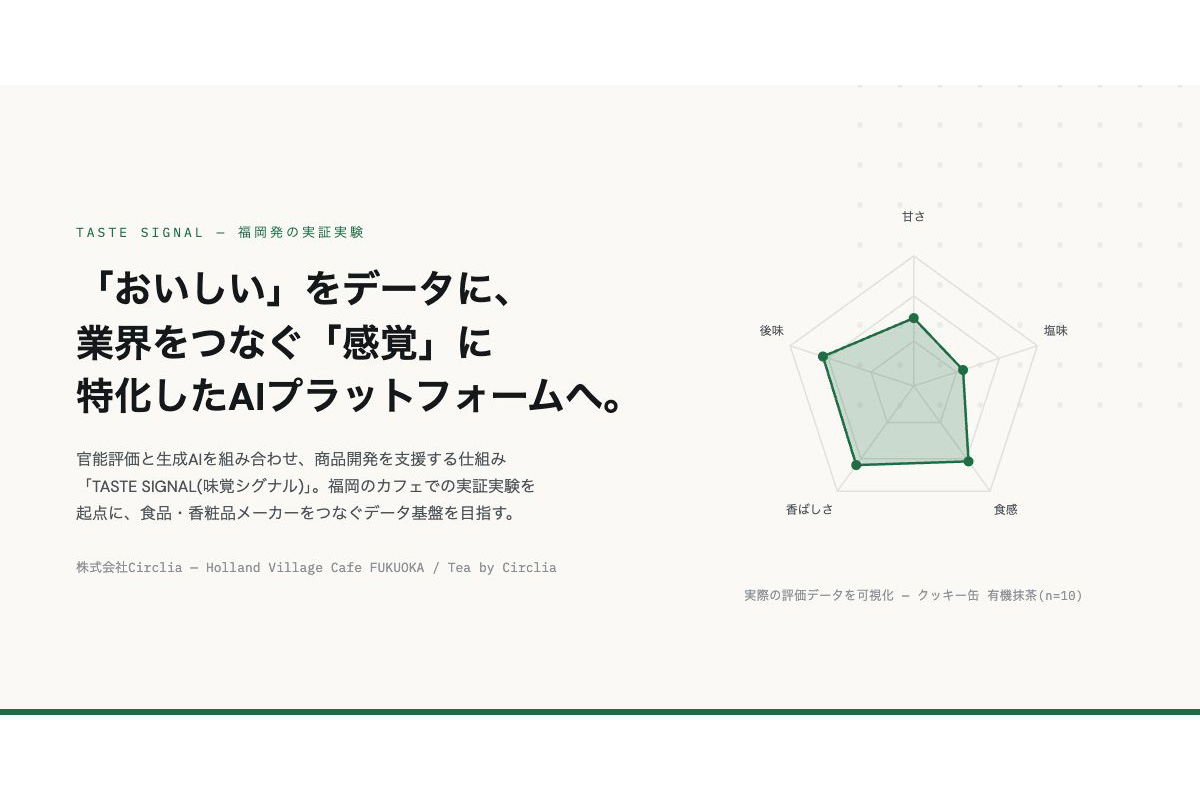
Circlia started a proof-of-concept for TASTE SIGNAL: visitors to Holland Village Cafe FUKUOKA taste cookies an…
In a webinar hosted by French Mathematical Society president Isabelle Gallagher, Fields Medal winner Hugo Dumi…

NVIDIA released Nemotron 3.5 Super VL, an open-weight model with 120 billion parameters that handles text, ima…
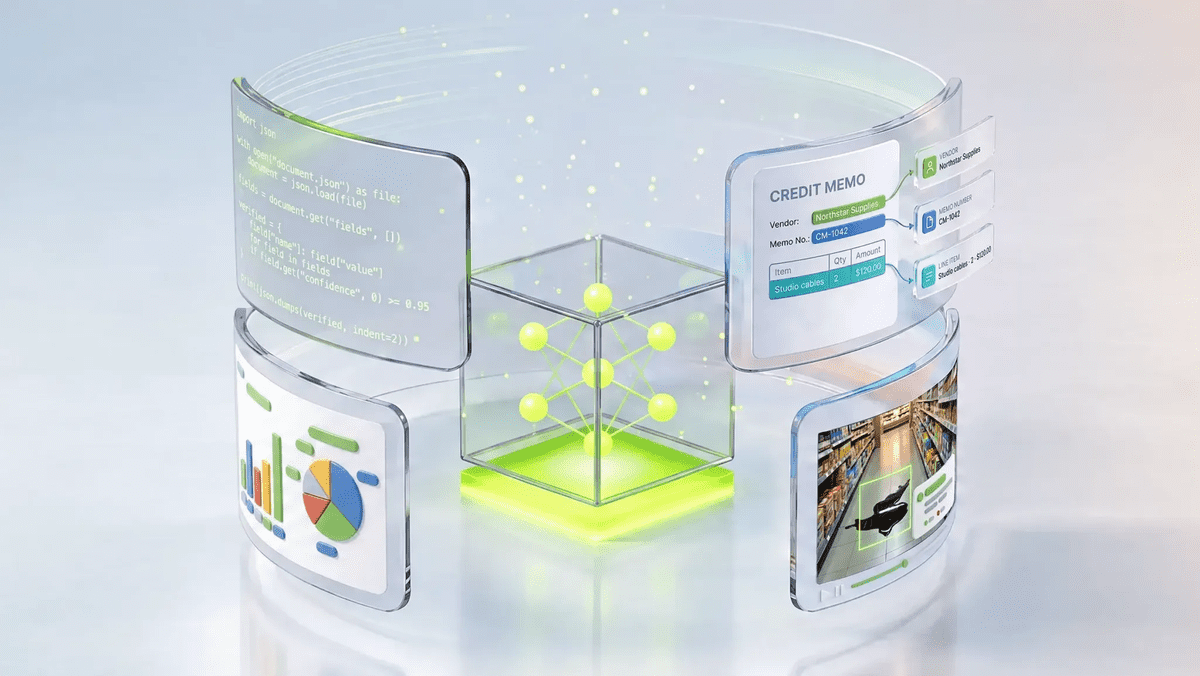
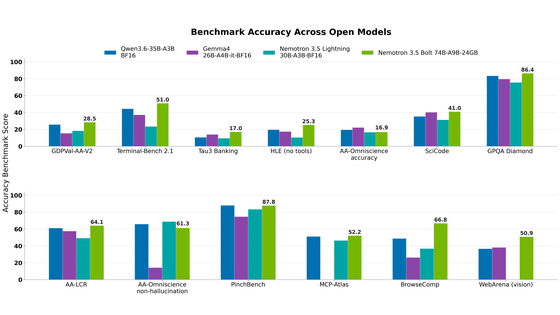
NVIDIA released Nemotron 3.5 Bolt 74B-A9B 24GB, an AI model for local agents that hits over 80 tokens per seco…
NVIDIA published a blog post titled "AI Security Is an Engineering Problem - How to Solve It at Every Layer of…
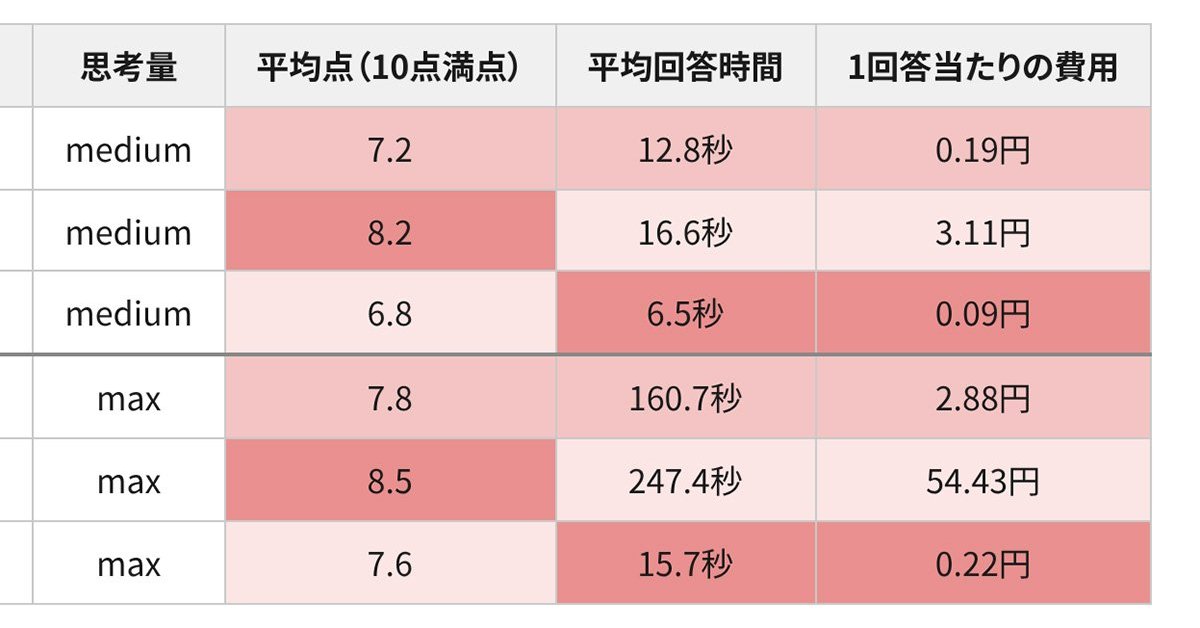
In the test, Haiku 5.5 on medium setting averaged scores close to Sonnet 5.5 on routine documents at about 1/1…