What happened
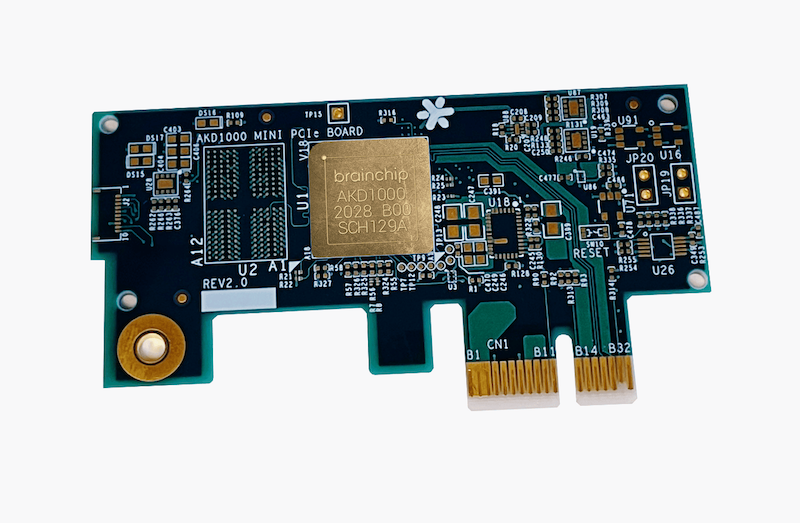
BrainChip released the Symphony Community Akida Bundle, a free open-source software package that integrates BrainChip Akida neuromorphic processors into IBM Spectrum Symphony Community Edition, a workload management tool that many enterprises already use. The bundle allows developers to run Akida alongside CPU and GPU compute, with the scheduler automatically routing tasks to whichever processor runs them best.
Why it matters
Neuromorphic computing is designed to cut power consumption in AI inference, addressing what the article calls "the AI industry's power problem." By placing Akida on equal footing with GPUs inside production orchestration software—rather than relegating neuromorphic chips to edge devices—the bundle signals that this technology can augment mainstream enterprise workloads. Grand View Research estimated the neuromorphic computing market at $5.3 billion in 2023 and projects it will reach $20.3 billion by 2030.
What to watch
The bundle is free and available on GitHub. According to Steve Brightfield, chief product officer at BrainChip, small inference jobs that would otherwise waste GPU cycles can now be scheduled on Akida for reduced latency and power, making it a first-class compute resource in heterogeneous computing environments.
Summaries like this, in your inbox every morning.
BrainChip's move reflects a broader industry shift toward solving AI's energy challenge. The article frames the AI industry as facing a "power problem," with enterprises under pressure to answer questions about power and cooling as they scale AI deployments. Rather than treating neuromorphic computing as a niche edge-device category, BrainChip is positioning Akida as a mainstream enterprise compute resource by integrating it into IBM Spectrum Symphony—software many large enterprises already operate for workload management.
The timing aligns with analyst expectations that neuromorphic computing will grow significantly. By placing Akida on equal footing with GPUs and CPUs inside production-grade orchestration software, the bundle serves as validation that the technology belongs in mainstream infrastructure, not merely at the margin. This extends BrainChip's addressable market from constrained edge environments to on-premises enterprise servers, where power and cost pressures are acute. The bundle's open-source and free-to-access design (on GitHub) lowers barriers to adoption among the many enterprises already running Spectrum Symphony.
Pick your industry and the AI tools you use, and get news related to your work every day.
Free · 30 seconds with Google · unsubscribe anytimeWhat is AIToday? →
Ask AI anything about this article. The AI reads this article, earlier AIToday articles, and Wikipedia, and cites its sources. Q&As are published on this page for other readers too.

