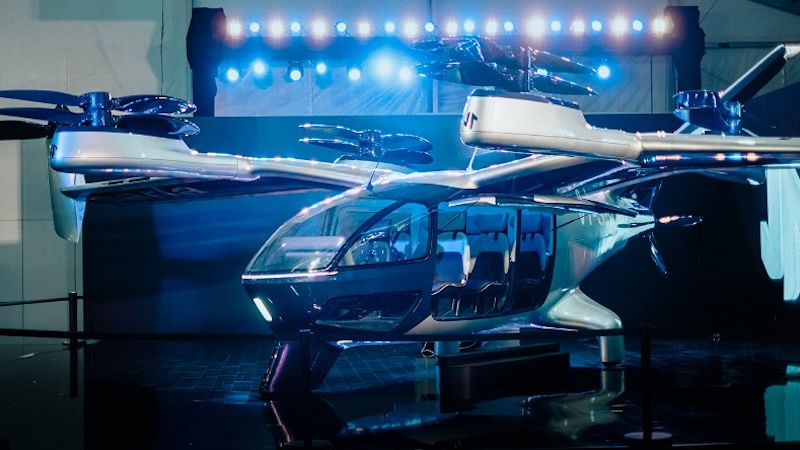
Sarla Aviation, an Indian electric air taxi startup based in Bengaluru, has adopted Siemens Xcelerator software to streamline the design, simulation, and certification of its eVTOL aircraft ahead of a planned 2028 launch.
By connecting product engineering, advanced simulation, and data management in a unified digital environment, the company aims to reduce design iterations, improve collaboration across teams, and meet the stringent verification and validation requirements needed for aircraft certification.
What happened
Sarla Aviation, a Bengaluru-based startup building electric air taxis, has adopted Siemens Xcelerator—a suite of design, simulation, and lifecycle management software—to speed up development of its next-generation eVTOL aircraft. The company plans to launch operations in Bengaluru by 2028.
Why it matters
By connecting product design, simulation, and data management in one system, Sarla can reduce design iterations early, improve team collaboration, and strengthen the verification and validation processes needed for aircraft certification. The move reflects how startups in emerging mobility are using digital tools to compress development timelines.
What to watch
Sarla will present its progress at Realize LIVE India, where co-founder and CTO Rakesh Gaonkar will discuss how the digital approach is accelerating innovation in urban air mobility.
Sarla Aviation, a Bengaluru-based startup, is developing electric vertical take-off and landing (eVTOL) aircraft designed to serve urban air mobility—functioning as electric air taxis that aim to be as convenient and accessible as premium ride-hailing services. To accelerate development, the company has adopted Siemens Xcelerator, an integrated portfolio of software tools that connects product design, simulation, and lifecycle management in a unified digital environment.
The core benefit of this approach, known as a "digital thread," is the seamless flow of data across engineering disciplines. Rather than working in silos—where design teams hand off work to simulation teams, who then hand off to manufacturing—all groups share a single source of truth. This allows Sarla to reduce design iterations through early-stage computer simulation, avoiding costly physical prototypes and rework. It also improves collaboration and strengthens the traceability, verification, and validation processes that aircraft certification authorities require.
Sarla is deploying a range of specialized Siemens tools. Designcenter handles product engineering from initial concept through fully detailed design. Simcenter provides advanced simulation and validation of aircraft performance while reducing the need for physical testing. Capital is used for electrical system design—a critical function for eVTOL systems, which must safely manage battery power, distribute it across multiple electric motors, and integrate complex avionics. Polarion software addresses the regulatory and compliance layer, helping the company navigate DO-178C standards (which govern airborne software safety) and other certification requirements. Teamcenter underpins the entire effort by serving as a digital backbone for product data management, cross-team collaboration, and traceability across design, simulation, and manufacturing.
Rakesh Gaonkar, Sarla's co-founder and chief technology officer, stated that the partnership with Siemens supports the company's ability to "innovate faster and move closer to delivering reliable and sustainable urban air transport" while maintaining the highest safety standards. Mathew Thomas, Siemens' vice president and managing director for India, emphasized that digital transformation is essential for scaling new mobility solutions, and that the digital thread approach helps companies like Sarla accelerate development and support certification processes. Sarla plans to present its progress at Realize LIVE India, where Gaonkar will share insights into how this digital approach is accelerating innovation in advanced air mobility. The company targets a launch of operations in Bengaluru by 2028.
Sarla Aviation's adoption of Siemens Xcelerator reflects a broader shift in how advanced mobility startups approach aircraft development. Rather than building certification-grade aircraft through traditional, physical-iteration-heavy methods, the company is using an integrated digital environment to compress the design-to-validation cycle. This approach—what Siemens and others call a "digital thread"—connects every stage of development (concept, detailed design, simulation, data management) in a single system, allowing engineers to catch design flaws and optimize performance before building hardware.
For an eVTOL startup, this is particularly critical. Electric vertical take-off aircraft are more complex than conventional aircraft in several ways: their electrical architecture must safely manage battery power, distribute it across multiple motors, and integrate avionics—all while meeting strict safety certification standards. Sarla's choice to adopt Siemens software for electrical design (Capital), simulation (Simcenter), and compliance tracking (Polarion) suggests the company is building with certification requirements in mind from the start, not as an afterthought. The mention of DO-178C compliance—a standard for airborne software—underscores that Sarla is treating this as a certified aircraft program, not a prototype venture.
The 2028 Bengaluru launch target places Sarla's timeline alongside other global eVTOL programs. By publicly committing to that date and investing in industrial-grade software infrastructure now, the company is signaling that it views digital tools as a competitive advantage in a field where time-to-market, safety validation, and regulatory approval are all bottlenecks.
AI-summarized, only the topics you pick — one digest a day via Email, Slack, or Discord.
Free · takes 30 seconds · unsubscribe anytime
Ask AI anything about this article. Q&As are published on this page for other readers too.

The AI news that matters, in one minute each morning.
Sign up free
