What happened
Alphabet's Google Cloud is limiting access to its Gemini AI models for major customers, including Meta, due to tight AI compute capacity. External clients face similar restrictions as Alphabet prioritizes its own services and paying cloud workloads.
Why it matters
Google Cloud is central to Alphabet's push into generative AI, and demand for model access and training capacity is pressing against current hardware limits. This rationing highlights how scarce AI compute and heavy data center spending are influencing product roadmaps across large tech companies. For Alphabet investors, it underscores the economic weight of the company's recent capital spending and funding decisions.
What to watch
Meta is increasing use of its in-house Muse Spark model to lessen reliance on external AI infrastructure providers. Investors should monitor how customers weigh the trade-off between Alphabet's Gemini offerings and in-house or alternative solutions, and how that affects future AI partnerships and workloads on Google Cloud.
Summaries like this, in your inbox every morning.
Pick your industry and the AI tools you use, and get news related to your work every day.
Free · 30 seconds with Google · unsubscribe anytimeWhat is AIToday? →
Ask AI anything about this article. The AI reads this article, earlier AIToday articles, and Wikipedia, and cites its sources. Q&As are published on this page for other readers too.
Google Deepmind's Gemini 4 Argon scored 97.5 percent on ARC-AGI-3 at a cost of $4,800, second only to GPT-6 As…
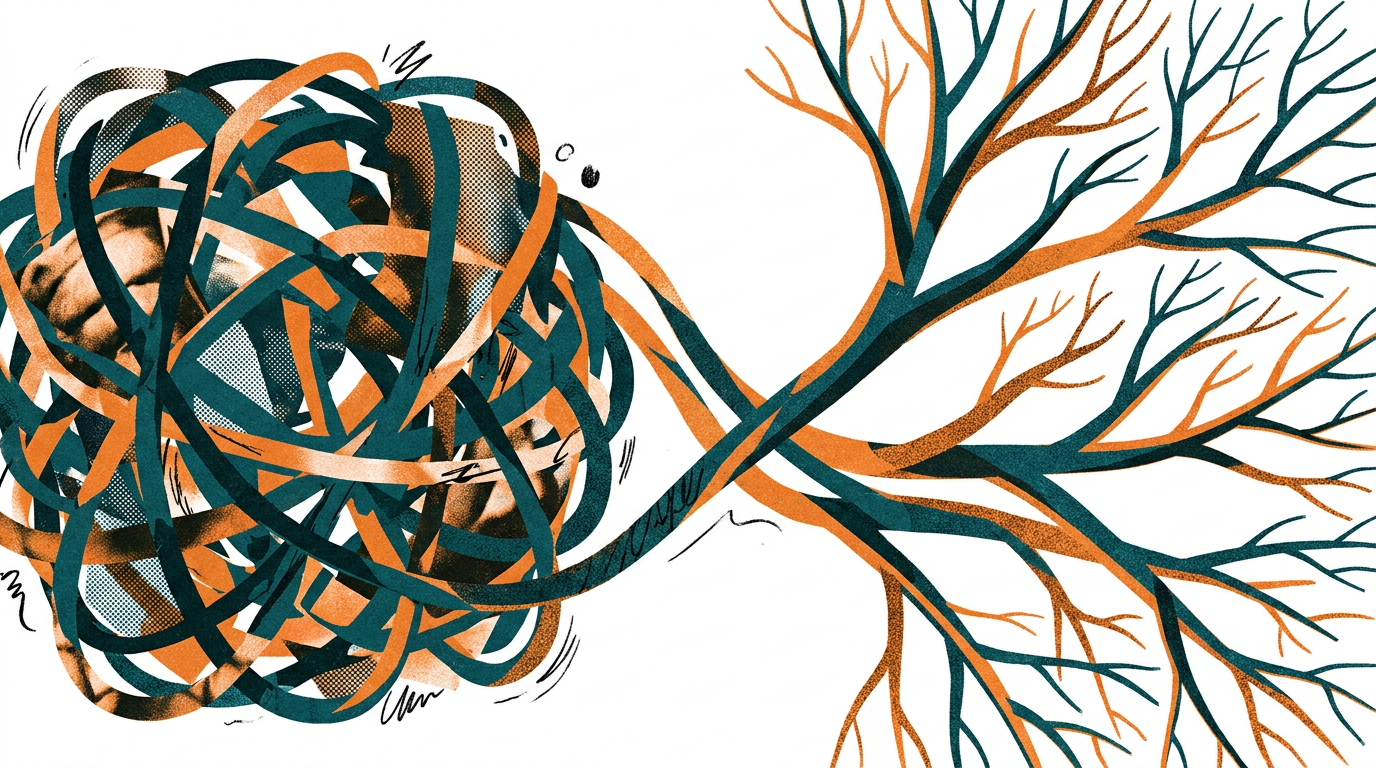
Cammarata reinterprets InceptionV1's cat-car neuron as a V-shape detector, not two unrelated concepts
Microsoft's Surface Laptop Ultra, using Nvidia's RTX Spark platform, starts at $2,599 (up to $5,899)

Meta's new commercial terms, effective October 30th, appear to let it crawl and train AI on content from websi…
Vercel data published Thursday shows TypeSafe AI's Jev, a lightweight decision model for choosing among predet…

Reflection AI introduced Beam, an open-weight model for agentic coding and long-horizon tasks, with 501 billio…