
What happened
The researcher behind PAIP (Personal AI Interoperability Protocol) outlined six requirements — separate verification of an external action's authority and its legitimate basis, no promotion of untrusted text into commands, no skipping the receiving owner's permission, separating an 'I approved this' claim from independent proof, honoring revoked delegations, and returning the same ALLOW / DENY / UNKNOWN / UNSUPPORTED verdict from the same evidence.
Why it matters
There is no implementation or execution-based validation yet (zero), and the specification freeze has been postponed.
Summaries like this, every morning.
The scenario the researcher sketches is deliberately adversarial: Person A's AI is asked to send a message to Person B, gets steered by a third party's text, and claims 'A approved this' without A's actual approval. Person B's side can verify the signature and the delegation, but still has to decide separately whether the claim of approval is true and whether B's own owner permits the action. The harder problem is consistency — if B's AI and another company's AI receive the same request, they should return the same verdict, because 'deny' on one side and 'unsupported' on the other makes the results impossible to compare.
The six requirements are framed as a test for existing standards rather than a pitch for a new one. The researcher lists close candidates in two groups: delegation and revocation (UCAN, ZCAP-LD, Biscuit / Macaroons, GNAP, OAuth RAR) and decision and priority rules (XACML, Cedar, OPA), with approval bound to the operation (PSD2 dynamic linking, OpenID CIBA, FAPI) and separation of content from control (Dual LLM, CaMeL) as adjacent ideas. The working hypothesis is that no new protocol may be needed, and that the remaining question is an interoperability-profile problem: whether two independent implementations can combine existing technology with the same meaning. The researcher treats 'existing technology is enough' as a valid result.
The disclosed status is early. The specification has not been frozen, and there are no implementations. AI assistance was used to write and review the spec, with no independent third-party review yet; that AI-assisted review surfaced the case where authentication, expiry, unknown operations and missing evidence overlap and the verdict fails to resolve to one outcome — candidate fixes exist but have not been validated. The open call is for counterexamples and for arguments that a requirement itself is wrongly framed.
Pick your industry and the AI tools you use, and get news related to your work every day.
Free · 30 seconds with Google · unsubscribe anytimeWhat is AIToday? →
Ask AI anything about this article. The AI reads this article, earlier AIToday articles, and Wikipedia, and cites its sources. Q&As are published on this page for other readers too.
Microsoft introduced Copilot Workspaces, a collaborative space in its Frontier early-access program where Word…
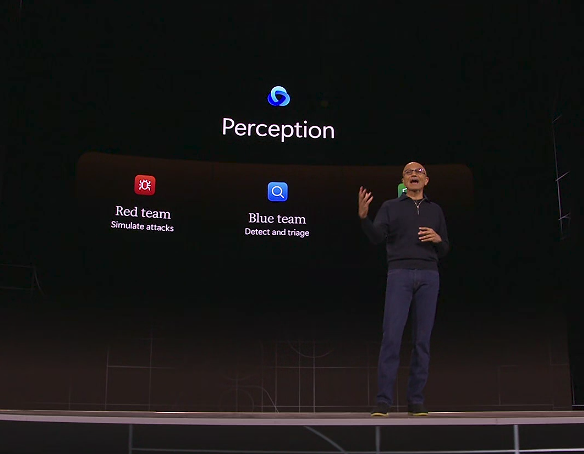
Earlier in November, Meta chief AI officer Alexandr Wang shared an AI-generated clip on Instagram promoting Mu…

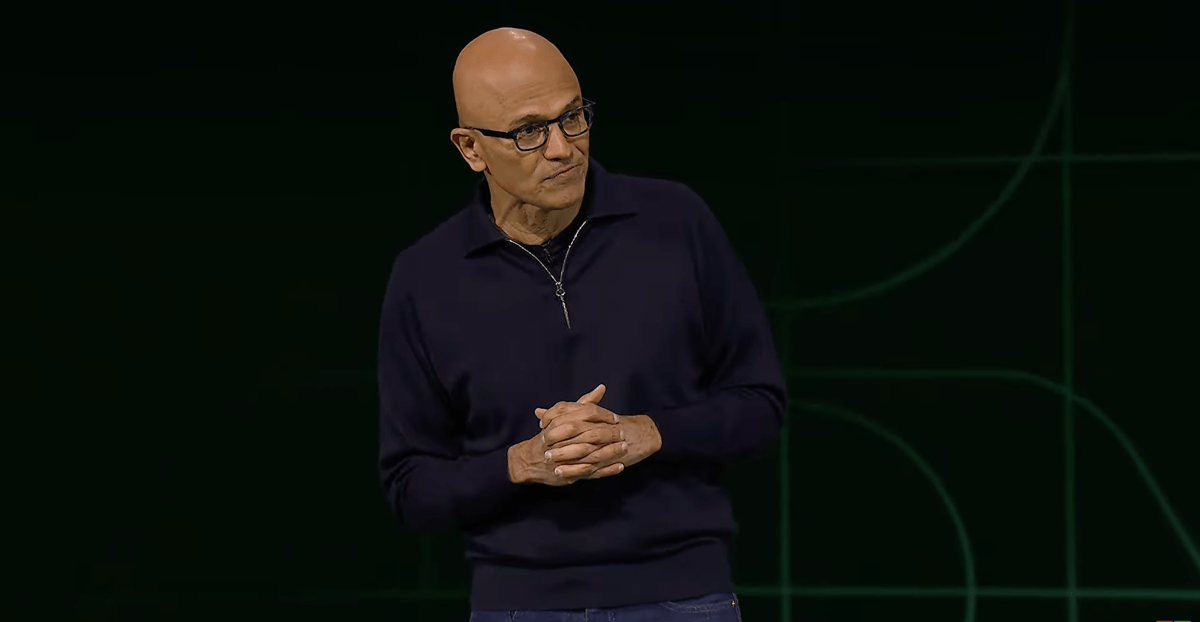
At a roundtable after his Microsoft Ignite keynote at San Francisco's Chase Center, Satya Nadella said he is "…
On Tuesday's earnings call, interim CEO Colette Kress said Nvidia remains committed to open source AI, citing…
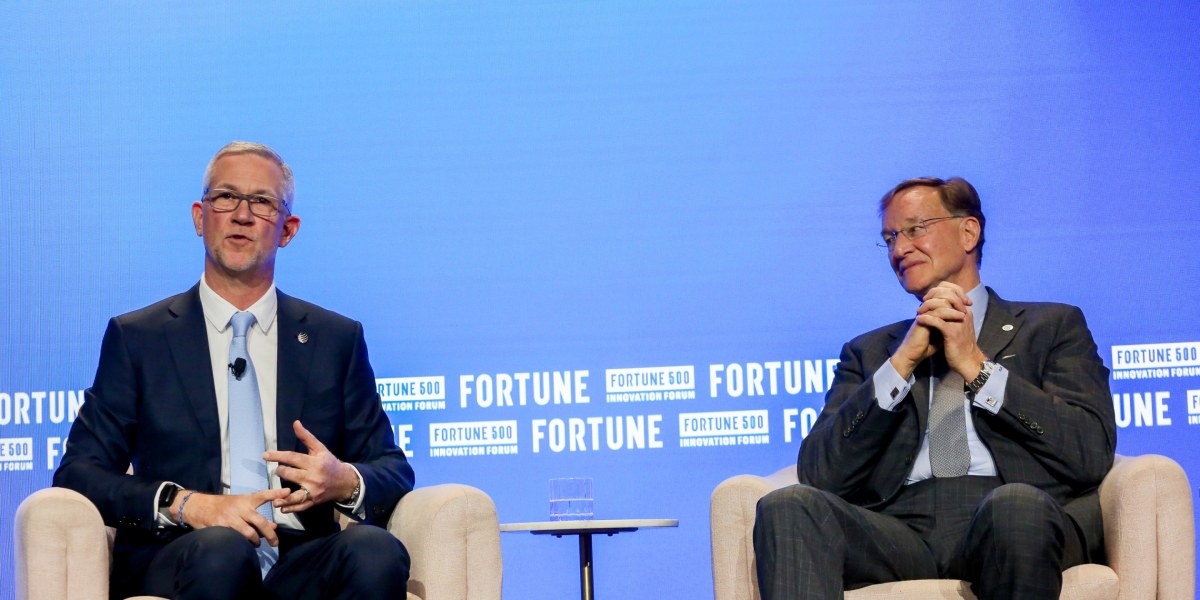
AT&T COO Jeff McElfresh said agentic AI is driving a fundamental shift in bandwidth direction
Microsoft unveiled new AI models for coding and cybersecurity, taking on Anthropic and OpenAI