What happened
The co-founder and executive director of Reimagine, a grief-support organization, writes that AI adoption is triggering workplace grief over lost skills, eroded trust, and vanishing career paths.
Why it matters
A August 2026 Gallup study found staff at heavy AI adopters were more likely to report worsening culture; Microsoft's index found 53% feared AI made them look replaceable.
What to watch
She argues the outcome hinges on whether leaders treat this grief as real loss rather than 'employee resistance,' pointing to Reimagine's HarrisX research showing unsupported disruption causes grief-level distress.
WHO IT HITSCorporate executives and HR leaders managing AI rollouts are the audience here — especially those who dismiss staff anxiety as routine change resistance, since the author says that dismisses real loss and damages culture.
Ask the AI about this article →
Summaries like this, in your inbox every morning.
The author writes from a specific vantage point: as co-founder and executive director of Reimagine, an organization that helps people navigate grief collectively, she draws a deliberate parallel between bereavement and the disruption AI is bringing to workplaces. Her argument is that people instinctively turn away from fundamental loss, and that suppressing this particular form of grief carries physical and mental health consequences — and can push people toward destructive action.
What she claims is already visible in corporate data, which she cites alongside her own organization's research. An August 2026 Gallup study found employees at organizations deploying AI extensively were significantly more likely to report a worsening workplace culture. Microsoft's Work Trend Index found 53% of workers worried that relying on AI for critical tasks made them look replaceable, while over half admitted hiding their AI usage from management entirely. Reimagine's own research with HarrisX, meanwhile, found that when major disruptions go unsupported, they produce distress comparable to grief from death loss.
Her proposed path forward is not to slow AI down. Instead, she suggests executives move past forced optimism and let employees name what they fear losing — grief over lost mastery might lead to more mentorship, grief over eroding trust to clearer norms around authorship and transparency. The stakes she describes hinge on whether leaders treat this as real loss or dismiss it as standard change resistance; if the latter, she warns, the costs land on company culture and on employees themselves.
For example, today's edition would include:
AI-summarized, only the topics you pick — one digest a day via Email, Slack, or Discord.
Free · 30 seconds with Google · unsubscribe anytimeWhat is AIToday? →
Ask AI anything about this article. Q&As are published on this page for other readers too.
Pichai said on the July 22, 2026 earnings call that Q2 Google Cloud revenue rose 82% year over year and its ba…
Chinese lab AllSpark released Iris-mini and Iris-pro, search agents with 35 billion and 397 billion parameters…
OpenAI's GPT-6 Astra averaged $15,515 in Andon Labs' Vending-Bench versus Claude Fable 5.1's $5,422
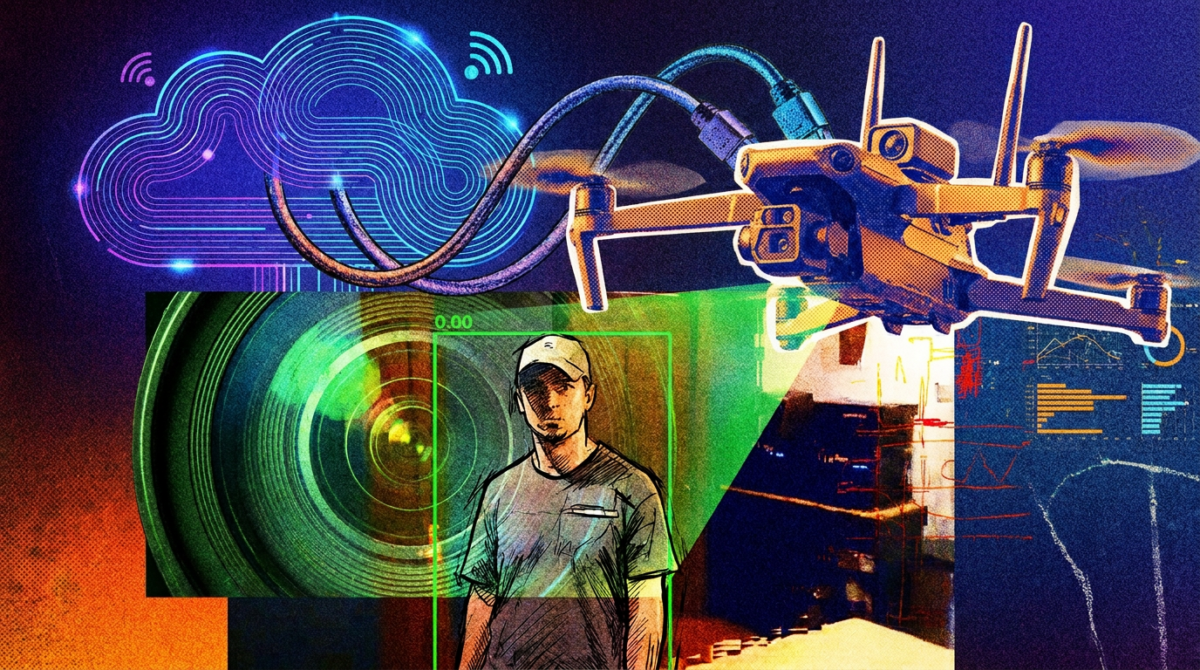
Black Lake founder Yuxiang Zhou ran an experiment giving salespeople a pin that recorded their conversations…
U.S. agencies on Tuesday accused DeepSeek, Moonshot and four other Chinese AI companies of extracting capabili…

Molly Taft reports that AI agents—systems that give themselves hundreds of small prompts—are now central to fr…