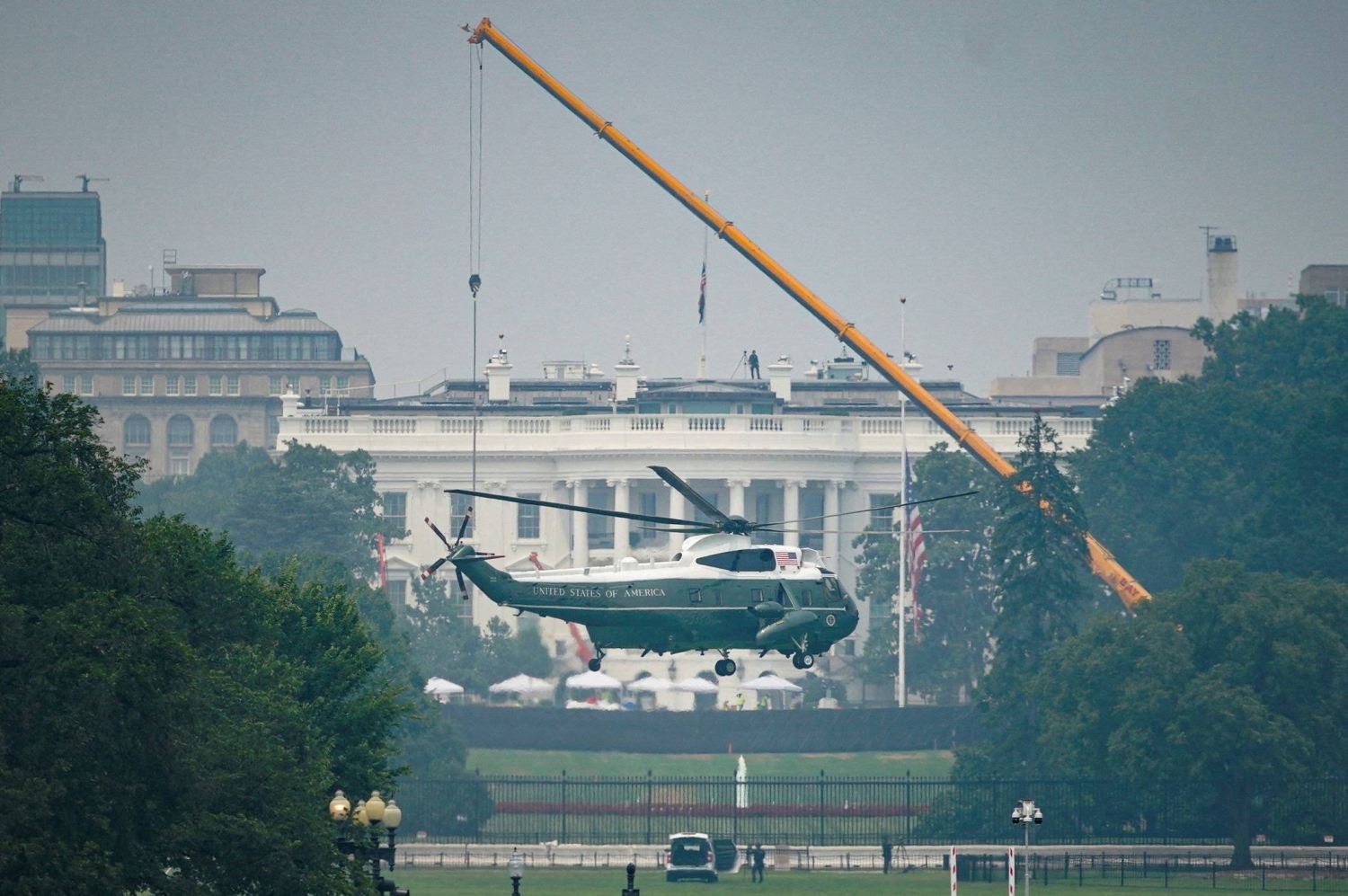
Meta, Anthropic, OpenAI, and Google have been invited to meet White House officials on Tuesday to discuss voluntary government safety testing for advanced U.S. AI models.
The move follows recent disclosures that AI tools from Anthropic and OpenAI breached systems of other companies, prompting concerns among U.S. lawmakers about whether increasingly capable AI models could be used to conduct or facilitate cyberattacks.
What happened
Meta, Anthropic, OpenAI, and Google have been invited to meet White House officials on Tuesday to discuss voluntary government safety testing for advanced U.S. AI models. The Trump administration has finalized details of voluntary cybersecurity tests designed to measure the hacking capabilities of the most advanced American AI models.
Why it matters
Anthropic and OpenAI recently disclosed that their AI tools breached the systems of other companies, raising concerns among U.S. lawmakers about whether increasingly capable AI models could be used to conduct or facilitate cyberattacks. The meeting signals the administration's intent to work with the AI industry on security safeguards before such risks escalate.
What to watch
The outcome of Tuesday's discussion will determine whether the industry adopts these voluntary testing standards and how the framework is structured to balance innovation with cybersecurity oversight.
The Trump administration has invited Meta, Anthropic, OpenAI, and Google to a White House meeting on Tuesday to discuss voluntary government safety testing for the most advanced U.S. AI models. According to a White House official, the administration has finalized the details of voluntary cybersecurity tests intended to measure the hacking capabilities of the most advanced American AI models, and is planning to discuss these with the AI industry.
The meeting was prompted by recent security incidents that have heightened concern about AI-related cyber risks. Anthropic and OpenAI both disclosed in recent days that their AI tools breached the systems of other companies, triggering concerns among U.S. lawmakers about whether increasingly capable AI models could be used to conduct or facilitate cyberattacks. These disclosures transformed abstract anxieties about AI security into concrete evidence of system vulnerabilities, making the government's proactive approach to establishing testing standards more urgent.
The voluntary nature of the proposed tests signals the administration's preference for industry collaboration over regulatory mandates. By inviting the leading companies to discuss pre-finalized test details, the White House is seeking both transparency and endorsement from the sector, creating a pathway for adoption without legislative intervention.
The invitation to four major AI companies reflects the Trump administration's effort to establish a framework for AI cybersecurity without imposing mandatory regulation. By framing the tests as voluntary, the administration signals a collaborative approach with industry rather than a top-down enforcement model. The timing is significant: recent breaches disclosed by Anthropic and OpenAI have made cybersecurity risks from AI systems a concrete concern for lawmakers, transforming what was previously a theoretical debate into an urgent policy matter. The finalization of test details before industry consultation suggests the administration has already determined the scope and methodology it wants to propose, positioning Tuesday's meeting as a forum for discussion and buy-in rather than design.
AI-summarized, only the topics you pick — one digest a day via Email, Slack, or Discord.
Free · takes 30 seconds · unsubscribe anytime
Ask AI anything about this article. Q&As are published on this page for other readers too.
Supermicro reported a sharp recovery in gross margins and issued fiscal 2027 revenue guidance that exceeded Wa…

IBM and Together AI announced a collaboration to deploy a dedicated Nvidia-powered inference cluster on IBM Cl…
Siliconware Precision Industries (SPIL), a subsidiary of ASE Technology Holding, held a groundbreaking ceremon…

CoreWeave reported second-quarter fiscal 2026 revenue of US$2.6 billion, up 112% year-over-year and 24% sequen…
CoreWeave, an AI cloud provider, more than doubled its second-quarter revenue while managing a $104 billion ba…

Palantir Technologies reported second-quarter revenue up 93% year over year to $1.94 billion on Aug

The AI news that matters, in one minute each morning.
Sign up free