What happened
AMD is acquiring Canadian startup Taalas, founded in Toronto in 2023, which specializes in inference chips (hardware that runs AI models) by embedding a model's architecture and trained parameters directly into silicon. Taalas's demo chip running Llama 3.1-8B achieved over 16,000 tokens per second per user.
Why it matters
The approach trades flexibility for speed—each chip is locked to a single model but delivers raw inference performance many times faster than competing hardware. AMD plans to integrate the technology into its accelerator roadmap and offer it as a system-level solution alongside Instinct GPUs, broadening its AI hardware portfolio beyond general-purpose accelerators.
What to watch
The deal is subject to standard regulatory approvals. Google is reportedly pursuing a similar chip design for Gemini, suggesting this model-specific silicon approach may become a competitive strategy in AI inference optimization.
Summaries like this, in your inbox every morning.
AMD's acquisition of Taalas reflects a strategic shift in AI inference hardware toward specialized, model-locked designs. Rather than building general-purpose accelerators that can run any AI model, Taalas chose to bake a specific model directly into silicon, sacrificing flexibility for dramatic speed gains—its demo chip achieved over 16,000 tokens per second per user, a performance ceiling far beyond competing inference hardware. This trade-off makes sense for workloads where a single model is deployed at scale and speed is paramount.
The move positions AMD to compete in a narrower but potentially high-value segment of the inference market. By integrating Taalas's approach into its accelerator roadmap rather than replacing its Instinct GPU line, AMD is signaling that it sees room for both general-purpose and specialized inference solutions. The timing is noteworthy: Google is reported to be developing a similar chip for Gemini, suggesting that model-specific silicon design is becoming a deliberate strategy among cloud providers and semiconductor makers, rather than an outlier.
Pick your industry and the AI tools you use, and get news related to your work every day.
Free · 30 seconds with Google · unsubscribe anytimeWhat is AIToday? →
Ask AI anything about this article. The AI reads this article, earlier AIToday articles, and Wikipedia, and cites its sources. Q&As are published on this page for other readers too.
Chunghwa Telecom president Rong-shy Lin said the shift from conversational AI to autonomous AI agents is resha…
CoreWeave fell 5% in premarket trading Friday and was on track to finish the week down 15%, after rebounding f…
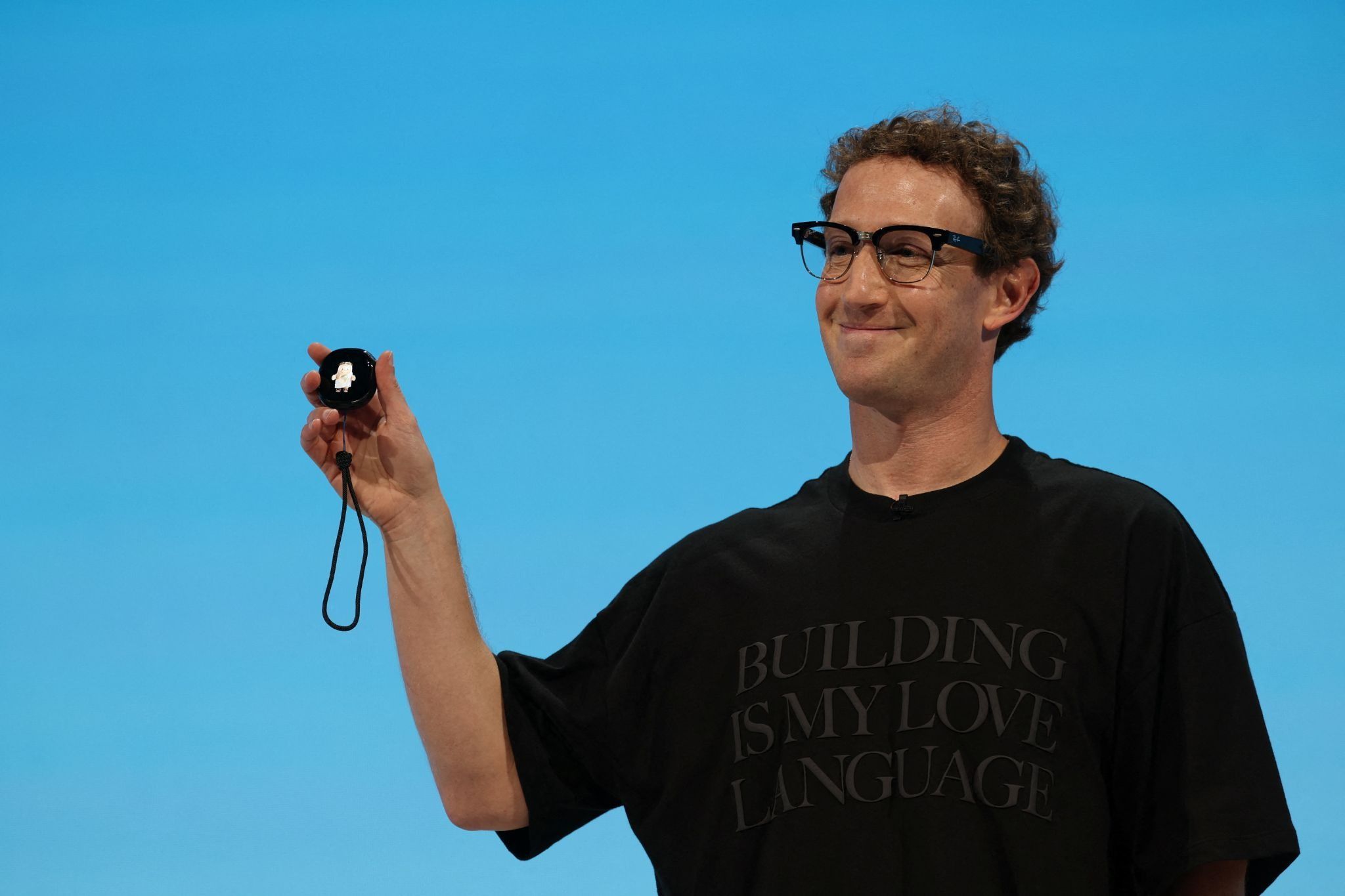
Apple and Meta said they would jointly release a new open-weight AI model designed to run on high-end Macs, ai…
Investors put $38.5 billion into Asian startups in Q3, per Crunchbase data

A longtime Anthropic investor told Fortune he expects shares priced around $1.8 trillion, below the company's…
A non-engineer operator says one person ships four smartphone apps on Google Play, three on the App Store, wit…


