What happened
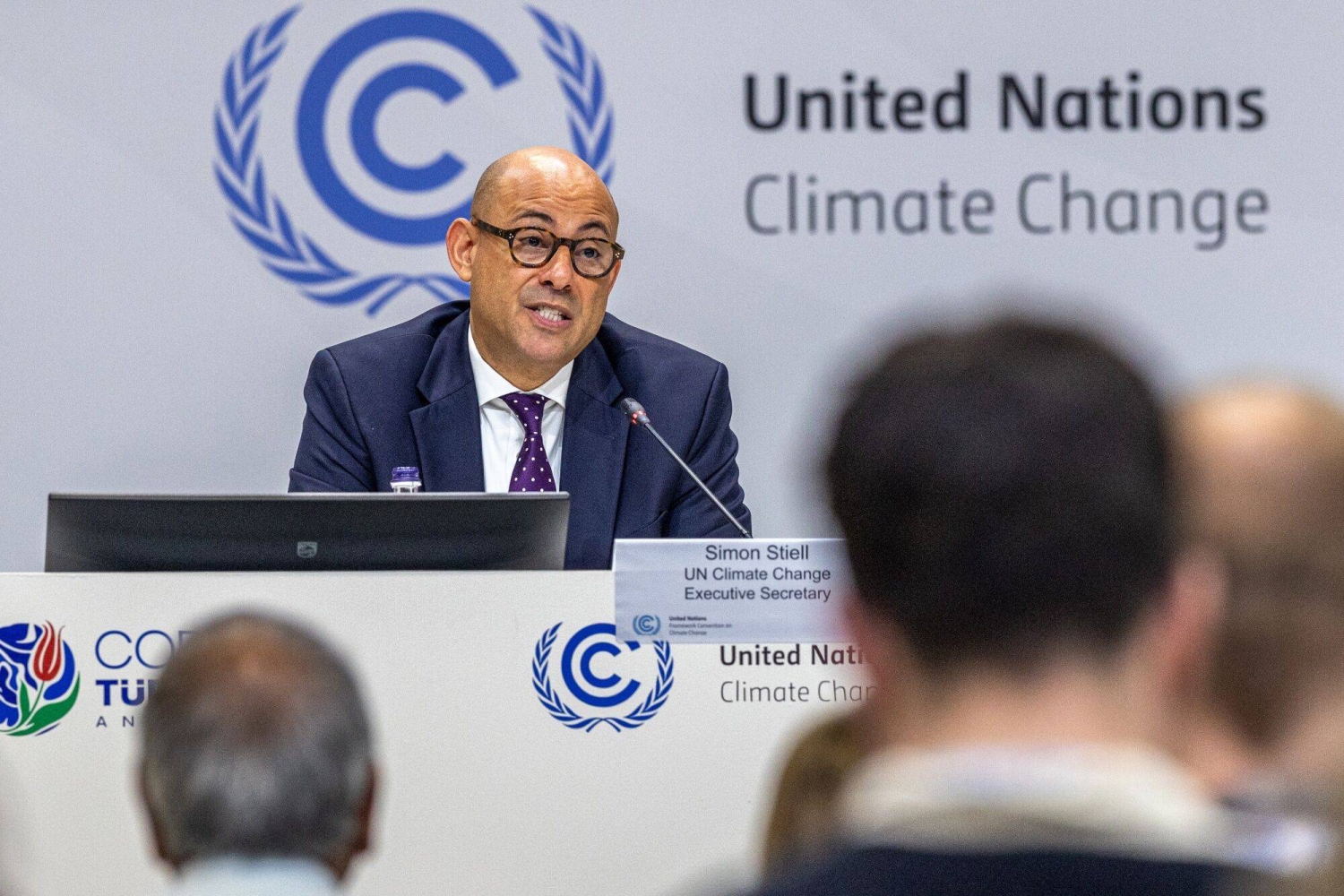
Turkey launched the voluntary 'Antalya Artificial Intelligence Pledge' at COP31 with 80 endorsements, but only nine countries formally signed, and the US, China and EU are absent.
Why it matters
The low government turnout leaves the pledge's reach unclear, since most backers are companies or civil society groups rather than nations.
WHO IT HITSPolicymakers and sustainability officers at AI and cloud companies now face a voluntary pledge whose government backing is thin, while communities near data centers may see little immediate change in disclosure or energy commitments.
Summaries like this, every morning.
The pledge arrives as AI's physical footprint has become harder to ignore. A U.N. study found data centers consumed more electricity in 2025 than all but 10 countries, and their water consumption could meet the annual basic water needs of sub-Saharan Africa's entire population by 2030. In the United States alone, the most powerful data centers accounted for around 2% of electricity consumption, with a carbon footprint comparable to a small European country over a one-year period, according to a study in Nature Sustainability.
Against that backdrop, the voluntary effort lacks the governments and firms most able to shift data-center power sourcing. U.N. Secretary-General Antonio Guterres had already urged AI companies in June to disclose their environmental impact and commit to powering every data center with renewable energy by 2030, a benchmark the pledge does not itself impose.
Critics argue the initiative may substitute for binding action. Jill McArdle of Beyond Fossil Fuels called it a 'distraction' with vague promises that risks giving Big Tech a green stamp without requiring it to address the real climate impacts of its infrastructure. Organizers counter that Monday was only the launch, with ITU deputy secretary-general Tomas Lamanauskas saying '80 is not a limit' and that more endorsements are the goal.
Pick your industry and the AI tools you use, and get news related to your work every day.
Free · 30 seconds with Google · unsubscribe anytimeWhat is AIToday? →
Ask AI anything about this article. The AI reads this article, earlier AIToday articles, and Wikipedia, and cites its sources. Q&As are published on this page for other readers too.

