
What happened
Ai2 released ToyBlocks for free public use on Thursday. The virtual lab simulates its Seattle table, blocks and arm, auto-generating thousands of practice runs so an AI model learns before testing on the real robot.
Why it matters
This offers roboticists a standardized benchmark to compare robots and pinpoint exactly where a model fails, which could accelerate simulation-guided training.
WHO IT HITSRobotics researchers and academic labs gain a free, standardized simulation environment to train and benchmark robot models, potentially reducing reliance on slow, costly human-guided training.
Summaries like this, every morning.
Ai2's ToyBlocks arrives as robotics researchers rethink how robots learn. Most robots are trained today by people steering them through a task again and again, which is slow and costly; getting 10 times more examples means paying for far more hours of human labor. Florian Shkurti, an Ai2 team member and visiting research scientist from the University of Toronto, said of this traditional approach: "We don't think it's scalable." ToyBlocks instead creates computer simulations of the real lab setup Ai2 has in Seattle, and the software automatically generates thousands of different practice runs so the AI model learns from simulation before researchers test how those skills carry over to the real arm.
The approach gained momentum this year. Until recently, many roboticists doubted that simulation data was high quality or abundant enough to be effective. That changed, said Russ Tedrake, a robotics professor at MIT and co-founder and CEO of Walden Robotics, because powerful new AI models from OpenAI and Anthropic made it possible to build detailed simulated scenes on request. "Longtime skeptics are now suddenly hiring simulation engineers," he said. Ai2, long known for open AI research, is newer in robotics; last year it hired Dieter Fox from Nvidia's Seattle robotics lab, and its team of about 15 started as just Fox and two others. Fox said the institute is "way too small" to advance the field alone and needs help from the scientific community.
Ai2's own tests show the challenge. A leading robot AI model from San Francisco startup Physical Intelligence, given 1,000 simulated examples of stacking a green block on a red one, succeeded almost every time on the same patch of table but pretty much failed on another part. "For a person, this would be trivial," Fox said, but the robot had learned to stack blocks in one spot, not to stack blocks. ToyBlocks is a place to test whether more data fixes this, though Fox added that quantity isn't everything: "What really matters is the right kind of diversity in that data."
Pick your industry and the AI tools you use, and get news related to your work every day.
Free · 30 seconds with Google · unsubscribe anytimeWhat is AIToday? →
Ask AI anything about this article. The AI reads this article, earlier AIToday articles, and Wikipedia, and cites its sources. Q&As are published on this page for other readers too.
After logging 1,000 samples of PD control at a 5 ms cycle, the author trained a 2-4-1 MLPRegressor and ran onl…
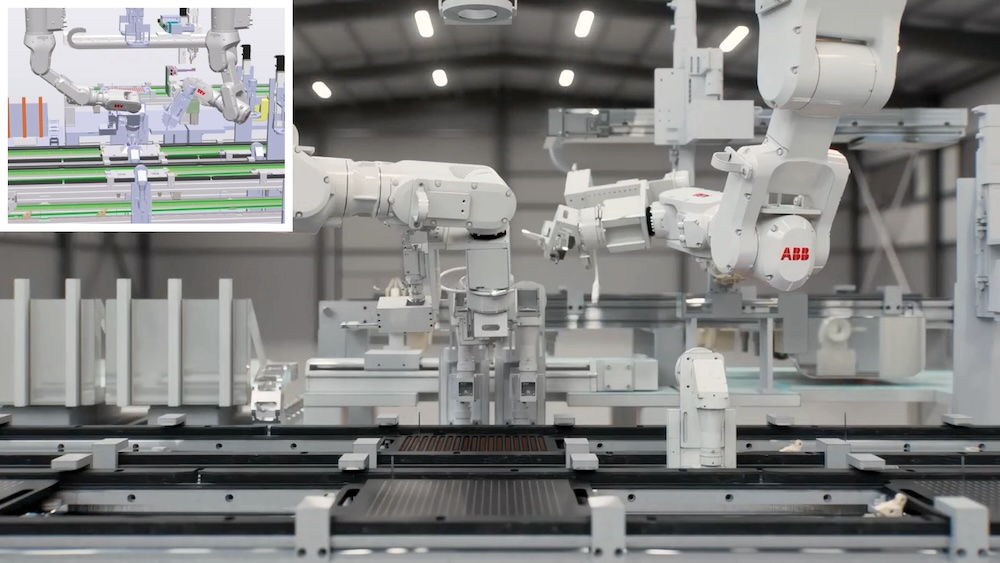
ABB Robotics confirmed to The Robot Report that China's Office of the Working Mechanism for Foreign Investment…
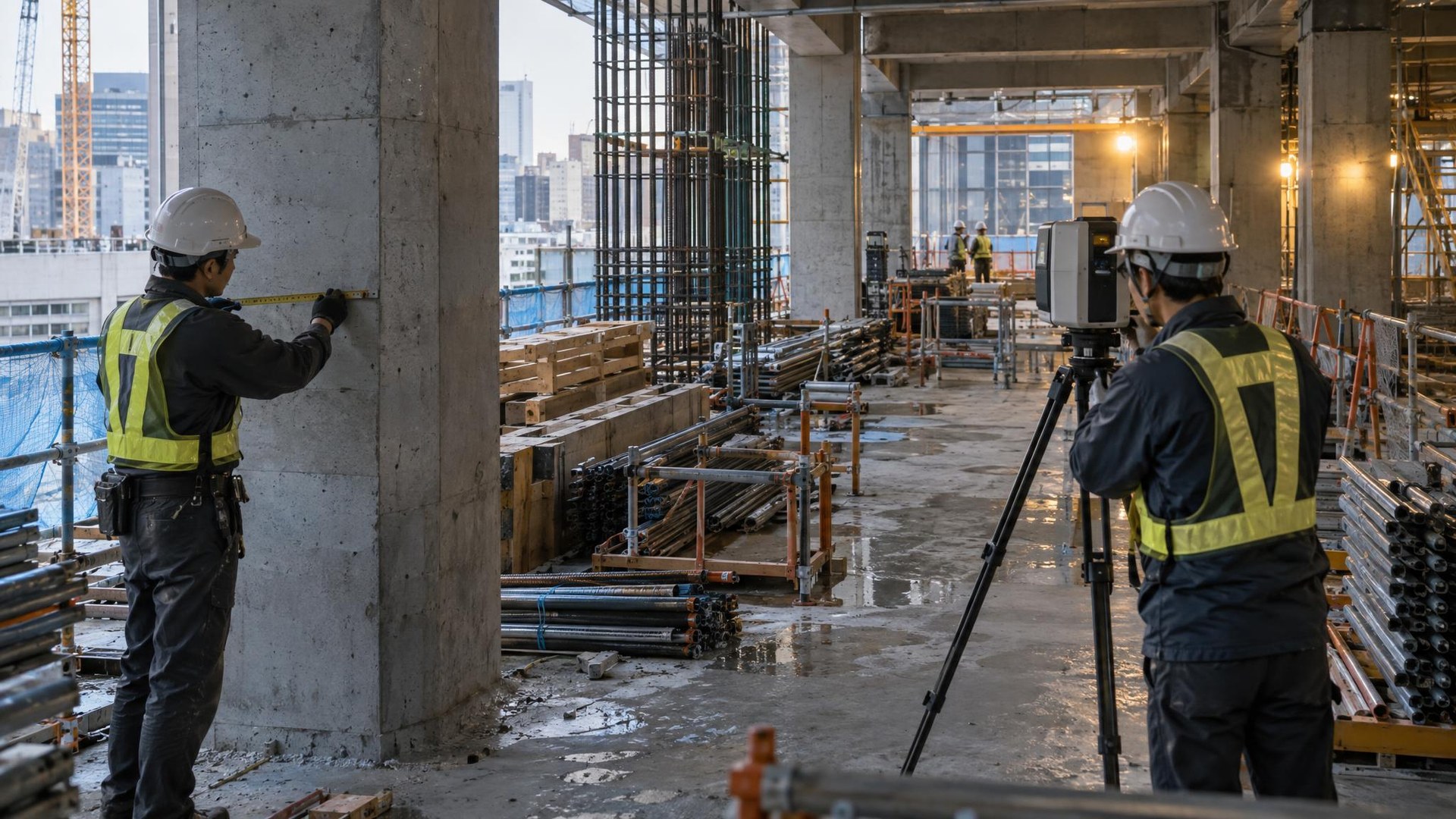
Kajima has begun full-scale deployment of robots running FieldAI's autonomous control software
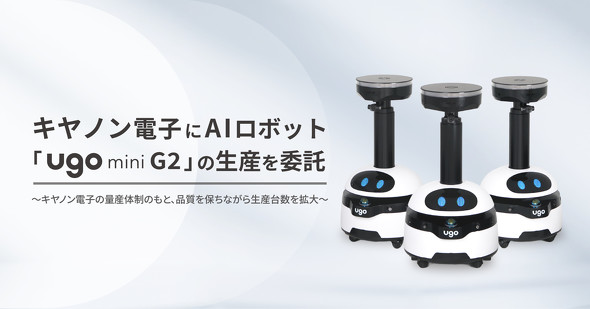
ugo said Canon Electronics began producing its ugo mini G2 inspection robot in October 2026 at the Misato site…
Musk posted on X that Tesla will wind down Cybertruck production at Gigafactory Texas around the middle of nex…
Equipment World published a deep dive into Caterpillar's AI assistant on a mini excavator