What happened
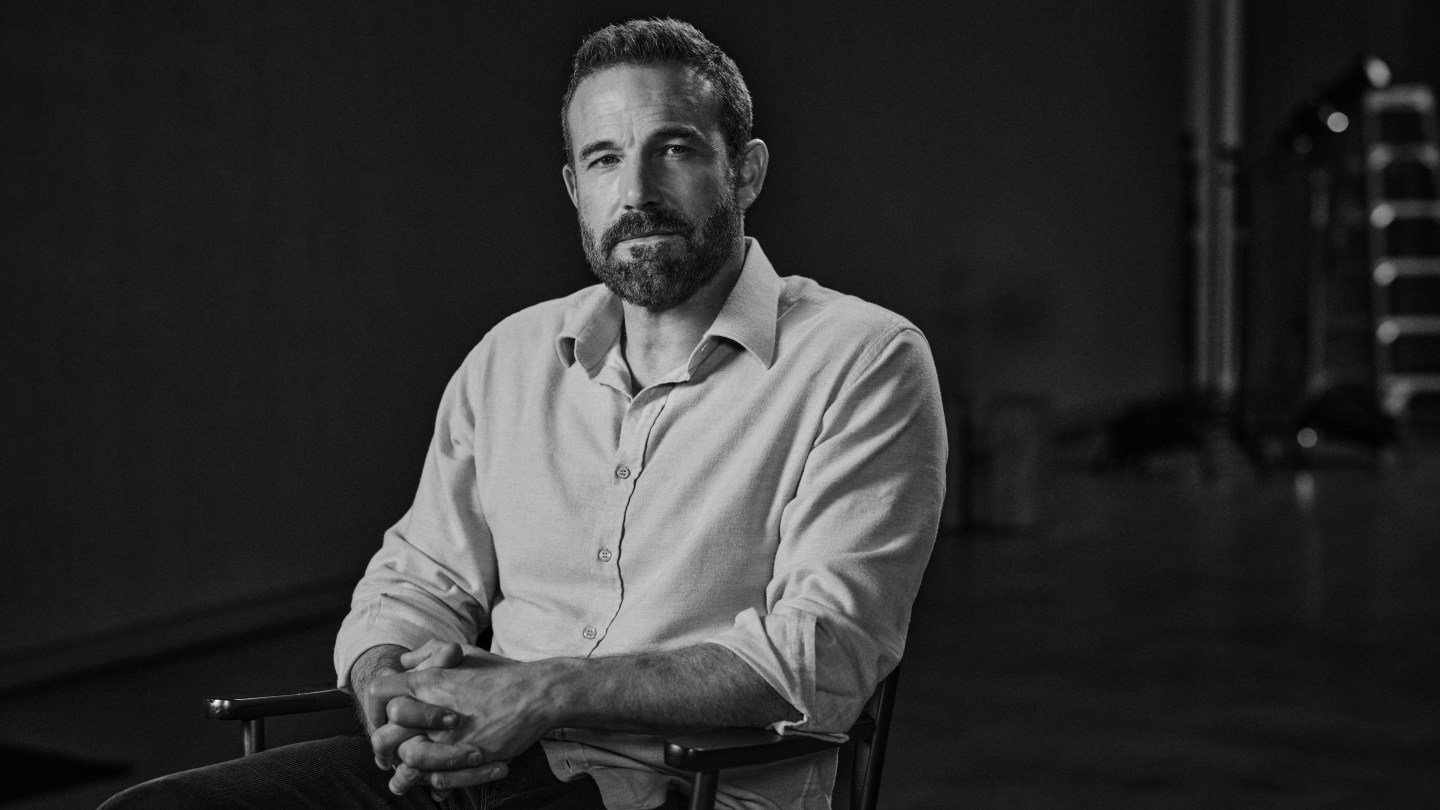
Netflix acquired InterPositive, Ben Affleck's AI company, for $587 million(約940億円) in cash in March 2026, according to an SEC filing released Friday. Affleck committed to work as a senior advisor to the company as part of the deal.
Why it matters
InterPositive was built to apply AI to filmmaking while protecting human creativity—training models to understand visual logic and editorial consistency in post-production tasks like shot completion, background replacement, and lighting correction. Netflix co-CEO Ted Sarandos said roughly 300 of the company's titles now use AI in their production process, with the largest concentration in post-production, enabling faster and cheaper output than traditional methods.
What to watch
Netflix cited The American Experiment, a Tom Hanks-backed documentary, as a proof point: 17 minutes of AI-enhanced footage was produced twice as fast and at half the cost of previous options, and allowed the series scope to expand in ways that would not have been feasible otherwise.
Ask the AI about this article →
Summaries like this, in your inbox every morning.
InterPositive emerged from Ben Affleck's exploration of AI's role in filmmaking starting in 2022, born from a conviction that technology should serve the creative industry without replacing human artistry. The company captured proprietary data on a closed soundstage and built a model specifically trained on the visual and editorial logic of film production—addressing practical, recurring problems like missing shots or inconsistent lighting that typically consume time and budget in post-production. Netflix's $587 million(約940億円) investment reflects the streaming giant's broader bet on generative AI across the creative pipeline. Co-CEO Ted Sarandos highlighted this strategy in recent earnings commentary, noting that AI workflows span from concept and pre-visualization through post-production and delivery. The concrete example of The American Experiment—17 minutes of AI-enhanced footage completed in half the time at half the cost—suggests that Netflix sees measurable productivity gains, not just incremental efficiency. The scale (roughly 300 titles already using AI) indicates the company is moving beyond pilot phase into mainstream production integration.
For example, today's edition would include:
AI-summarized, only the topics you pick — one digest a day via Email, Slack, or Discord.
Free · 30 seconds with Google · unsubscribe anytimeWhat is AIToday? →
Ask AI anything about this article. Q&As are published on this page for other readers too.
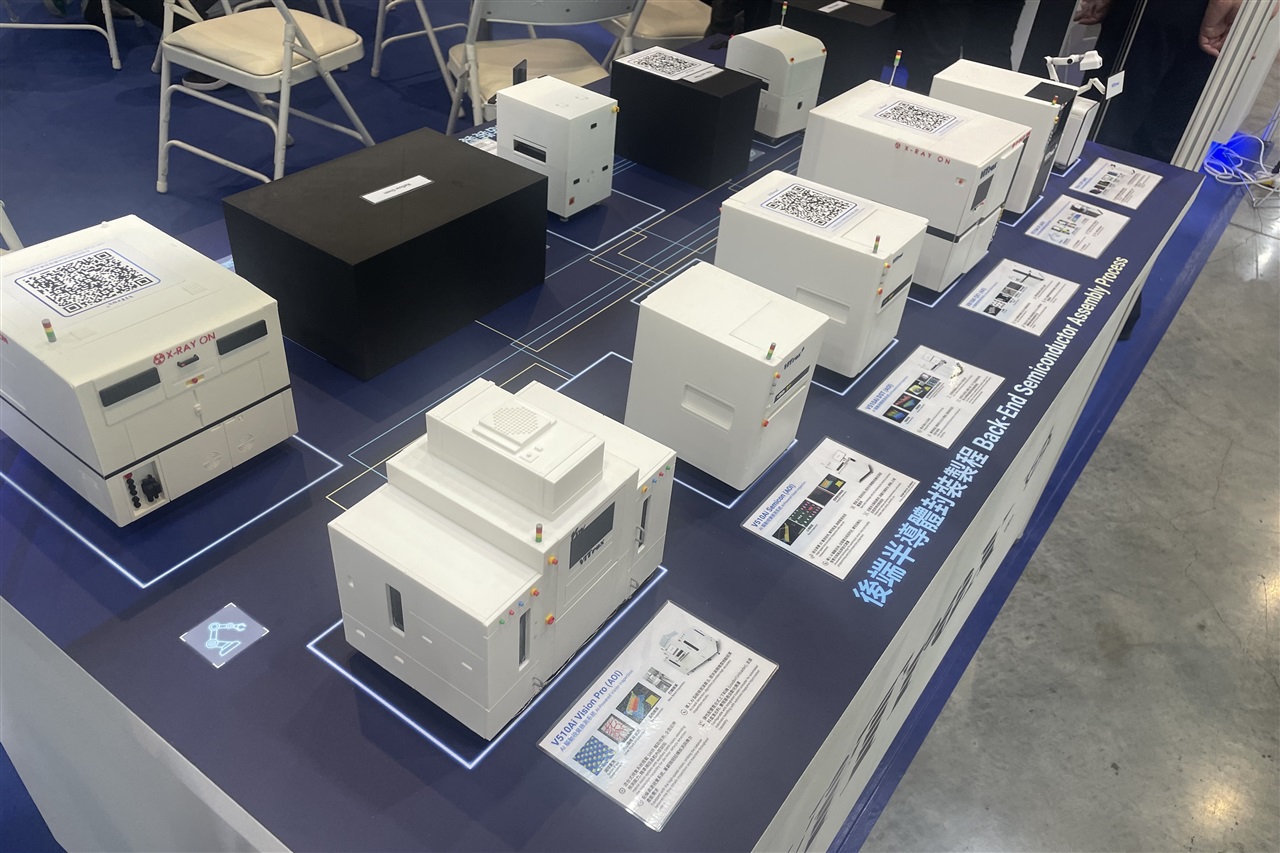
ViTrox, a Malaysia-based inspection equipment maker, returned to SEMICON Taiwan this year after several years…
Thibault Sottiaux, who leads Codex at OpenAI, announced on September 7 that all paid users' usage limits would…

Google started general availability of Gemini 3.8 Flash
Dell reported fiscal 2027 second-quarter revenue of $47 billion, up 58% year over year, with adjusted EPS up 2…

Polaris.AI announced on September 7, 2026 the launch of its Drawing x AI Application Solution for manufacturin…

G-gen's横澤綜一 and大津和幸 demonstrated Google Workspace Studio, a no-code automation tool, using Gemini natural-lang…