
John Ternus, Apple's senior vice president of hardware engineering, is now positioned as the leader of Apple's hardware future. This move reflects Apple's bet that the company's competitive advantage comes from designing its own silicon chips and devices (like the M-series processors in MacBooks and the A-series in iPhones) rather than relying on standard components that rivals can also buy.
When a company controls both hardware design and software, it can optimize them together in ways competitors cannot match—similar to how Tesla designs its own electric-motor controllers rather than using off-the-shelf parts. Apple's custom chips already run 15–25% faster than equivalent Intel or Qualcomm processors for the same power consumption, letting devices stay thinner and run longer on battery.
For you as a user or business buyer: Apple products will likely become harder to replace with cheaper alternatives, because the performance gap will keep widening. For competitors like Dell or HP selling Windows laptops, it means they'll need to find a new way to compete on speed and battery life—not just on price. For investors, this signals Apple is doubling down on moat-building (creating structural advantages that are hard for competitors to copy) rather than incremental improvements.
Ask the AI about this article →
For example, today's edition would include:
AI-summarized, only the topics you pick — one digest a day via Email, Slack, or Discord.
Free · takes 30 seconds · unsubscribe anytimeWhat is AIToday? →
Ask AI anything about this article. Q&As are published on this page for other readers too.
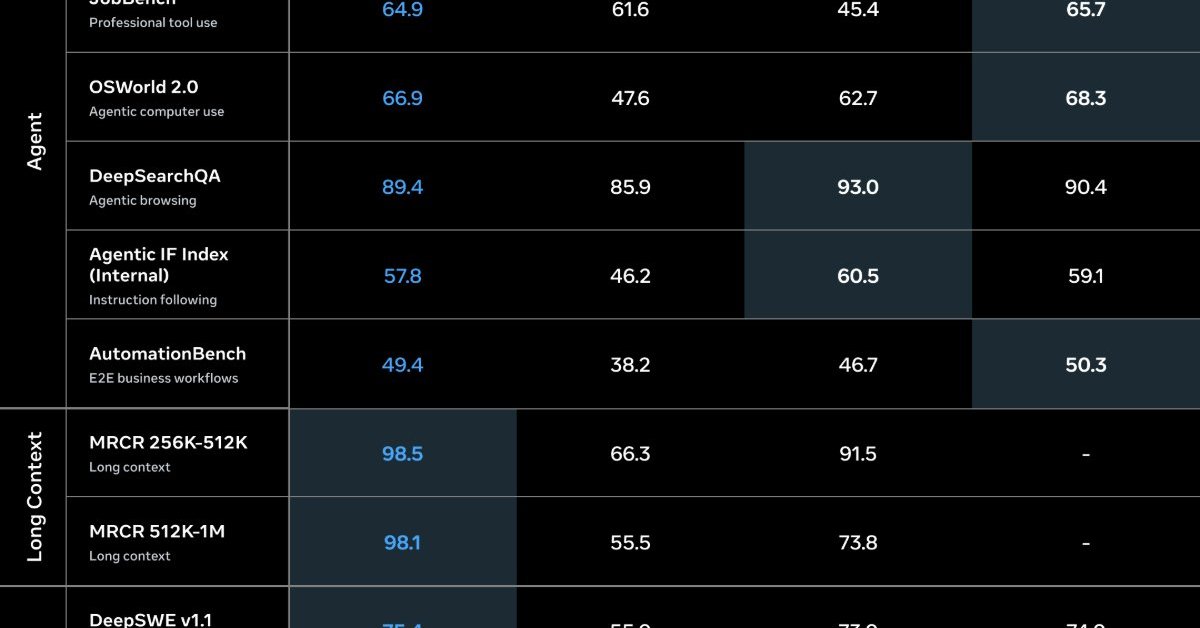
Meta announced Muse Spark 1.3 on September 2 and started offering it to developers through Muse Code and the M…
Oracle has announced a toolkit for developing AI applications, integrating its AI Database with Java MCP Toolk…

GitHub's podcast episode and a guide explain new AI-related terms in software development, including loop engi…

Google released Gemini 3.8 Flash, its third Flash model in six weeks

GitHub shared four efficiency upgrades for its AI coding agent Copilot

GitHub shared how it made Copilot more cost-efficient through four changes, including removing unused line num…