What happened
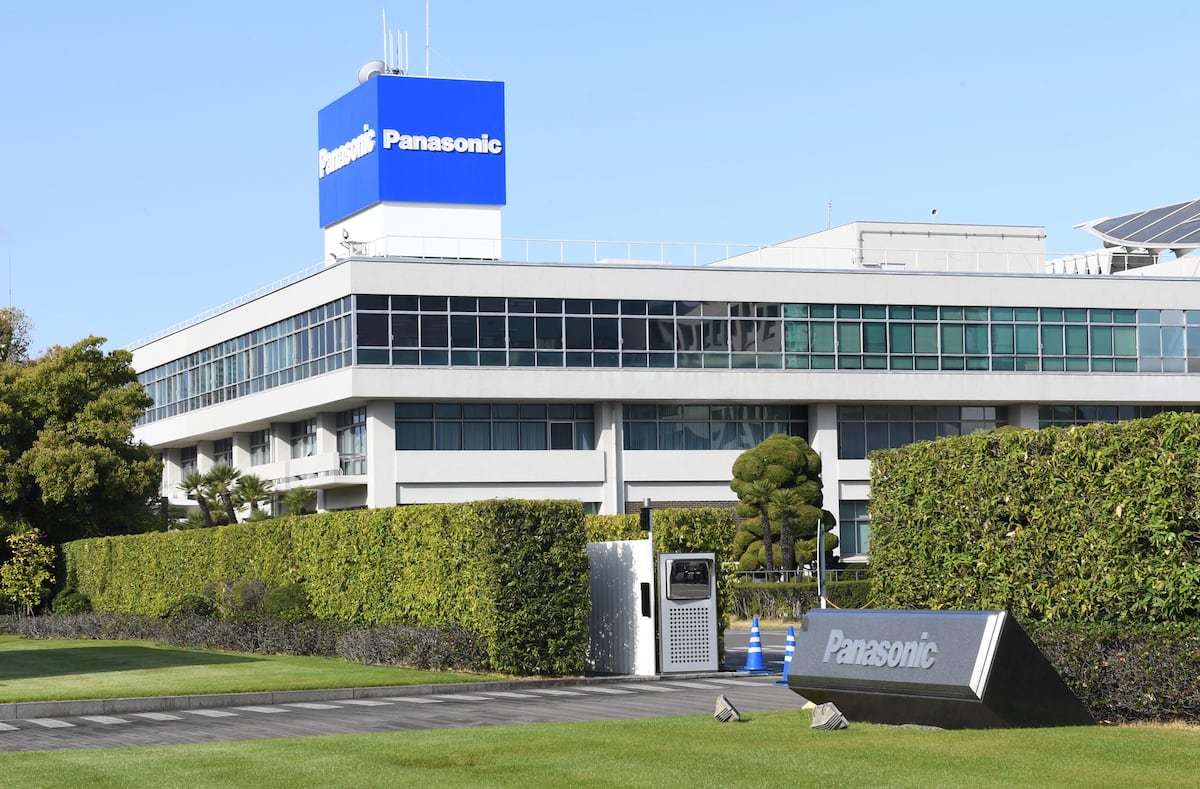
Panasonic Holdings said on November 11 it will develop physical AI — AI paired with robots — through a 250-person team under its AI & Robotics R&D Division, newly set up on October 1.
Why it matters
The team will teach AI the tacit know-how of skilled workers, such as how much force to apply in assembly, and may offer the results as products or services outside the group, so manufacturing-site expertise could become a sellable offering.
WHO IT HITSFactory and warehouse operators stand to gain if Panasonic turns skilled workers' force-and-position know-how into AI-driven process improvements; the group's own plants will serve as the first proving ground before any outside offering.
Summaries like this, every morning.
Panasonic is framing physical AI as a way to capture knowledge that normally stays with veteran workers. On the factory floor, the positional relationships of parts, friction and the force applied during assembly are hard to express in drawings, and the company currently relies on people to read sensor data and decide on fixes. Panasonic's plan has AI interpret that data and feed it into process improvement instead.
The effort sits under the AI & Robotics R&D Division established on October 1, with priority areas including three-dimensional spatial recognition, precise robot control and multimodal AI that handles several kinds of information at once. Panasonic says it will verify results at group factories before considering external products and services.
Akira Sakakibara, the group's CAIO, said the near-term focus is manufacturing and supply-chain sites, and he left the door open to warehouses and logistics. That sequencing suggests the group's own operations are meant to prove the technology before it is offered more widely.
Pick your industry and the AI tools you use, and get news related to your work every day.
Free · 30 seconds with Google · unsubscribe anytimeWhat is AIToday? →
Ask AI anything about this article. The AI reads this article, earlier AIToday articles, and Wikipedia, and cites its sources. Q&As are published on this page for other readers too.
BlackRock shifted its AI bets and added equity risk in a new model shakeup, according to Bloomberg

BlackRock's Jean Boivin said a slowdown in AI buildout would have a material real-economy impact, while Morgan…

Fierce Network reports that AI agents are operating in production environments, with the implication that they…

Uber Engineering detailed a framework with three layers — provisioning through its Uber AI Registry, with sour…

QTS, backed by Blackstone, cut its planned private debt sale by about 60%, raising roughly $300 million instea…

CVS Health, Cigna and Abridge are collaborating with OpenAI to test computer-use agents, as reported from HLTH…