
What happened
On June 1, Uber Technologies, Autobrains, and NVIDIA announced a collaboration to launch a robotaxi program in Munich. The initiative combines Uber's ride-hailing platform, Autobrains' Agentic AI (self-directing AI agents), and NVIDIA's DRIVE Hyperion computing platform. The partners plan to build a vehicle-agnostic model—meaning it will work with multiple automakers' vehicles rather than requiring purpose-built cars—and will await government approval before expanding.
Why it matters
The robotaxi industry has been held back by high costs: custom vehicles, heavy sensors, and complex architectures make autonomous ride-hailing expensive and slow to scale. Autobrains' approach reduces this friction by enabling real-time data processing, standard sensor integration, and deployment across different vehicle types. Uber's head of autonomous mobility noted that the real challenge is not building autonomous cars, but integrating them into a commercial network at scale—a problem this program directly addresses.
What to watch
Munich was selected as the pilot city because of its complex road networks, dense city streets, and supportive regulatory environment. Success here could demonstrate whether a simpler, vehicle-agnostic approach can work in a demanding real-world setting and pave the way for broader commercial deployment.
Summaries like this, in your inbox every morning.
Pick your industry and the AI tools you use, and get news related to your work every day.
Free · 30 seconds with Google · unsubscribe anytimeWhat is AIToday? →
Ask AI anything about this article. The AI reads this article, earlier AIToday articles, and Wikipedia, and cites its sources. Q&As are published on this page for other readers too.
Danaher announced a collaboration with NVIDIA combining its instruments, automation and workflow software with…
OpenAI presented a 166-page potential Navier-Stokes proof in early September, saying it followed the approach…

Researchers gave models 1,600 synthetic work logs, each with a hidden flaw
A simulation of Crescendo, the multi-turn jailbreak by Russinovich, Salem and Eldan published at USENIX Securi…

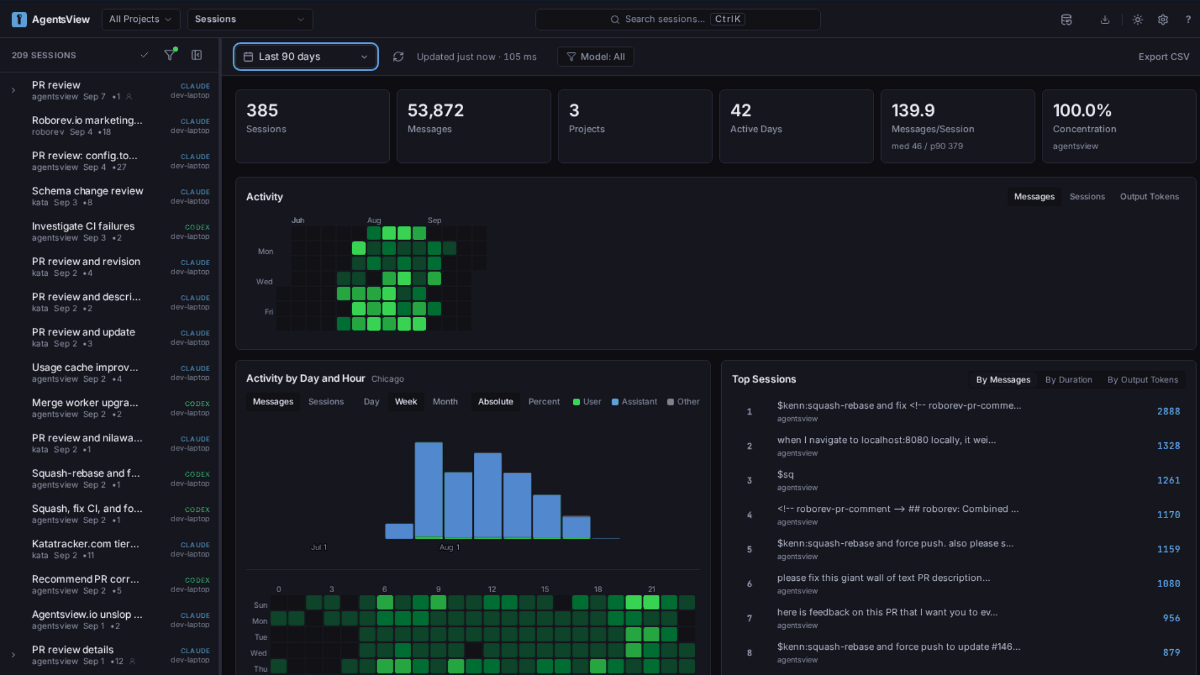
AgentsView automatically detects the local logs of Claude Code, Codex, Cursor, Copilot, Gemini and 60-plus oth…
Genomic foundation models like Evo 2, Genos and Google DeepMind's AlphaGenome learn correlations from DNA sequ…