
What happened
CrowdStrike trades near 177 times forward earnings and 167 times free cash flow, while Palo Alto Networks trades roughly 94 and 78 times, even as Palo Alto's fiscal Q4 revenue rose 34% to $3.41 billion and CrowdStrike's fiscal Q2 rose 26% to $1.47 billion.
Why it matters
The gap means investors are paying far more per dollar of CrowdStrike's earnings and cash flow than Palo Alto's, even though Palo Alto is growing revenue faster. CrowdStrike's pitch is a cleaner organic story, while Palo Alto's is faster growth at a lower multiple, so the valuation difference reflects a bet on growth quality versus price.
What to watch
Palo Alto must prove its NGS ARR growth stays durable once acquisition-assisted comparisons normalize, and its fiscal Q4 GAAP net loss shows integration and accounting costs remain. CrowdStrike's own risk is the price: at more than 160 times free cash flow, even strong execution leaves little room for a slowdown.
WHO IT HITSPortfolio managers and retail investors comparing AI cybersecurity stocks face a choice between CrowdStrike's premium multiple and Palo Alto's faster growth at a lower multiple. Hedge funds have already positioned: 89 funds held each stock in Q2, with D. E. Shaw raising its CrowdStrike stake 18% and Fisher Asset Management boosting its Palo Alto position 2,143%.
Summaries like this, in your inbox every morning.
The comparison lands at a moment when both companies have strengthened their operating evidence. CrowdStrike's fiscal second-quarter revenue rose 26% to $1.47 billion, ending ARR increased 25% to $5.84 billion, and net new ARR hit a record $333 million. Palo Alto's fiscal fourth-quarter revenue rose 34% to $3.41 billion, and its Next-Generation Security ARR jumped 63% to $9.10 billion. The two also rallied together recently while the broader AI trade sold off, and Jensen Huang's cybersecurity thesis is already being tested through CrowdStrike's work with Nvidia.
The valuation gap is the central tension. CrowdStrike's bull case rests on Falcon consolidating endpoint, identity, cloud and AI security workloads onto one platform, which can preserve high gross margins and expand wallet share without requiring acquisitions to create every new category. Its bear case is simply the price: at more than 160 times free cash flow, even strong execution leaves little room for a meaningful slowdown. Palo Alto's bear case is complexity, as its platform expansion has come with acquisitions, integration work and accounting costs, and the latest quarter still produced a GAAP net loss despite strong adjusted profitability. Palo Alto also has to prove that rapid NGS ARR growth can remain durable after acquisition-assisted comparisons normalize.
Hedge-fund ownership offers a snapshot of institutional positioning. Both stocks reached 89 funds in Q2. CrowdStrike rose from 79 holders, with D. E. Shaw increasing its stake 18% to 8.53 million shares. Palo Alto rose from 87, while Fisher Asset Management increased its position 2,143% to 5.76 million shares. As of August 31, Palo Alto short interest was 21.41 million shares, 2.66% of float, with 3.9 days to cover. The outcome likely hinges on whether Palo Alto can keep its growth pace without acquisition-assisted comparisons and whether CrowdStrike's premium multiple can be justified by continued execution.
For example, today's edition would include:
AI-summarized, only the topics you pick: one digest a day via Email, LINE, or Slack.
Free · 30 seconds with Google · unsubscribe anytimeWhat is AIToday? →
Ask AI anything about this article. The AI reads this article, earlier AIToday articles, and Wikipedia, and cites its sources. Q&As are published on this page for other readers too.
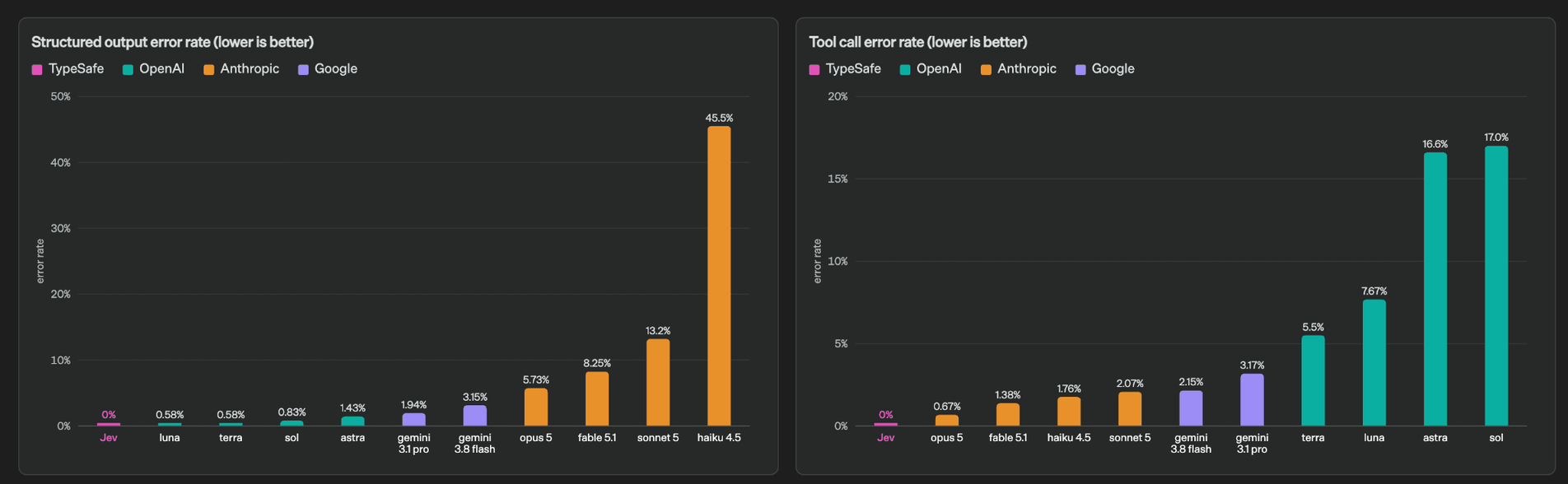
On 2026年9月15日, TypeSafe AI published System One Model and opened early access to Jev, which returns only type-…
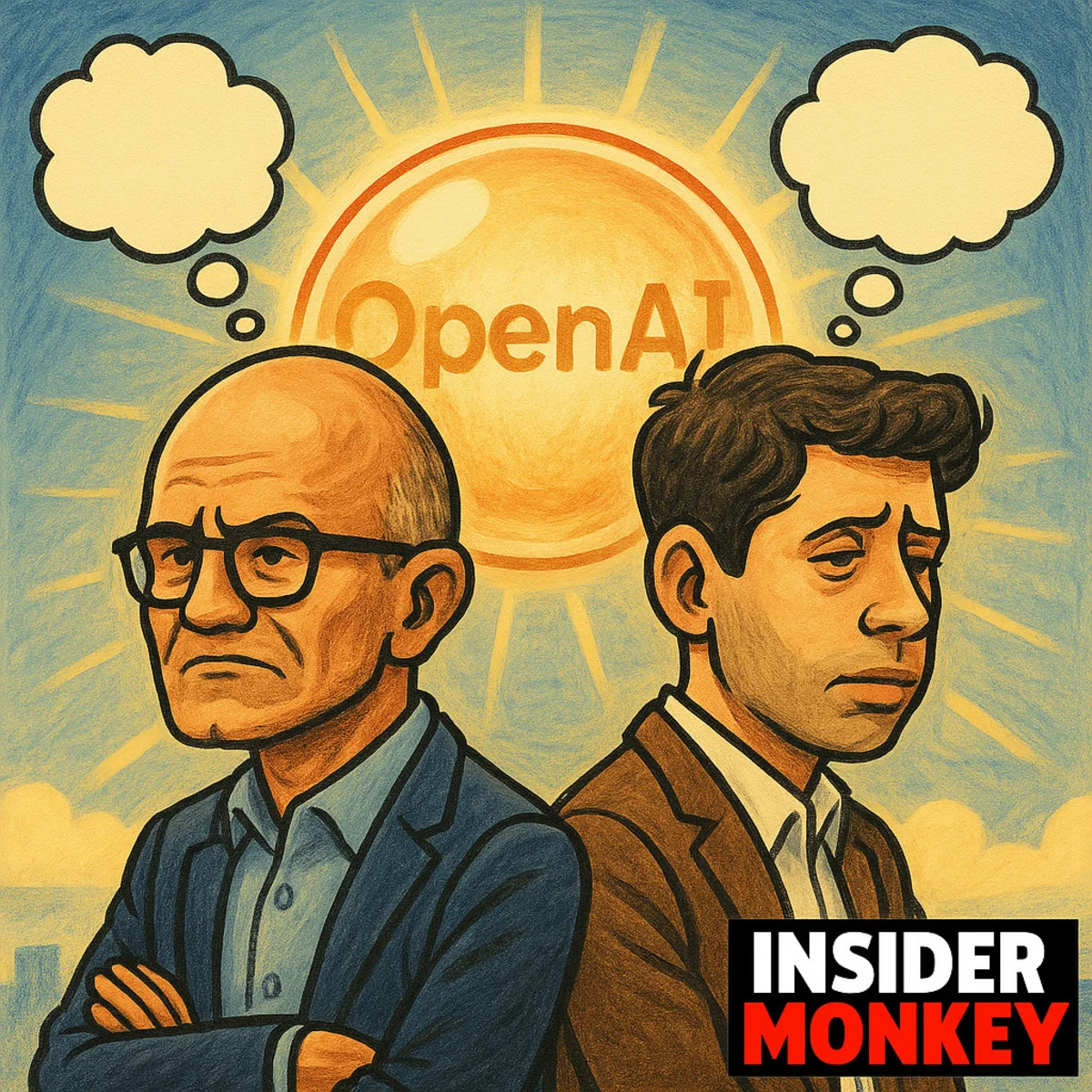
Microsoft's Azure revenue grew 43%, Microsoft Cloud revenue rose 27% to $59.3 billion, and Amazon's AWS second…
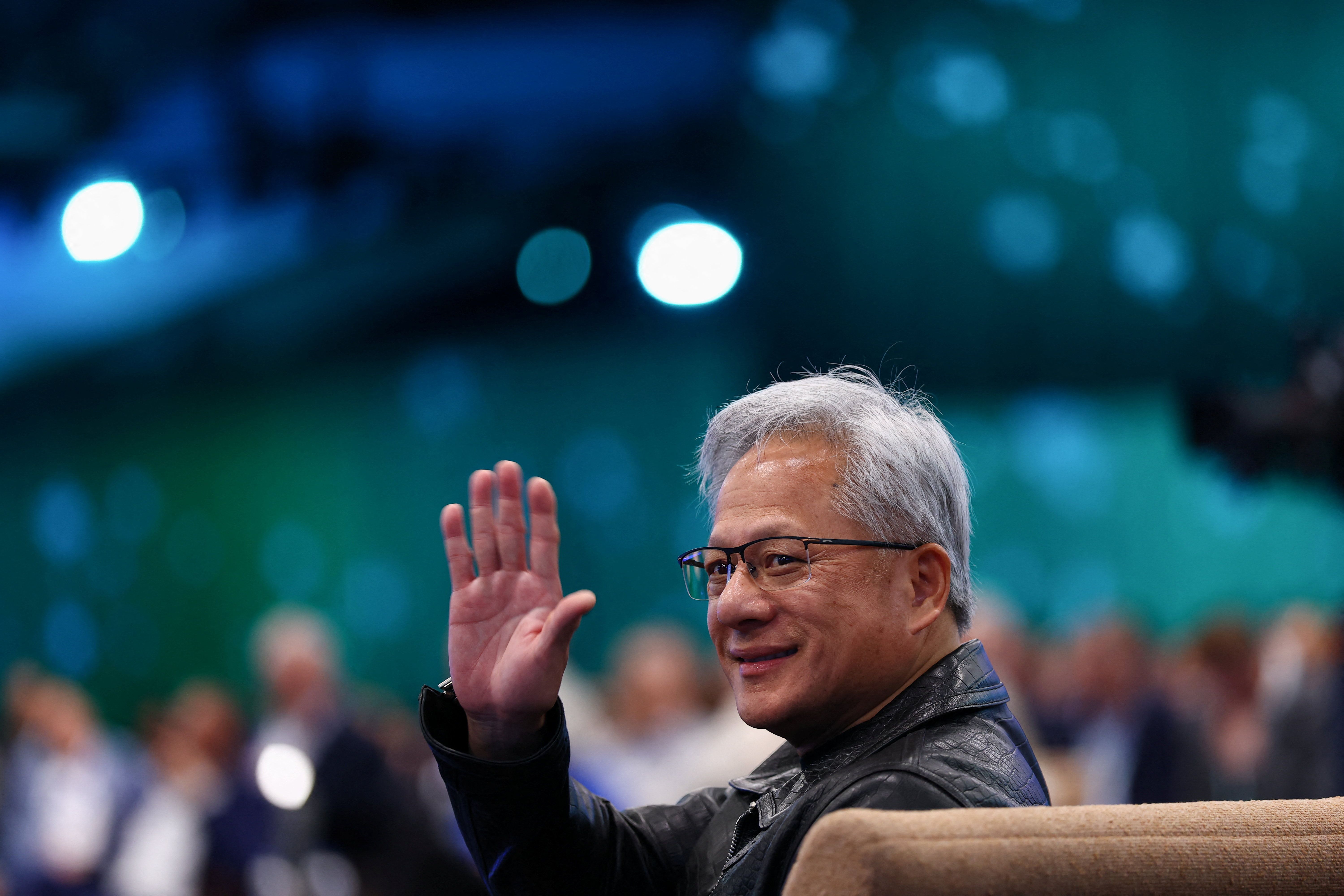
Nvidia CEO Jensen Huang called fears over AI's existential threats a "distraction" on The Ezra Klein Show, as…
Anthropic said Claude largely on its own found an unknown enzyme system, "ART," in DNA databases

The Forecasting Research Institute found AI reached gold-medal level at the International Mathematical Olympia…

OpenAI is preparing to preview GPT-6 Cyber in the coming weeks, with a limited number of Daybreak Red program…