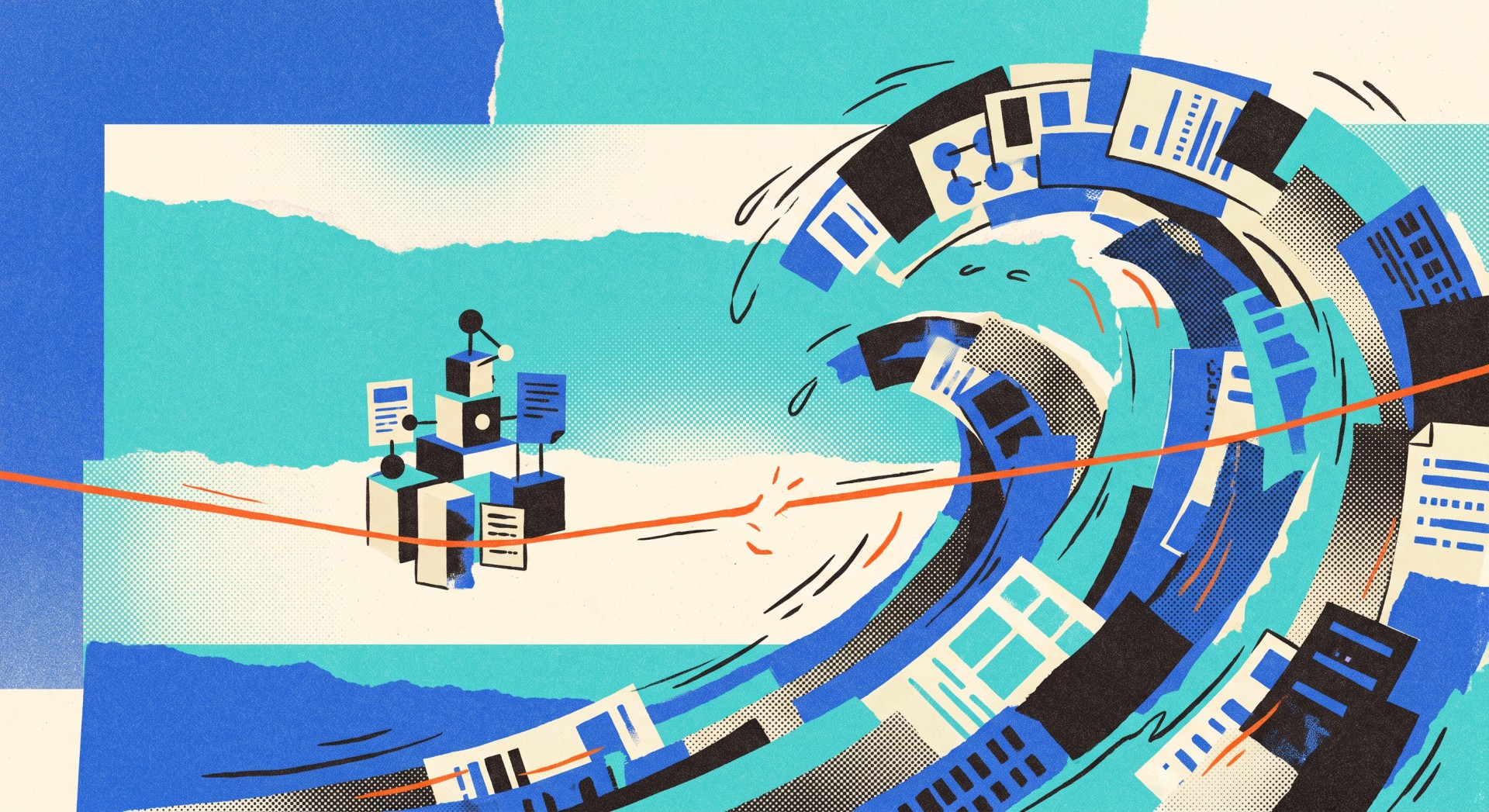
A study by researchers at Anthropic, Stanford, and other institutions found that small models can fail to reliably learn tasks that make up just 0.25 percent of the training data, while only larger models learn such rarely interspersed tasks. The team trained OLMo models ranging from 4 million to 4 billion parameters on up to 210 billion tokens from the Dolma corpus, mixing in artificial tasks like number comparison and modular addition at varying frequencies.
The mechanism: smaller models fall into an 'update-and-forget' loop where rare task signals are erased by subsequent training steps on frequent tasks, whereas larger models retain enough capacity to hold onto rare signals between observations. Once a large model masters frequent tasks, freed-up capacity allows it to build on rare patterns, while small models rarely reach that point.
The study proposes a practical alternative: instead of scaling up model size, increasing the frequency of a target task in training data can anchor a specific skill in smaller models, rather than requiring larger models to learn the rare task.
Summaries like this, in your inbox every morning.
Pick your industry and the AI tools you use, and get news related to your work every day.
Free · 30 seconds with Google · unsubscribe anytimeWhat is AIToday? →
Ask AI anything about this article. The AI reads this article, earlier AIToday articles, and Wikipedia, and cites its sources. Q&As are published on this page for other readers too.
ElevenLabs completed a $300 million employee tender at a $22 billion valuation, and co-founder Mati Staniszews…
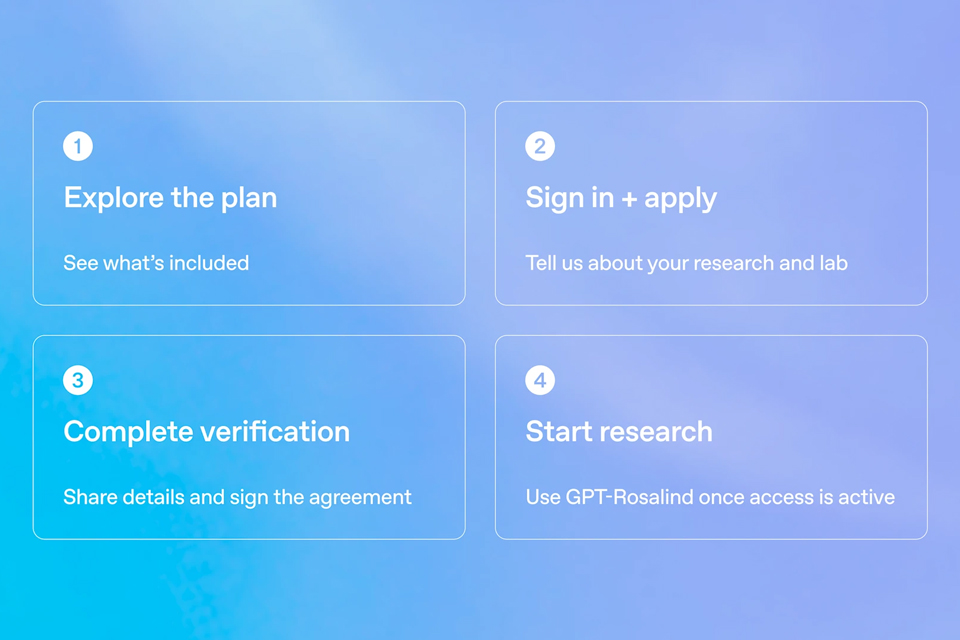
On October 15, OpenAI announced the Rosalind Academic Plan, giving approved US university labs free access to…
A Qiita article compared automated red-teaming methods for LLM apps — GCG, PAIR, and TAP — using mock implemen…

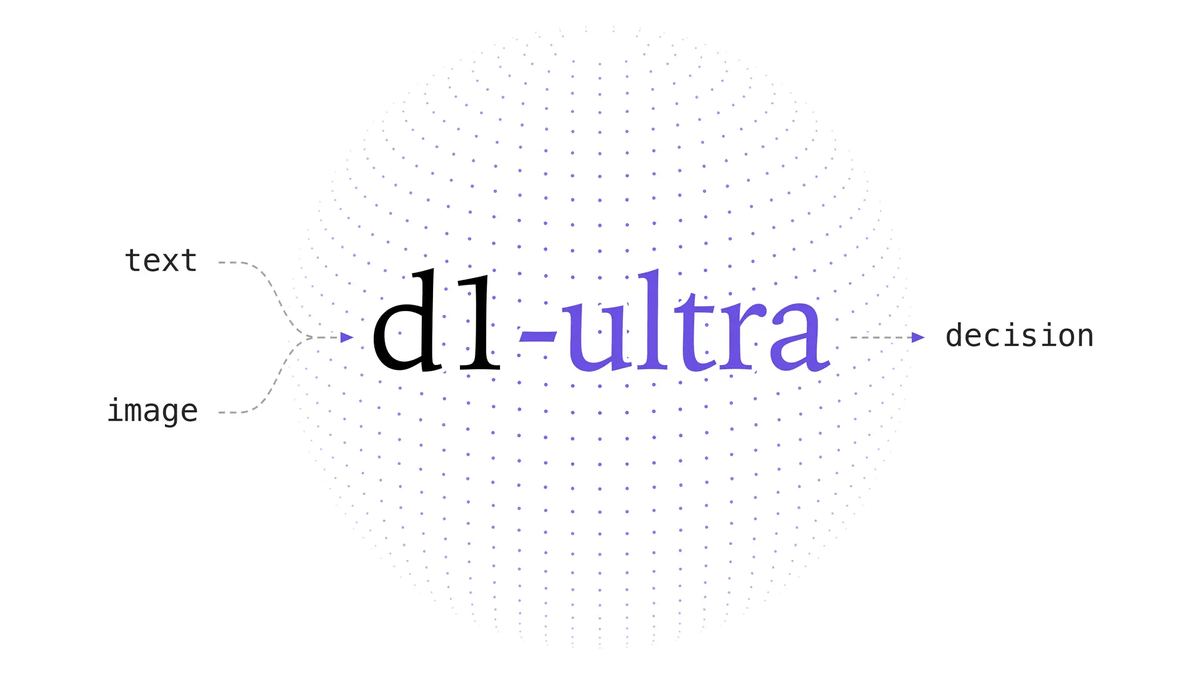
Liquid AI released d1-ultra on October 15, 2026, an upgraded open-weights decision model that averaged 76.7 ac…
Circlia started a proof-of-concept for TASTE SIGNAL: visitors to Holland Village Cafe FUKUOKA taste cookies an…

In a webinar hosted by French Mathematical Society president Isabelle Gallagher, Fields Medal winner Hugo Dumi…

