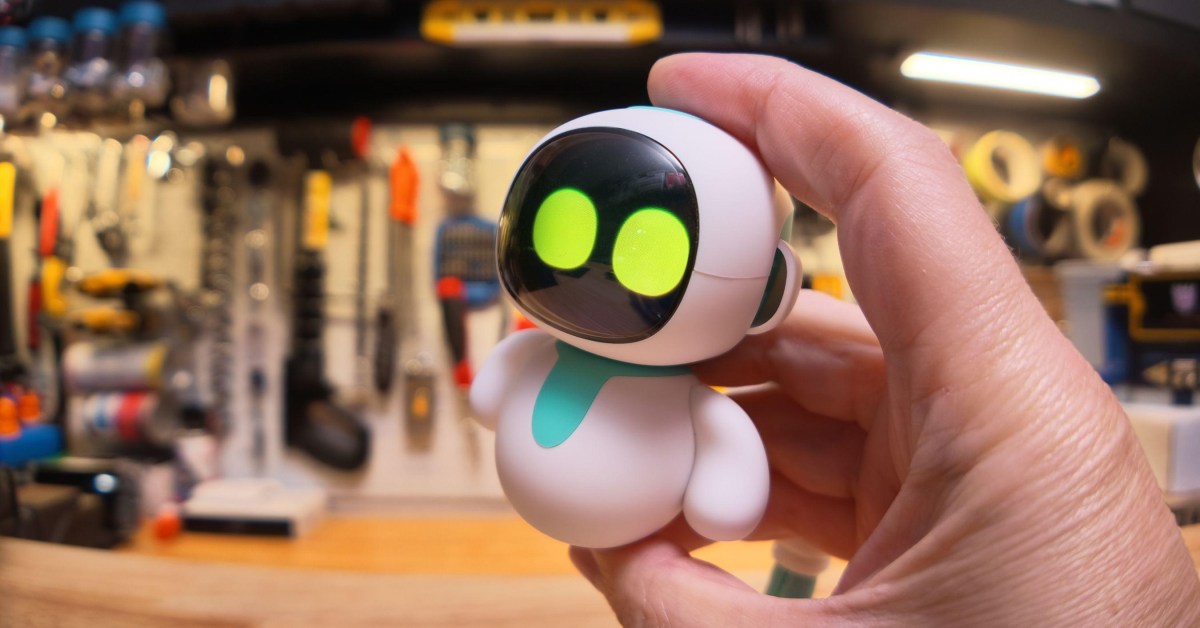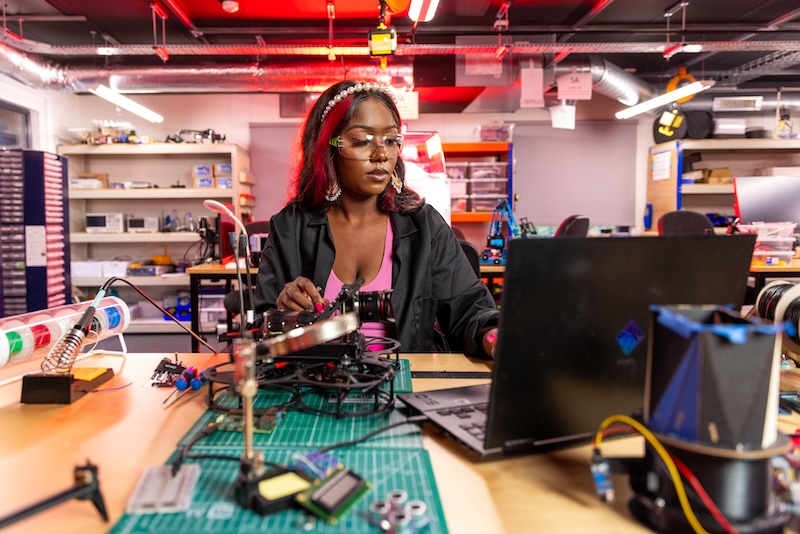
Connected IoT systems now link production equipment, warehouse systems, sensors and monitoring platforms into unified networks, enabling real-time monitoring of temperature, equipment vibrations, cycle times and material consumption across production lines.
AI software embedded in manufacturing facilities analyzes thousands of production variables to support predictive maintenance scheduling, inventory forecasting, quality assurance monitoring, energy consumption analysis, and workflow optimization—a capability especially critical in the custom chip industry where minor inconsistencies can result in significant financial losses.
Industrial robots have evolved beyond repetitive motion; collaborative robots now handle packaging, inspection, assembly and material transportation in production processes requiring constant changes, while physical infrastructure—robust tooling, maintenance frameworks, and specialized industrial hardware—remains essential even in highly automated facilities.
Summaries like this, in your inbox every morning.
Pick your industry and the AI tools you use, and get news related to your work every day.
Free · 30 seconds with Google · unsubscribe anytimeWhat is AIToday? →
Ask AI anything about this article. The AI reads this article, earlier AIToday articles, and Wikipedia, and cites its sources. Q&As are published on this page for other readers too.
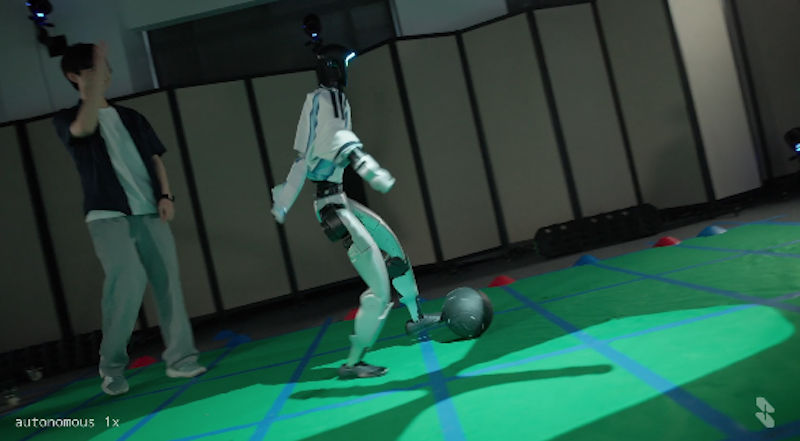
Skild AI used Nvidia Isaac Sim to give its S1 model one objective — score a goal — and let it compete against…
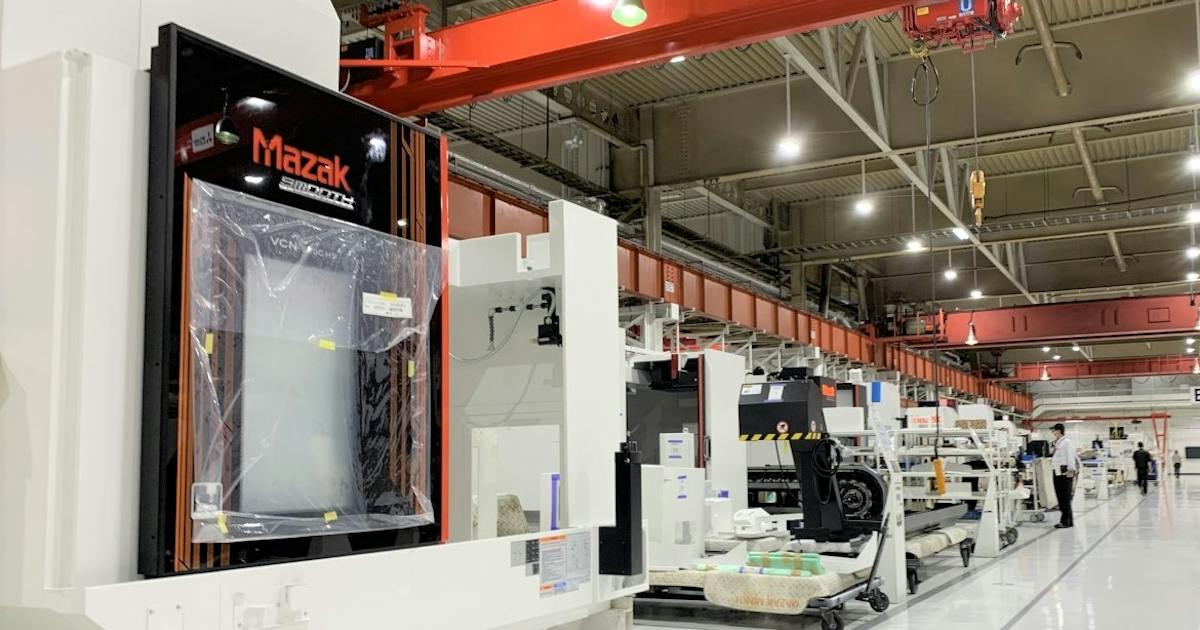
Yamazaki Mazak and ABEJA said on the 16th they will start joint development of physical AI, using ABEJA's ABEJ…
Toyota Motor's Japan Mobility Show Bizweek 2026 booth centers on its AI basketball robot CUE7, has no other ex…
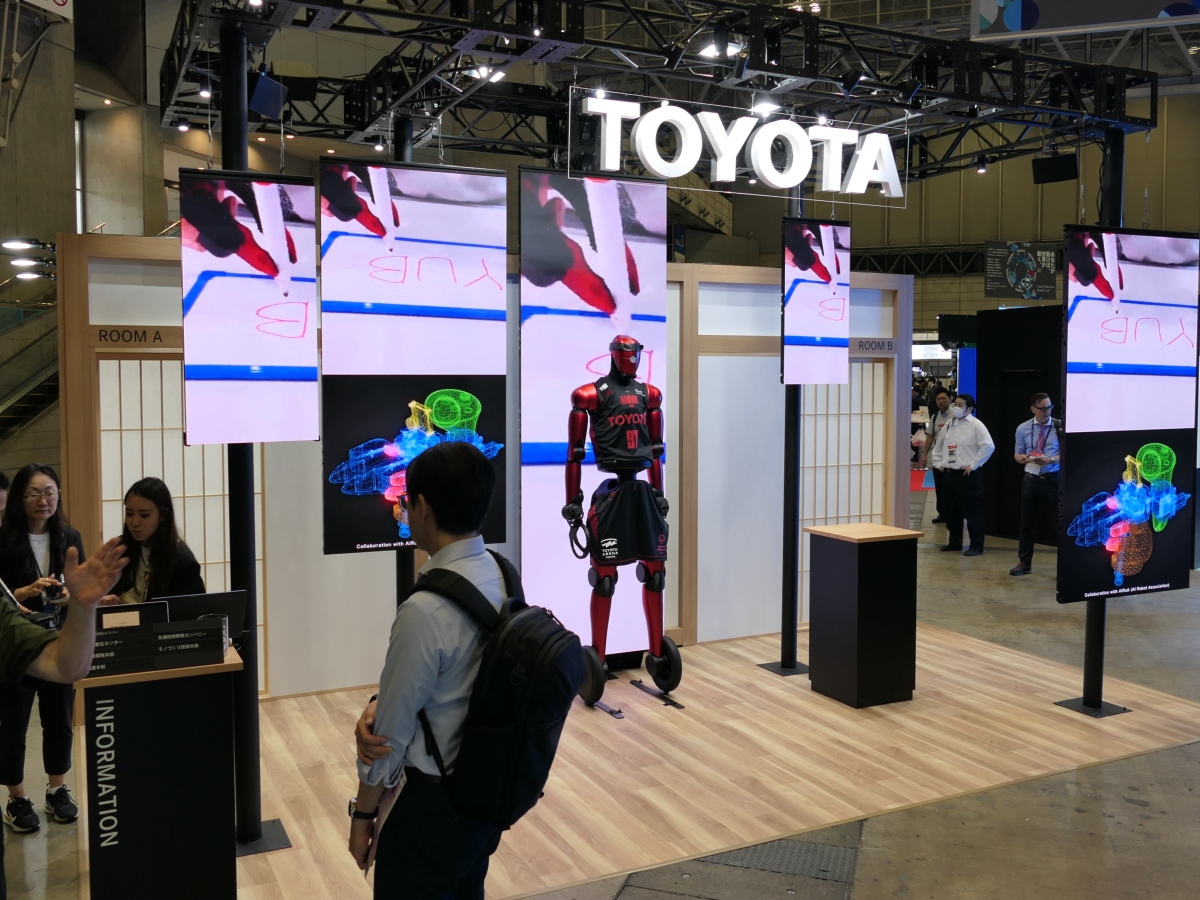
Japan Mobility Show Bizweek 2026 showcased Physical AI applications, including Toyota's basketball-playing rob…
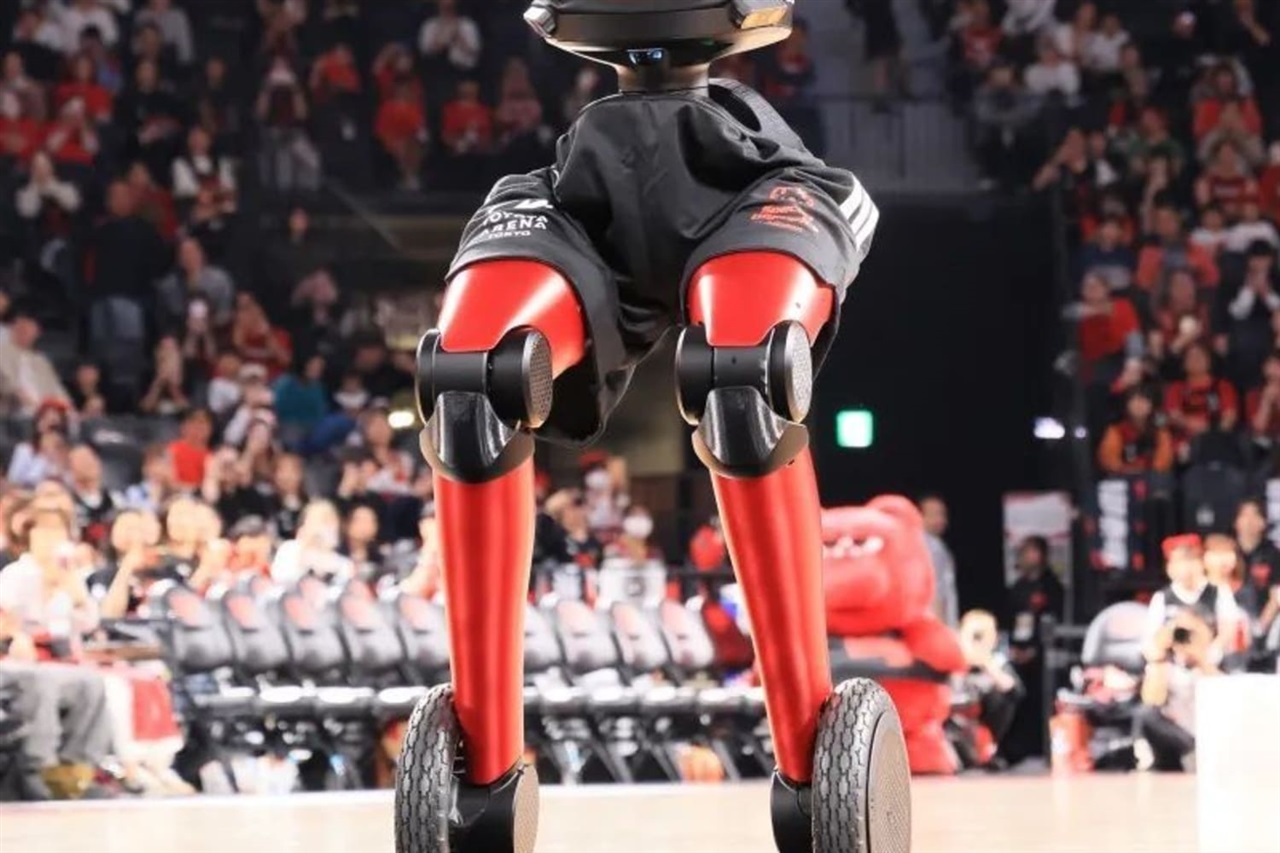
Google pitched Gemini 4 Argon as one model for robot control, simulation and training-data review, saying it s…
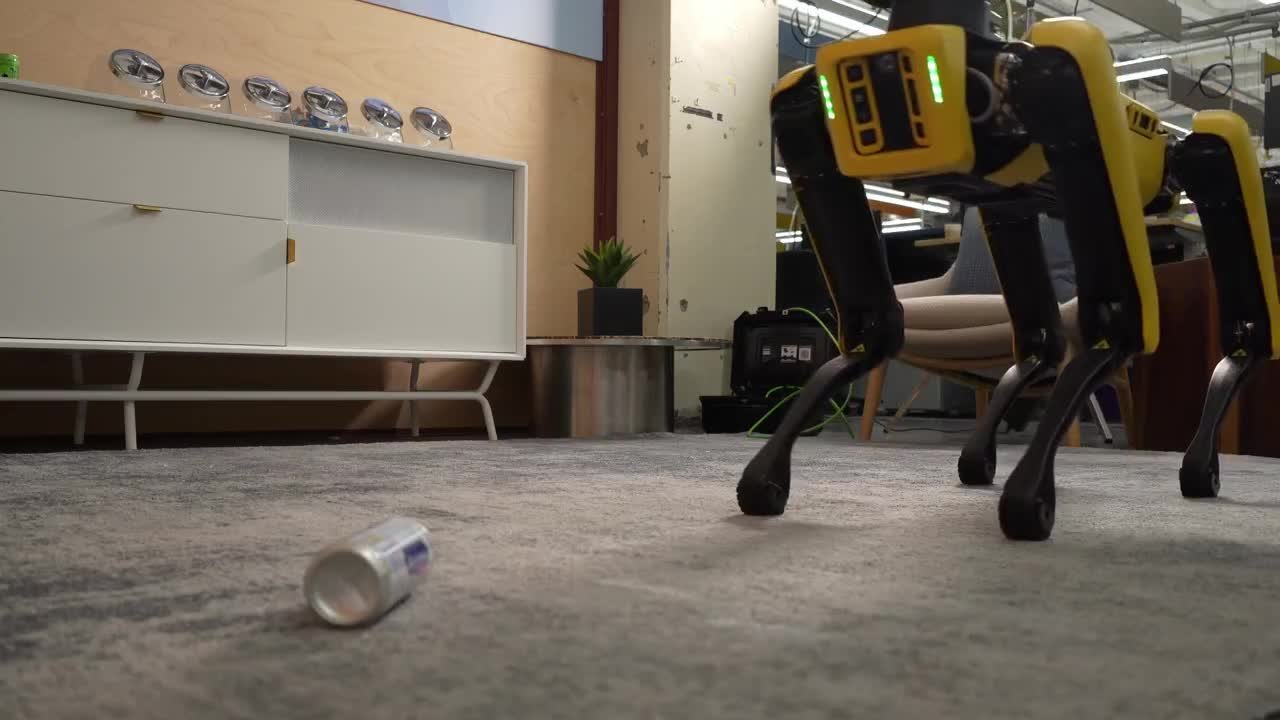
Researcher Sammy Azdoufal discovered Energize Lab's Eiliko robot stores 13 million conversations from 68,000 t…