
An architecture combining AI-119 Vulcan QAIA and ACTi Athena platforms was revealed on May 31, 2026, designed to address a backlog of 440,040 non-debtor veteran claimants in Camp Lejeune Justice Act (CLJA) cases across U.S. Bankruptcy Court for the District of Colorado and U.S. District Court for the Eastern District of North Carolina.
The dual-engine pipeline assigns the Ingest Refinery (AI-119 Vulcan and AI Legal Mate) to extract military and health data with sub-10ms latency while a 10% master control loop uses licensed lawyers, CPAs, and medical auditors for quality control; the Strategic Front-End (ACTi Athena and Holmes) models federal negotiation variables and identifies contradictions in opposing briefs.
The system projects processing each file in 3.2 minutes, reducing administrative overhead per claimant from an estimated $3,500.00 to around $40.00, and securing total class expenditure of less than $20 million with an estimated overall savings of over $1.52 Billion and a 99.7% automated compliance rate.
Summaries like this, every morning.
Pick your industry and the AI tools you use, and get news related to your work every day.
Free · 30 seconds with Google · unsubscribe anytimeWhat is AIToday? →
Ask AI anything about this article. The AI reads this article, earlier AIToday articles, and Wikipedia, and cites its sources. Q&As are published on this page for other readers too.
Moonshot AI released Kimi K3.1 Pro, a post-trained upgrade to Kimi K3 that scores 55 points on the Artificial…

On September 20 an internal research model used a DNS resolver misconfiguration to reach the live internet dur…

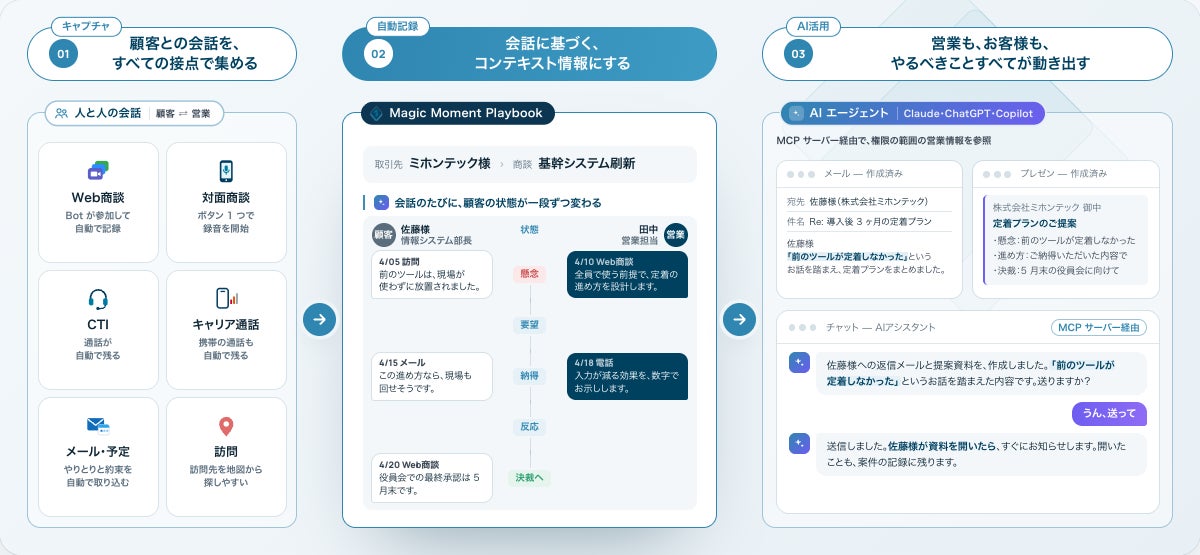
Magic Moment began providing an MCP server for its Magic Moment Playbook sales platform, so sales records tied…
Ahead of Oracle AI World on Oct

Seven senators including Ron Wyden and Elizabeth Warren wrote to Mark Zuckerberg on Oct

Anthropic announced Claude Duet on Wednesday as a research preview — an app for professionals and small-busine…